Selling Your Home in Philadelphia and Warrington: A Strategic Pricing Guide
Learn how to determine the optimal asking price for your residential property in these competitive PA markets.

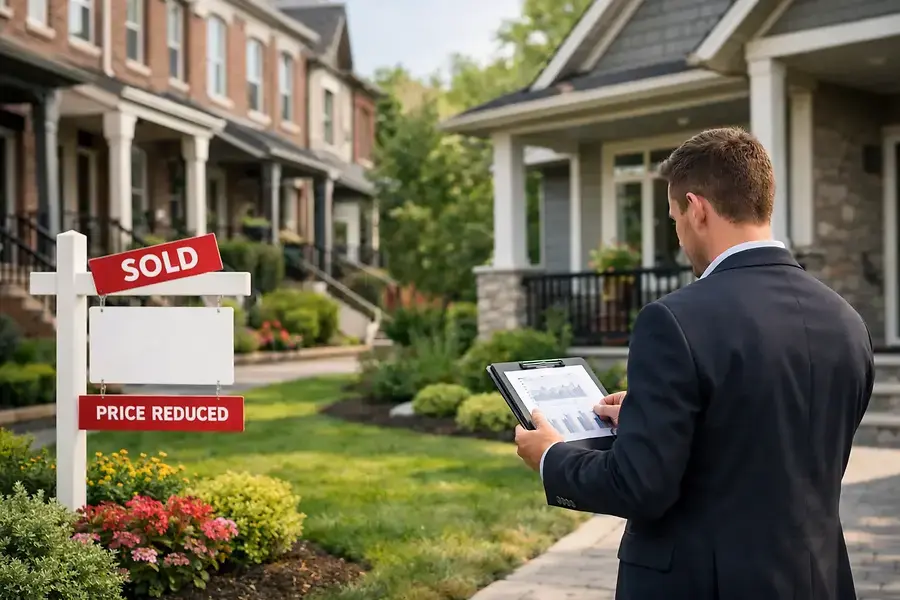
Understanding Current Market Conditions in Philadelphia and Warrington
The Philadelphia and Warrington real estate markets are dynamic and competitive, with distinct characteristics that shape pricing strategies. Philadelphia, as a major metropolitan hub, features diverse neighborhoods ranging from historic row homes to modern condominiums, while Warrington offers suburban appeal with larger properties and family-oriented communities.
Both markets have experienced steady demand from buyers seeking quality properties and strong investment potential. Understanding these local conditions is essential before determining your home's asking price. Market inventory levels, average days on market, and buyer demographics all play crucial roles in establishing competitive pricing.
Key Factors That Influence Home Values in Your Area
Location and Neighborhood Characteristics
Location remains the most significant determinant of home value. Properties near excellent schools, public transportation, shopping centers, and employment hubs command premium prices. In Philadelphia, proximity to Center City, University City, or revitalized neighborhoods like Fishtown significantly impacts value. In Warrington, access to major highways and established residential areas drives pricing.
Property Condition and Age
The physical condition of your home directly affects its market value. Newer homes or recently renovated properties typically attract higher prices than those requiring significant repairs. Consider the following elements:
- Roof condition and age
- HVAC system functionality
- Updated electrical and plumbing systems
- Modern kitchen and bathroom fixtures
- Foundation integrity
Comparable Sales Analysis
Comparable sales (comps) analysis is fundamental to accurate pricing. Review recently sold properties in your neighborhood with similar square footage, age, and condition. This data provides objective benchmarks for your asking price and helps you avoid overpricing or leaving money on the table.
Market Trends and Seasonality
Real estate markets experience seasonal fluctuations. Spring and early summer typically see increased buyer activity, while winter months may feature fewer competing listings. Understanding these patterns helps you time your listing strategically and adjust pricing accordingly.
Pricing Strategies That Attract Serious Buyers
Competitive Pricing Strategy
Pricing your home competitively is crucial for attracting serious buyers quickly. Overpricing can lead to extended listing periods, reduced buyer interest, and eventual price reductions that signal desperation. Conversely, underpricing leaves money on the table. Aim for a price that reflects current market conditions while positioning your property attractively.
The Psychology of Pricing
Buyers respond to psychological pricing tactics. Consider these approaches:
- Just-below pricing: Listing at $449,900 instead of $450,000 creates perceived value
- Anchor pricing: Starting slightly above your target to allow room for negotiation
- Value-based pricing: Emphasizing unique features that justify premium pricing
Strategic Adjustments for Market Conditions
In a buyer's market with high inventory, consider pricing slightly below comparable sales to generate immediate interest. In a seller's market with limited inventory, you may price at or above comps. Monitor market feedback—if your home receives few showings, pricing may need adjustment.
Highlighting Value Propositions
Price alone doesn't sell homes; value does. Emphasize unique features that justify your asking price:
- Recent renovations or upgrades
- Energy-efficient systems and appliances
- Outdoor living spaces and landscaping
- Smart home technology
- Proximity to amenities and transportation
Preparing to List: Setting Yourself Up for Success
Pre-Listing Home Inspection
Conduct a professional home inspection before listing. Identifying issues proactively allows you to address concerns, adjust pricing accordingly, or provide inspection reports to buyers. This transparency builds trust and reduces negotiation friction.
Strategic Home Staging and Presentation
First impressions matter significantly. Invest in professional photography, virtual tours, and home staging to showcase your property's best features. A well-presented home justifies premium pricing and attracts more qualified buyers.
Working with Real Estate Professionals
A knowledgeable real estate agent with local market expertise is invaluable when determining optimal pricing. They provide comparative market analyses, understand neighborhood trends, and can advise on strategic pricing decisions.
Choose an agent familiar with Philadelphia and Warrington markets who can provide data-driven recommendations rather than inflated price suggestions designed to secure your listing.
Timing Your Market Entry
Consider market conditions when listing your home. Research local market trends, inventory levels, and buyer activity. Listing when demand is strong and inventory is limited positions your property for success and supports higher pricing.
Flexibility and Responsiveness
Monitor market response after listing. If your home receives strong interest and multiple offers, your pricing is likely optimal. If showings are sparse or offers are significantly below asking price, be prepared to adjust. Market feedback is valuable data for refining your strategy.
Conclusion: Selling your home successfully in Philadelphia and Warrington requires balancing competitive pricing with strategic positioning. By understanding market conditions, analyzing comparable sales, and implementing proven pricing strategies, you'll attract serious buyers and achieve optimal results. Remember that pricing is not static—remain flexible and responsive to market feedback throughout your selling journey.


