Selling Your Home in Pittsburgh and Monroeville: Market Strategies That Work
Discover proven tactics to maximize your home's value and attract serious buyers in today's competitive residential market.

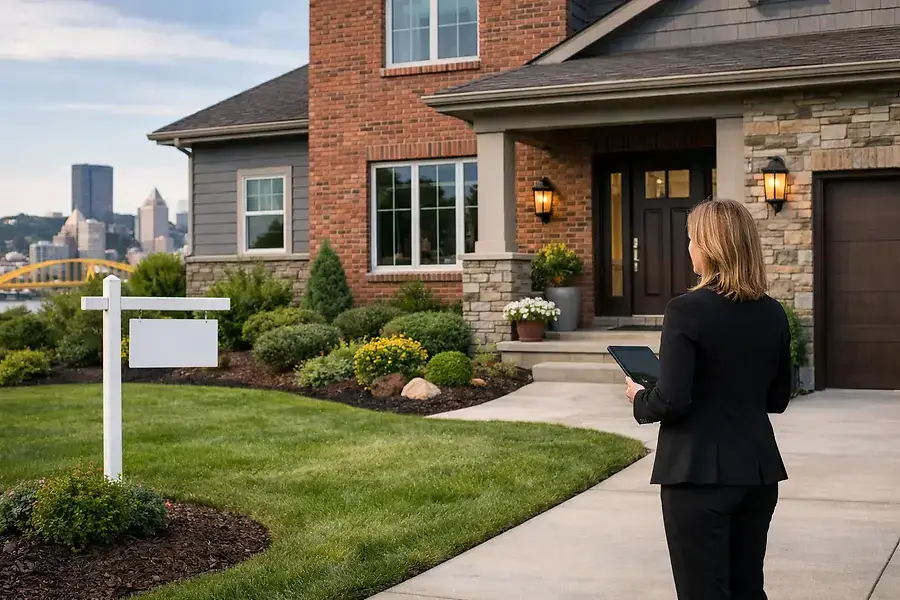
Understanding the Pittsburgh and Monroeville Real Estate Market
The Pittsburgh and Monroeville real estate market presents unique opportunities for home sellers willing to understand local dynamics. Both communities have experienced steady growth, with Monroeville attracting families seeking suburban convenience while Pittsburgh continues to draw young professionals and investors to its revitalized neighborhoods.
Before listing your property, research recent comparable sales in your area. Look at homes similar in size, condition, and location that sold within the last three months. This data provides crucial insight into realistic pricing and buyer expectations. The market in these regions tends to favor well-maintained properties with clear value propositions.
Market Trends and Buyer Preferences
Today's buyers in Pittsburgh and Monroeville prioritize energy efficiency, updated kitchens and bathrooms, and outdoor living spaces. Properties near good schools, public transportation, and shopping centers command premium prices. Understanding these preferences helps you position your home competitively.
Seasonal variations also matter. Spring and early summer typically see increased buyer activity, though serious buyers shop year-round. Pricing strategically during peak seasons can accelerate your sale timeline.
Preparing Your Home for Sale: Staging, Repairs, and Pricing
Essential Repairs and Updates
Before showing your home, address critical repairs that could derail a sale:
- Roof and foundation issues
- Plumbing and electrical problems
- HVAC system functionality
- Broken windows or doors
- Water damage or mold concerns
You don't need a complete renovation, but deferred maintenance sends red flags to buyers and inspectors. Focus on repairs that provide the best return on investment and prevent deal-killing inspection failures.
Strategic Home Staging
Staging transforms how buyers perceive your space. Start with decluttering—remove personal items, excess furniture, and family photos. A spacious, neutral environment allows buyers to envision their own lives in your home.
Key staging priorities include:
- Deep cleaning every surface, including windows and baseboards
- Fresh paint in neutral colors for walls showing wear
- Landscaping and curb appeal improvements
- Lighting enhancements to showcase rooms
- Arranging furniture to highlight room flow and functionality
First impressions matter tremendously. Buyers often decide within seconds whether they want to explore further. Invest in your home's exterior presentation.
Pricing for Success
Overpricing is the primary reason homes sit on the market. Work with a real estate professional to establish a competitive price based on comparable sales, market conditions, and your home's unique features. Consider pricing slightly below market value to generate multiple offers and bidding competition.
Remember:
The right price attracts serious buyers quickly, while an inflated price discourages interest and leads to eventual price reductions that signal weakness to the market.
Marketing Your Property Effectively to Local Buyers
Digital Marketing Strategies
Most home searches begin online. Ensure your listing appears on major platforms including MLS, Zillow, Trulia, and local real estate websites. Professional photography and videography are non-negotiable—invest in high-quality images and virtual tours that showcase your home's best features.
Consider these digital tactics:
- 3D virtual tours and drone photography
- Targeted social media advertising to local buyers
- Email marketing to agents' buyer lists
- Neighborhood-specific landing pages highlighting community amenities
Traditional Marketing and Open Houses
Don't overlook traditional methods. Yard signs, neighborhood flyers, and open houses still generate qualified leads. Host open houses strategically during peak times, typically weekend afternoons. Prepare your home meticulously—fresh flowers, pleasant aromas, and light background music create welcoming atmospheres.
Personal connections matter. Encourage your real estate agent to hold broker open houses and network with other agents who may have qualified buyers.
Highlighting Your Home's Unique Value
Develop a compelling narrative about your property. What makes it special? Perhaps it's the updated kitchen, mature landscaping, proximity to parks, or recent renovations. Create a property fact sheet emphasizing these advantages and distributing it to all potential buyers and agents.
Closing the Deal: Negotiation and Final Steps
Evaluating Offers
When offers arrive, evaluate beyond price alone. Consider earnest money deposits, contingencies, inspection timelines, and closing dates. A lower offer with fewer contingencies might be preferable to a higher offer with extensive conditions.
Work with your real estate agent to counter-offer strategically. Negotiations are normal and expected—don't take them personally. Focus on reaching mutually acceptable terms that allow the transaction to close smoothly.
Inspection and Appraisal Navigation
Expect the buyer's home inspection. Prepare documentation for recent repairs and improvements. If inspection issues arise, decide whether to repair items, offer credits, or renegotiate price. Being reasonable during this phase prevents deals from collapsing.
The appraisal must support the agreed-upon price. If it comes in low, you may need to negotiate further or accept a lower sale price. Appraisals rarely surprise if you've priced realistically from the start.
Final Walkthrough and Closing
Schedule a final walkthrough 24 hours before closing to confirm agreed-upon repairs are complete and the property is in expected condition. Review all closing documents carefully, including the settlement statement, to ensure accuracy.
At closing, you'll sign final paperwork, receive your proceeds, and transfer ownership. Work with a qualified title company or attorney to ensure all documents are properly executed and recorded.
Post-Sale Considerations
After closing, maintain the property until the buyer takes possession. Provide all keys, access codes, and documentation for systems and warranties. A smooth transition builds goodwill and protects you from post-closing disputes.
Selling your home in Pittsburgh and Monroeville successfully requires preparation, strategic pricing, effective marketing, and skilled negotiation. By following these proven strategies and working with experienced professionals, you'll maximize your home's value and attract serious buyers ready to move forward.