Selling Your Home in Portland Metro: Timing, Pricing, and Market Strategies
Master the essential steps to maximize your home's value in Lake Oswego, Beaverton, Gresham, and Portland's competitive real estate market.

Understanding Current Market Conditions in Portland Metro Areas
The Portland metropolitan area—encompassing Lake Oswego, Beaverton, Gresham, and Portland proper—presents a dynamic real estate landscape that demands strategic insight. Before listing your home, it's crucial to understand the current market dynamics that will influence your selling success.
The Portland metro market has experienced significant evolution in recent years. Inventory levels, buyer demand, and price trends vary considerably between neighborhoods and communities. Lake Oswego remains a premium market with strong demand from affluent buyers, while Beaverton attracts young families seeking suburban convenience. Gresham offers value-conscious buyers affordable options, and Portland's urban core continues to appeal to professionals and downsizers.
Key Market Indicators to Monitor
- Days on Market (DOM): How quickly homes are selling in your specific area
- Median Sale Price: The typical price point for comparable properties
- Inventory Levels: Whether it's a buyer's or seller's market
- Price-to-List Ratio: How close homes sell to their asking price
- Seasonal Trends: Market activity patterns throughout the year
Working with a local real estate agent who understands these micro-markets is invaluable. They can provide comparative market analysis (CMA) specific to your neighborhood, giving you data-driven insights for your selling strategy.
Strategic Pricing: How to Position Your Home Competitively
Pricing is perhaps the most critical decision you'll make when selling your home. An overpriced home sits on the market, while an underpriced home leaves money on the table. The goal is finding that sweet spot that attracts qualified buyers while maximizing your return.
Conducting a Thorough Comparative Market Analysis
Begin by analyzing recently sold homes (not just listed homes) that are similar to yours in terms of:
- Square footage and lot size
- Age and condition of the property
- Number of bedrooms and bathrooms
- Location and neighborhood desirability
- Special features (pools, updated kitchens, outdoor spaces)
Look at homes that sold within the last 90 days in your specific area. This data provides the most accurate pricing foundation. Avoid anchoring to list prices—focus on actual sale prices.
Pricing Strategies for Different Market Conditions
In a Seller's Market: You have more flexibility with pricing. Consider pricing slightly above recent comps to test the market's appetite, but remain realistic. Overpricing can deter serious buyers.
In a Buyer's Market: Competitive pricing is essential. Price at or slightly below market value to generate interest and multiple offers. A well-priced home attracts more showings and creates bidding competition.
"The best price is the one that gets your home sold quickly while maximizing your net proceeds. This requires balancing market conditions with your personal timeline."
Marketing and Staging Your Home for Maximum Appeal
In today's digital-first market, how you present your home matters enormously. Most buyers begin their search online, so professional photography, virtual tours, and compelling descriptions are non-negotiable.
Professional Photography and Virtual Presentation
Invest in professional photography and videography. High-quality images significantly impact click-through rates and buyer interest. Consider these elements:
- Professional photos taken in optimal lighting conditions
- Virtual tours or 3D walkthroughs
- Drone photography showcasing the property and neighborhood
- Compelling property descriptions highlighting unique features
Strategic Home Staging
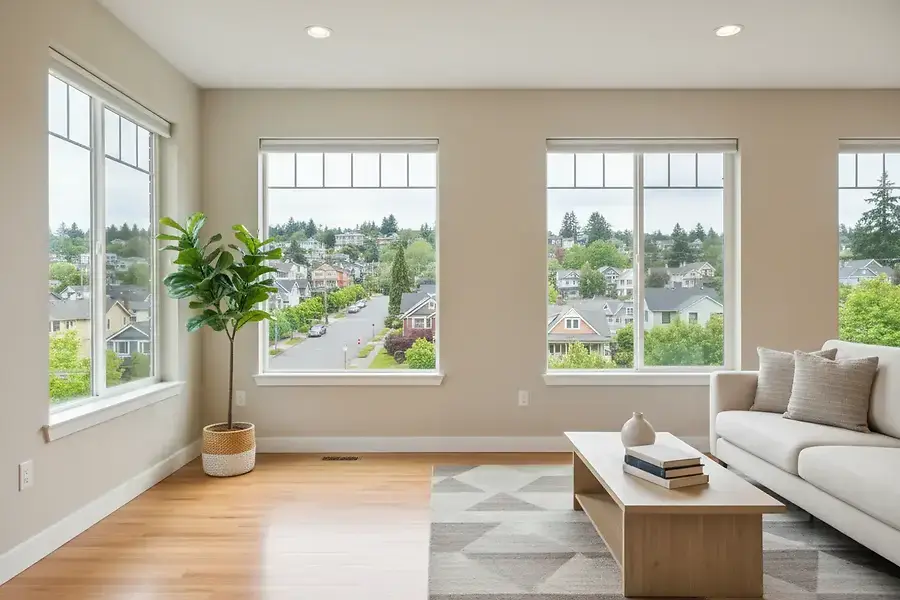
Staging transforms your home into a buyer's dream. It's not about expensive renovations—it's about presenting your space in its best light. Key staging principles include:
- Declutter: Remove personal items, excess furniture, and knick-knacks
- Deep Clean: Every surface should sparkle, from baseboards to ceiling fans
- Neutral Palette: Paint bold walls neutral colors; remove personal artwork
- Curb Appeal: Landscaping, fresh paint, and welcoming entryways matter
- Lighting: Ensure all rooms are well-lit and inviting
- Scent: Fresh, neutral scents create positive impressions
Multi-Channel Marketing Approach
Don't rely on a single marketing channel. Utilize:
- Major real estate portals (MLS, Zillow, Redfin)
- Social media marketing and targeted ads
- Open houses and broker previews
- Direct mail to neighborhood residents
- Your agent's personal network and sphere of influence
Closing the Deal: Negotiation Tactics and Timeline Expectations
Once offers start arriving, the real negotiation begins. Understanding negotiation dynamics and timeline expectations will help you make informed decisions.
Evaluating Offers Strategically
Don't focus solely on price. Consider the complete offer package:
- Earnest Money Deposit: Higher deposits indicate serious buyers
- Contingencies: Inspection, appraisal, and financing contingencies affect your risk
- Closing Timeline: Faster closings may be worth accepting slightly lower offers
- Buyer Qualification: Pre-approval letters demonstrate financial readiness
- Repair Negotiations: Understand what concessions you're willing to make
Negotiation Tactics for Success
When counteroffering, be strategic and professional. Avoid emotional responses to lowball offers. Instead:
- Respond with data-backed counteroffers
- Maintain flexibility on non-price items (closing date, repairs)
- Use your agent's expertise to interpret buyer signals
- Know your walk-away point before negotiations begin
- Consider multiple offers as leverage for better terms
Timeline Expectations from Offer to Closing
A typical Portland metro home sale follows this timeline:
- Offer to Acceptance: 1-3 days
- Inspection Period: 7-10 days
- Appraisal Process: 7-14 days
- Financing Approval: 10-15 days
- Final Walk-Through: 1-2 days before closing
- Closing: 30-45 days from offer acceptance
Closing day is when you receive your proceeds. Ensure all documents are reviewed carefully, and don't hesitate to ask your agent or attorney questions about anything unclear.
Final Thoughts on Your Portland Metro Home Sale
Selling your home in the Portland metro area requires preparation, strategic thinking, and professional guidance. By understanding market conditions, pricing competitively, marketing effectively, and negotiating skillfully, you'll position yourself for a successful sale that maximizes your home's value. Partner with experienced local agents who know Lake Oswego, Beaverton, Gresham, and Portland's unique market dynamics, and you'll navigate this significant transaction with confidence.


