Selling Your Home in South Georgia's Small Towns and Rural Communities
Master the unique strategies and buyer expectations that drive successful home sales in smaller communities from Valdosta to Thomasville.

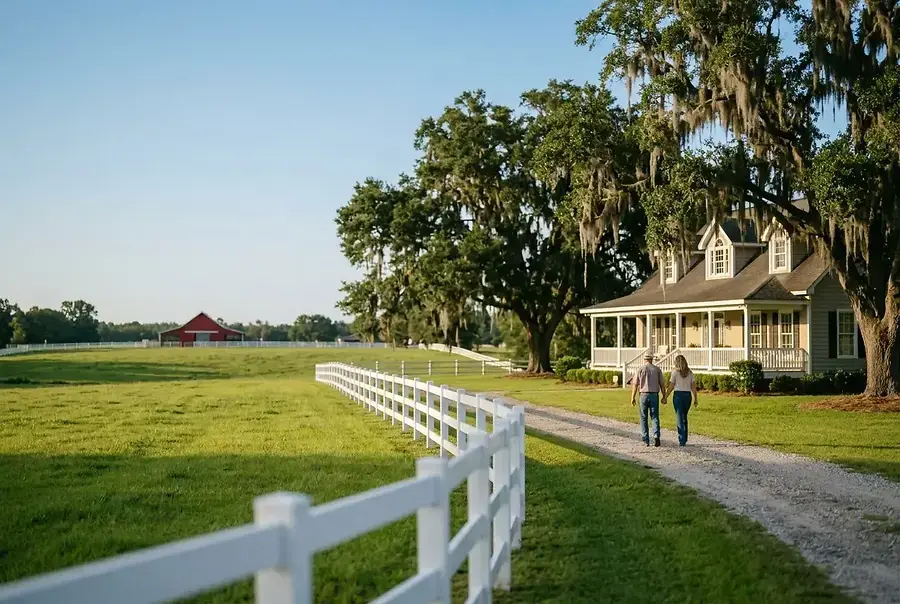
Understanding South Georgia's Rural Residential Market Dynamics
South Georgia's small towns and rural communities present a distinctly different real estate landscape compared to urban centers. From Valdosta to Thomasville, the housing market operates on principles shaped by local economies, community ties, and buyer demographics that differ significantly from metropolitan areas.
The rural South Georgia market is characterized by strong community connections and multi-generational family ties. Many buyers in these areas are either returning to their hometowns or seeking to establish roots in tight-knit communities where they have family or professional connections. Understanding this motivation is crucial to positioning your home effectively.
Key Market Characteristics
- Lower inventory turnover compared to urban markets
- Longer average time on market, requiring patience and strategic planning
- Buyers often prioritize land size, privacy, and agricultural potential
- Strong emphasis on property condition and structural integrity
- Limited buyer pool requires targeted marketing approaches
The seasonal nature of South Georgia's economy also impacts the market. Agricultural cycles, local employment patterns, and school calendars influence when buyers are most active. Spring and early fall typically see increased buyer activity, while winter months may require more aggressive pricing or marketing strategies.
Pricing Strategies That Work in Smaller Communities
Pricing your home correctly is perhaps the most critical factor in rural South Georgia real estate. Unlike larger markets where comparable sales data is abundant, smaller communities require a more nuanced approach to valuation.
Conducting Accurate Comparative Market Analysis
Work with a local real estate agent who understands the specific dynamics of your community. They should analyze recent comparable sales within a 10-15 mile radius, accounting for factors like:
- Land acreage and property boundaries
- Age and condition of structures
- Access to utilities and infrastructure
- Proximity to schools, employment centers, and services
- Unique features like barns, equipment, or agricultural improvements
Pricing for the Rural Market
Avoid overpricing based on emotional attachment to your property. Rural buyers are typically well-informed and understand the true value of land and homes in their area. Overpriced properties languish on the market, creating the impression that something is wrong with the home.
Consider offering competitive pricing from the start. In smaller markets, a well-priced home generates immediate interest and multiple offers, while an overpriced property may never attract serious buyers. The goal is to create urgency and competition among interested parties.
Pro Tip: Factor in the cost of necessary repairs and improvements when setting your price. Rural buyers often expect homes to be in good condition and may not be willing to pay premium prices for properties requiring significant work.
Marketing Your Home to Local and Regional Buyers
Effective marketing in rural South Georgia requires a multi-channel approach that reaches both local buyers and those relocating from other regions.
Leveraging Local Networks
In small communities, word-of-mouth marketing remains incredibly powerful. Inform your real estate agent, neighbors, church community, and local business contacts about your sale. Many rural properties sell through personal connections before they ever appear in formal listings.
- Host open houses and invite community members
- Advertise in local newspapers and community bulletin boards
- Utilize local Facebook groups and community pages
- Contact local employers and organizations that may have relocating employees
Digital Marketing Strategies
While rural communities may seem disconnected from digital trends, online marketing is essential for reaching regional and out-of-state buyers. Ensure your property is listed on major platforms with:
- High-quality photographs showing the home's best features and surrounding land
- Detailed descriptions highlighting unique amenities and property characteristics
- Virtual tours or video walkthroughs for remote buyers
- Accurate mapping and directions for easy property location
- Information about local schools, services, and community attractions
Highlighting Rural Advantages
Market the lifestyle benefits that attract buyers to rural South Georgia: privacy, space, natural beauty, and community character. Emphasize features like acreage, mature trees, water access, or agricultural potential. For hobby farmers or retirees, these elements are often more valuable than modern amenities.
Closing the Sale and Maximizing Your Return
Successfully closing a rural property sale requires attention to unique considerations that differ from urban transactions.
Preparing for Inspections and Appraisals
Rural properties often face more rigorous inspections due to concerns about well water quality, septic systems, electrical infrastructure, and structural integrity. Address any obvious issues before listing and be prepared with documentation of recent repairs or maintenance.
Appraisals in rural areas can be challenging. Provide your appraiser with detailed information about comparable sales, property improvements, and any unique features that add value. This helps ensure the appraised value supports your asking price.
Negotiating Effectively
Rural buyers often expect to negotiate. Be prepared for requests for repairs, price reductions, or seller concessions. Understand your bottom line before negotiations begin, and remain flexible on items that don't significantly impact your return.
Finalizing the Transaction
Work with a real estate attorney familiar with South Georgia property law. Rural transactions may involve unique considerations such as:
- Water rights and easements
- Agricultural exemptions or restrictions
- Boundary disputes or survey requirements
- Utility access and infrastructure agreements
Ensure all documentation is complete and accurate. In smaller communities, reputation matters, and a smooth closing builds goodwill that may benefit you in future dealings.
Final Thoughts
Selling your home in South Georgia's small towns and rural communities requires patience, local knowledge, and a strategic approach tailored to the unique characteristics of your market. By understanding buyer motivations, pricing competitively, marketing effectively, and managing the closing process professionally, you can maximize your return and ensure a successful sale.


