Selling Your Home in the Boston Area: Pricing, Marketing & Strategy
Learn proven strategies to maximize your home's value and attract serious buyers across Greater Boston neighborhoods.

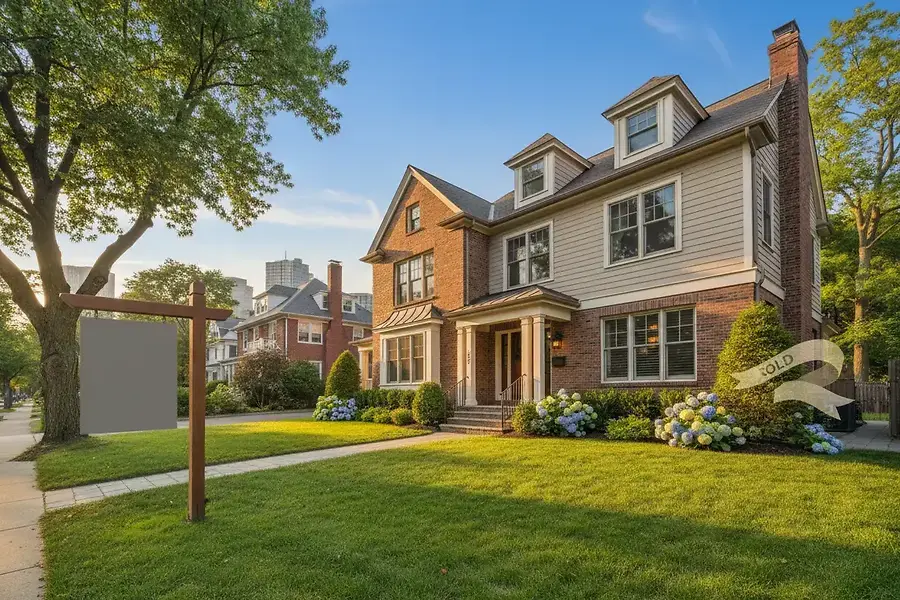
Why Strategic Planning Matters When Selling in Boston's Competitive Market
Selling a home in the Boston area requires more than just listing your property and hoping for the best. The Greater Boston real estate market is dynamic, competitive, and filled with savvy buyers who know what they want. Whether you're selling a historic brownstone in Back Bay, a suburban home in Newton, or a waterfront property in Cambridge, success depends on having a well-thought-out strategy that addresses pricing, marketing, and timing.
The stakes are high, and the margin for error is small. A mispriced home can sit on the market for months, while a poorly marketed property might never reach its target audience. This is why strategic planning isn't just helpful—it's essential. By understanding the nuances of the Boston market and implementing proven tactics, you can position your home to attract serious buyers and achieve your financial goals.
Pricing Your Home Right, Marketing Effectively, and Timing Your Sale for Success
Getting the Price Right
Pricing is the foundation of a successful sale. Set your price too high, and you'll discourage potential buyers and face a lengthy listing period. Price too low, and you'll leave money on the table. The key is finding the sweet spot based on current market conditions, comparable sales, and your home's unique features.
Start by conducting a thorough comparative market analysis (CMA). Look at recently sold homes in your neighborhood with similar square footage, condition, and amenities. Pay attention to days on market and final sale prices compared to listing prices. This data provides crucial insights into buyer expectations and market trends.
Consider these pricing factors:
- Location and neighborhood desirability – Proximity to public transportation, schools, and amenities significantly impacts value
- Home condition and age – Recent renovations and updates command premium prices
- Market conditions – Is it a buyer's market or seller's market? Adjust accordingly
- Seasonal trends – Spring typically sees more buyer activity than winter
- Unique features – Hardwood floors, fireplaces, and outdoor space add value
Marketing That Reaches the Right Buyers
Once you've priced your home competitively, effective marketing ensures it reaches qualified buyers. In today's digital-first world, most home searches begin online, making your online presence critical.
Professional photography and virtual tours are non-negotiable. High-quality images showcase your home's best features, while 3D virtual tours allow buyers to explore at their own pace. These tools are especially valuable for out-of-state buyers relocating to the Boston area.
Leverage multiple marketing channels:
- Major real estate portals (Zillow, Realtor.com, Redfin)
- Social media platforms (Facebook, Instagram, LinkedIn)
- Email marketing to your agent's buyer database
- Open houses and private showings
- Neighborhood-specific marketing for local appeal
Pro tip: Highlight what makes your home special. Are you near the Freedom Trail? Do you have a renovated kitchen? Is your yard perfect for entertaining? Tell your home's story in a way that resonates with potential buyers.
Timing Your Sale for Maximum Impact
Timing can make or break your sale. While spring is traditionally the busiest season, selling during slower periods can mean less competition. However, fewer buyers are also looking during winter months.
Consider your personal circumstances, local market conditions, and your home's appeal when deciding when to list. A home with strong curb appeal and seasonal features might thrive in spring, while a cozy home with fireplaces could attract buyers in fall and winter.
Understanding Buyer Preferences Across Different Boston-Area Neighborhoods and Communities
Urban Neighborhoods: Back Bay, Beacon Hill, and Downtown Boston
Buyers in urban Boston neighborhoods prioritize walkability, proximity to restaurants and culture, and public transportation access. These buyers often value historic charm, exposed brick, and original hardwood floors. They're typically young professionals or empty nesters who want vibrant city living without the commute.
Marketing strategy: Emphasize walkability scores, nearby dining and entertainment, and public transit connections. Highlight architectural details and neighborhood character.
Suburban Communities: Newton, Wellesley, and Brookline
Suburban buyers prioritize excellent schools, family-friendly amenities, and space. They want yards for children and pets, updated kitchens and bathrooms, and modern conveniences. These buyers are often families seeking a balance between suburban comfort and urban accessibility.
Marketing strategy: Showcase school ratings, outdoor space, and family-friendly features. Highlight recent renovations and modern updates that appeal to families.
Waterfront and Scenic Communities: Cambridge, Somerville, and Watertown
Buyers in these areas value proximity to water, parks, and cultural institutions. They appreciate walkable neighborhoods with local character, independent shops, and community events. These buyers span diverse demographics but share a desire for vibrant, connected communities.
Marketing strategy: Feature views, outdoor recreation opportunities, and neighborhood culture. Highlight proximity to universities, cultural venues, and local businesses.
Key Buyer Preferences Across All Markets
Regardless of neighborhood, today's Boston-area buyers consistently value:
- Energy efficiency – Updated HVAC systems, insulation, and windows reduce utility costs
- Open floor plans – Modern layouts with flowing spaces appeal to contemporary lifestyles
- Updated kitchens and bathrooms – These rooms significantly impact perceived value
- Parking solutions – Especially critical in urban and suburban areas
- Smart home features – Security systems, smart thermostats, and automation appeal to tech-savvy buyers
- Outdoor space – Patios, decks, and yards are highly desirable
Taking Action to Sell Your Home with Confidence
Selling your Boston-area home successfully requires a combination of smart pricing, strategic marketing, and understanding your target buyers. Here's your action plan:
Step 1: Prepare your home. Make necessary repairs, declutter, and stage your space to appeal to buyers. First impressions matter.
Step 2: Get a professional valuation. Work with a qualified real estate agent to conduct a thorough CMA and price competitively.
Step 3: Invest in professional marketing. Quality photography, virtual tours, and multi-channel promotion are worth the investment.
Step 4: Know your market. Understand your neighborhood's buyer demographics and tailor your marketing accordingly.
Step 5: Be flexible and responsive. Show your home promptly, be open to feedback, and adjust your strategy if needed.
The Boston real estate market rewards preparation, strategy, and execution. By following these proven approaches, you'll position your home to attract serious buyers and achieve the best possible outcome. Don't leave your home's sale to chance—take control with a strategic plan today.