Selling Your Home in the DFW Suburbs: Pricing Strategies That Win
Master the art of competitive pricing to sell faster and for top dollar in today's DFW real estate market.

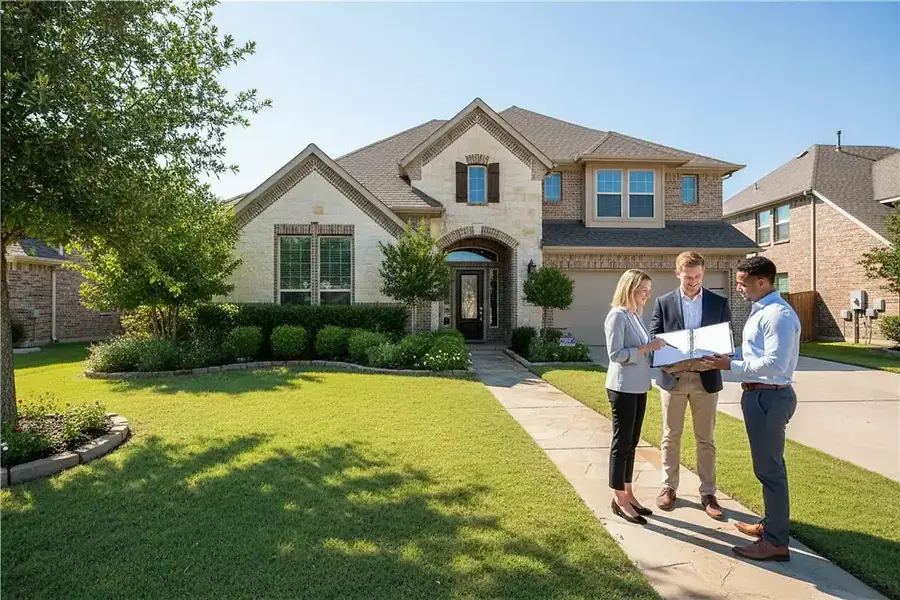
Understanding Current Market Conditions in Dallas-Fort Worth Suburbs
The Dallas-Fort Worth suburban real estate market continues to evolve with unique dynamics that set it apart from other regions. As a seller, understanding these market conditions is crucial to positioning your home competitively and achieving your financial goals.
The DFW suburbs have experienced steady growth driven by factors including population migration, job creation, and affordable housing compared to major metropolitan centers. This influx of buyers creates opportunities, but it also means increased competition among sellers. The market has shifted toward a more balanced environment where pricing accuracy directly impacts how quickly your home sells and at what price.
Current buyer behavior in the suburbs reflects a preference for value and quality. Buyers are more informed than ever, conducting extensive research before making offers. They understand market trends and won't overpay for properties. This reality underscores the importance of strategic pricing from day one.
Key Market Factors Affecting Your Home's Value
Several factors influence pricing in DFW suburbs:
- Location and School Districts: Properties in highly-rated school districts command premium prices
- Inventory Levels: Lower inventory typically supports higher prices, while oversupply may require more competitive pricing
- Days on Market: Homes priced correctly sell faster, while overpriced homes languish and lose buyer interest
- Property Condition: Well-maintained homes justify higher asking prices
- Local Amenities: Proximity to parks, shopping, and entertainment adds value
Comparative Market Analysis: Setting the Right Price for Your Property
A Comparative Market Analysis (CMA) is your foundation for pricing success. This analysis examines recently sold properties similar to yours, helping you determine a realistic and competitive asking price.
How to Conduct an Effective CMA
Start by identifying comparable properties in your neighborhood that have sold within the last 90 days. Look for homes with similar:
- Square footage (within 10-15% of your home's size)
- Age and construction quality
- Number of bedrooms and bathrooms
- Lot size and condition
- Special features and upgrades
Analyze the price per square foot of these comparable sales. This metric provides a baseline for your home's value. If your home has unique features—such as a pool, updated kitchen, or smart home technology—adjust accordingly. Conversely, if your property needs repairs or updates, factor in those costs.
Avoiding Common Pricing Mistakes
Overpricing is the most common mistake sellers make. While it's tempting to list high hoping for negotiation room, overpriced homes generate fewer showings, fewer offers, and ultimately sell for less than properly priced homes. Buyers and their agents quickly identify overpriced properties and move on.
Underpricing leaves money on the table. While it may generate quick offers, you're sacrificing potential profit. Strike the right balance by pricing at market value or slightly below to generate competitive bidding.
Strategic Pricing Tactics to Attract Qualified Buyers Quickly
Beyond setting an initial price, strategic tactics can accelerate your sale and maximize returns.
The Power of Psychological Pricing
Consider pricing your home at $449,900 instead of $450,000. This psychological pricing strategy makes your home appear more affordable while attracting more buyer searches. Buyers often search within specific price ranges, and strategic pricing ensures your home appears in more searches.
Price Positioning Strategy
Position your home competitively within the market. If comparable homes are selling at $400,000-$420,000, pricing at $415,000 positions you in the middle of the market, attracting serious buyers. This approach generates more showings and increases the likelihood of multiple offers.
The "Price to Sell" Approach
In competitive markets, pricing slightly below market value can trigger bidding wars. When buyers perceive value, they're more likely to make offers, and multiple offers drive prices up. This counterintuitive strategy often results in higher final sale prices than aggressive initial pricing.
Seasonal Pricing Adjustments
Market conditions fluctuate throughout the year. During peak selling seasons, you may command higher prices. During slower periods, strategic pricing becomes even more critical. Work with your real estate agent to adjust pricing based on seasonal trends and current market inventory.
Highlighting Value Through Pricing
Your price communicates value to buyers. A well-priced home suggests the seller understands the market and is serious about selling. This builds buyer confidence and encourages serious offers. Conversely, an overpriced home raises red flags about the seller's expectations.
"The right price at the right time is the most powerful marketing tool in real estate. It generates showings, creates competition, and ultimately maximizes your profit."
Monitoring and Adjusting Your Price
Your pricing strategy shouldn't be static. Monitor your home's performance:
- Track the number of showings and buyer feedback
- Monitor how long your home has been on the market
- Compare your home's performance to similar properties
- Be prepared to adjust if the market shifts or your home isn't generating expected interest
If your home isn't selling after 30 days, it may be overpriced. A strategic price reduction can reignite buyer interest and generate new showings. Many buyers search for "new listings," so a price reduction can position your home as fresh inventory.
Conclusion: Maximizing Your Home's Sale Potential
Selling your home in the DFW suburbs requires a strategic approach to pricing. Success depends on understanding current market conditions, conducting thorough comparative market analysis, and implementing proven pricing tactics.
Remember these key takeaways:
- Price based on data, not emotion or wishful thinking
- Conduct a comprehensive CMA to establish market value
- Use psychological pricing to attract more buyers
- Position your home competitively within the market
- Monitor performance and adjust when necessary
- Work with an experienced real estate agent who understands local market dynamics
The DFW suburban market offers excellent opportunities for sellers who approach pricing strategically. By mastering these pricing strategies, you'll attract qualified buyers, generate competitive offers, and maximize your home's sale potential. Your pricing decision today directly impacts your financial outcome tomorrow—make it count.


