Selling Your Home in the Triangle: Pricing Strategies That Work
Master the local market dynamics of Siler City, Durham, Raleigh, and Pittsboro to attract qualified buyers and maximize your home's sale price.

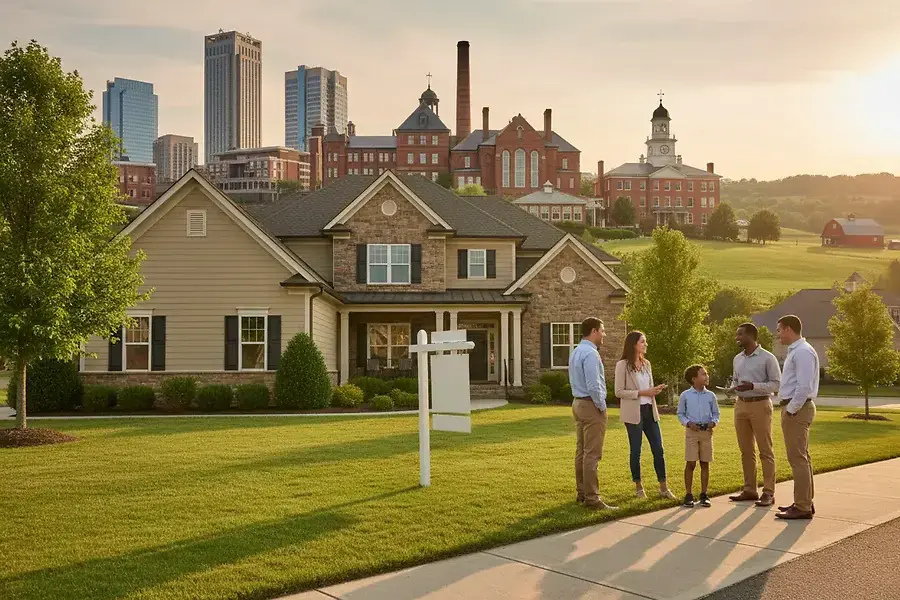
Introduction: Understanding the Triangle's Diverse Real Estate Market
The Research Triangle region—encompassing Raleigh, Durham, Pittsboro, and Siler City—represents one of North Carolina's most dynamic and competitive real estate markets. Each community within the Triangle possesses unique characteristics, buyer demographics, and market conditions that directly impact home pricing and sales strategies. Whether you're selling a tech-forward urban condo in downtown Raleigh, a family home in Durham's established neighborhoods, a rural property in Pittsboro, or a countryside estate in Siler City, understanding your specific market is essential to achieving your home sale goals.
The key to successful home selling in the Triangle isn't simply listing at a high price and hoping for the best. Instead, it requires a strategic approach grounded in local market knowledge, competitive positioning, and targeted marketing that speaks to your community's specific buyer base.
Comparative Market Analysis: How to Price Your Home Competitively Across Each Community
What is Comparative Market Analysis?
A Comparative Market Analysis (CMA) is the foundation of intelligent pricing. This analysis examines recently sold properties similar to yours—comparable in size, condition, location, and amenities—to determine a realistic market value. Rather than relying on gut instinct or national averages, a CMA provides data-driven insights specific to your neighborhood.
Raleigh: The Urban Growth Hub
Raleigh's market reflects rapid urban expansion and strong demand from tech professionals and young families. Properties in desirable neighborhoods like North Hills, Ridgetop, and downtown areas command premium prices. When pricing your Raleigh home, consider:
- Proximity to employment centers: Homes near major tech companies and research institutions appreciate faster
- School district ratings: Top-rated schools significantly influence buyer interest and pricing power
- Walkability and amenities: Urban convenience features justify higher price points
- Recent comparable sales: Look at homes sold within the last 30-60 days in your specific neighborhood
Durham: The Revitalized Community
Durham's market showcases the appeal of historic charm combined with modern revitalization. Neighborhoods like Trinity Park, Old West Durham, and the American Tobacco Campus attract buyers seeking character and community. Pricing considerations for Durham include:
- Historic home premiums: Well-maintained period properties often command higher prices
- Walkable neighborhoods: Properties near downtown Durham's restaurants and entertainment venues are highly sought
- University proximity: Homes near Duke University appeal to faculty, staff, and graduate students
- Renovation quality: Modern updates to historic homes significantly boost market value
Pittsboro: The Charming Small Town
Pittsboro attracts buyers seeking small-town living with convenient access to larger urban centers. The market here emphasizes land, privacy, and community character. Key pricing factors include:
- Lot size and privacy: Larger properties with privacy command premium prices
- Distance to amenities: Proximity to downtown Pittsboro's shops and restaurants adds value
- Land quality: Agricultural potential or development possibilities influence pricing
- Community reputation: Established neighborhoods with strong community ties maintain stable values
Siler City: The Rural Opportunity
Siler City's market appeals to buyers seeking rural living, agricultural properties, and investment opportunities. Pricing strategies here focus on land value and development potential:
- Acreage and land use: Larger properties with agricultural or development potential command higher prices
- Access and infrastructure: Properties with good road access and utilities are more valuable
- Investment potential: Land suitable for development or farming attracts investor interest
- Seasonal market variations: Rural markets may show different seasonal patterns than urban areas
The CMA Process
To conduct an effective CMA, gather data on at least 3-5 comparable properties that sold recently in your area. Adjust for differences in condition, age, square footage, and special features. Work with a local real estate professional who has access to comprehensive market data and understands your specific neighborhood's nuances.
Marketing Strategies: Positioning Your Property for Success in Your Specific Neighborhood
Know Your Buyer Profile
Each Triangle community attracts different buyer demographics. Tailor your marketing message to resonate with your target audience:
- Raleigh: Tech professionals, young families, and corporate relocations—emphasize modern amenities, connectivity, and convenience
- Durham: Professionals, academics, and lifestyle-focused buyers—highlight character, community, and cultural attractions
- Pittsboro: Families seeking balance, retirees, and small-business owners—showcase community spirit and quality of life
- Siler City: Rural enthusiasts, investors, and agricultural buyers—emphasize land potential and peaceful living
Leverage Digital Marketing
In today's market, most buyers begin their search online. Ensure your property stands out through:
- Professional photography and virtual tours showcasing your home's best features
- Targeted social media advertising reaching buyers in your specific community
- Detailed online listings highlighting neighborhood amenities and lifestyle benefits
- Local SEO strategies that connect your property with buyers searching in your area
Highlight Community-Specific Features
Your marketing should emphasize what makes your neighborhood special. In Raleigh, highlight tech parks and urban lifestyle. In Durham, showcase historic character and cultural venues. In Pittsboro, emphasize community events and small-town charm. In Siler City, focus on land, privacy, and rural appeal.
Price Strategically for Your Market
Pricing is marketing. A well-priced home attracts more qualified buyers, generates more showings, and typically sells faster and for more money than an overpriced property. Consider pricing slightly below market value to generate buyer interest and competition—this often results in a higher final sale price than aggressive pricing.
Conclusion: Taking Action to Achieve Your Home Sale Goals
Selling your home in the Triangle requires more than just listing it for sale. Success comes from understanding your specific market, pricing competitively based on solid data, and marketing strategically to the right buyers. Whether you're in Raleigh's bustling urban environment, Durham's revitalized neighborhoods, Pittsboro's charming downtown, or Siler City's rural landscape, these principles apply.
Start by conducting a thorough Comparative Market Analysis with a local real estate professional. Understand your buyer profile and craft marketing messages that resonate with them. Price your home strategically to attract qualified buyers and generate momentum in the market. With the right approach, you'll maximize your home's value and achieve your sale goals in the Triangle's diverse and dynamic real estate market.


