Selling Your Home in the Twin Cities: Strategy to Maximize Value
Master the local market dynamics of Minneapolis, St. Paul, and surrounding suburbs to maximize your home's sale price and timeline.

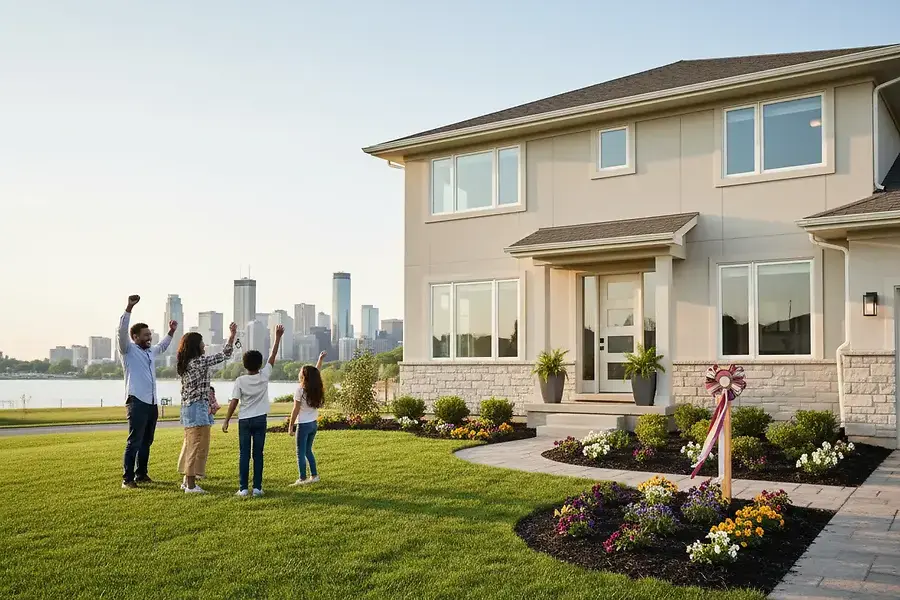
Understanding the Twin Cities Real Estate Market: Key Trends and Buyer Behavior
The Twin Cities real estate market is dynamic and competitive, shaped by strong economic fundamentals, population growth, and diverse buyer preferences. To maximize your home's value, you must first understand what drives this market.
Current Market Dynamics
Minneapolis and St. Paul have experienced steady appreciation over the past several years, with suburban markets like Edina, Bloomington, and Wayzata showing particularly strong demand. The region attracts young professionals, families, and retirees seeking quality of life, excellent schools, and vibrant communities.
Key market factors include:
- Inventory levels: The Twin Cities market experiences seasonal fluctuations, with spring and early summer typically offering more buyer activity
- Interest rates: Mortgage rates significantly impact buyer purchasing power and market competitiveness
- Neighborhood desirability: Proximity to employment centers, schools, parks, and amenities directly influences property values
- Home age and condition: Newer homes and well-maintained properties command premium prices
Understanding Your Buyer
Twin Cities buyers are increasingly sophisticated and well-informed. They research neighborhoods extensively, compare properties online, and expect homes to be move-in ready. First impressions matter enormously—most buyers decide within minutes whether a property warrants serious consideration.
Preparing Your Home for Sale: Essential Upgrades and Staging Strategies
Preparation is where you establish your home's competitive advantage. Strategic improvements and professional presentation can significantly impact both sale price and speed of sale.
High-Impact Upgrades
Not all upgrades deliver equal returns. Focus on improvements that appeal to Twin Cities buyers:
- Kitchen modernization: Updated appliances, countertops, and lighting are essential—kitchens are deal-makers or deal-breakers
- Bathroom updates: Fresh fixtures, tile work, and lighting create an impression of cleanliness and modernity
- Exterior appeal: New roofing, siding, landscaping, and a well-maintained driveway set the tone immediately
- HVAC and systems: Buyers want assurance that mechanical systems are reliable and efficient
- Fresh paint: Neutral colors throughout create a blank canvas for buyer imagination
Staging for Success
Staging is not about decoration—it's about helping buyers envision themselves living in your home. Professional staging can increase perceived value by 5-10% and reduce time on market.
Essential staging strategies:
- Declutter ruthlessly—remove personal items, excess furniture, and family photos
- Depersonalize spaces to help buyers imagine their own lives in the home
- Enhance curb appeal with fresh landscaping, clean windows, and an inviting entrance
- Create defined spaces—show how rooms function rather than how you use them
- Ensure proper lighting throughout, including outdoor lighting for evening showings
Pricing Your Home Competitively: Data-Driven Approach for Minneapolis-St. Paul Area
Pricing is the most critical decision in your selling strategy. Overpricing leads to extended market time and eventual price reductions; underpricing leaves money on the table.
Comparative Market Analysis
Work with a knowledgeable Twin Cities real estate agent to conduct a thorough Comparative Market Analysis (CMA). This analysis examines:
- Recently sold homes in your neighborhood with similar characteristics
- Currently listed homes competing for the same buyer pool
- Homes that didn't sell and why they failed
- Price per square foot trends in your specific area
- Days on market for comparable properties
Market Positioning Strategy
The right price attracts multiple offers and creates urgency among buyers. Underpricing by even 2-3% can generate significantly more interest and competitive bidding.
Consider these pricing strategies:
- Competitive pricing: Price at or slightly below market value to generate immediate interest and multiple offers
- Neighborhood premium: Desirable Twin Cities neighborhoods command higher per-square-foot prices
- Condition adjustment: Newly updated homes justify premium pricing; homes needing work require strategic discounting
- Seasonal factors: Spring typically commands higher prices than fall or winter
Closing the Deal: Negotiation Tips and What to Expect at the Finish Line
Once you have an offer, the real negotiation begins. This phase requires strategy, patience, and clear communication about your priorities.
Negotiation Essentials
Successful negotiations balance maximizing price with ensuring deal certainty. Key negotiation points include:
- Purchase price: The obvious starting point, but not the only factor
- Contingencies: Inspection, appraisal, and financing contingencies protect buyers but create uncertainty for sellers
- Closing timeline: Faster closings may justify accepting slightly lower offers
- Repairs and credits: Negotiate whether you'll make repairs or provide credits for buyer-requested work
- Earnest money: Higher earnest money deposits indicate serious buyers
The Final Steps
Once you've accepted an offer, prepare for the closing process. Expect 30-45 days from accepted offer to closing in the Twin Cities market. During this period:
- The buyer completes inspections and appraisals
- Your agent coordinates with the buyer's agent and title company
- You'll receive a final walkthrough request before closing
- Review all closing documents carefully with your real estate attorney or agent
- Prepare for final utility readings and property transfer logistics
Maximizing Your Bottom Line
Remember that the final sale price isn't your net proceeds. Factor in real estate commissions, closing costs, property taxes, and any concessions you've made. A skilled agent helps you navigate these costs and negotiate terms that protect your financial interests.
By understanding the Twin Cities market, preparing your home strategically, pricing competitively, and negotiating skillfully, you'll position yourself to achieve the best possible outcome when selling your home.


