Selling Your Home in West Metro Atlanta: Pricing Strategies That Work
Discover proven pricing tactics to sell faster and for top dollar in competitive West Metro Atlanta markets.

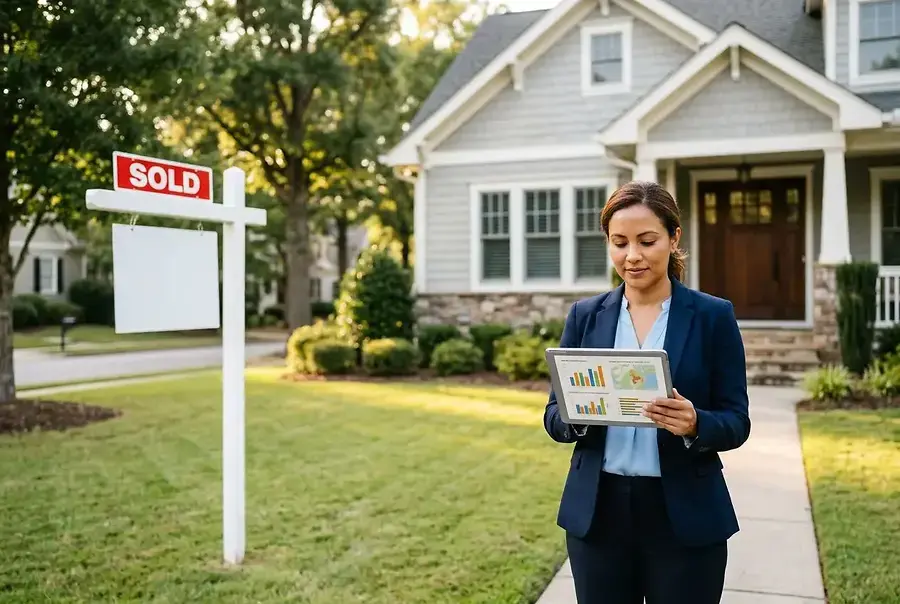
Understanding the Current West Metro Atlanta Real Estate Market
The West Metro Atlanta real estate market remains one of the most dynamic and competitive regions in Georgia. With steady population growth, excellent schools, and convenient access to major employment centers, this area continues to attract both homebuyers and investors. Understanding the current market conditions is the first critical step in developing an effective pricing strategy for your home.
The market has evolved significantly, with inventory levels fluctuating based on seasonal trends and economic factors. Buyers in this region are increasingly sophisticated, conducting thorough research before making offers. They understand market values, comparable properties, and fair pricing. This means that overpricing your home can result in extended time on the market, while underpricing leaves money on the table.
Market Trends Affecting Your Sale
Several key factors influence pricing decisions in West Metro Atlanta:
- Neighborhood Desirability: Proximity to top-rated schools, parks, and shopping centers significantly impacts property values
- Inventory Levels: Lower inventory typically favors sellers, while higher inventory requires more competitive pricing
- Interest Rates: Mortgage rates directly affect buyer purchasing power and market demand
- Economic Growth: Job creation and corporate relocations continue to drive demand in the region
Comparative Market Analysis: Finding Your Home's Sweet Spot
A Comparative Market Analysis (CMA) is your most powerful tool for determining the optimal listing price. This analysis examines recently sold properties, active listings, and expired listings in your area to establish a realistic price range for your home.
Conducting an Effective CMA
Start by identifying comparable properties—homes similar in size, age, condition, and location to yours. Look for properties that sold within the last 90 days, as these provide the most accurate reflection of current market conditions. Consider these factors when comparing:
- Square footage and lot size
- Number of bedrooms and bathrooms
- Age and condition of the property
- Special features (pools, updated kitchens, smart home technology)
- Proximity to schools, shopping, and transportation
Adjusting for Differences
No two homes are identical. When comparing properties, make adjustments for significant differences. For example, if a comparable home sold for $450,000 but has an updated kitchen while yours doesn't, you might adjust downward by $15,000-$25,000. Conversely, if your home has a desirable feature the comparable lacks, adjust upward accordingly.
Pro Tip: Work with a knowledgeable real estate agent who has access to detailed market data and can provide professional insights into fair market value for your specific property.
Strategic Pricing to Attract Serious Buyers
Once you've established your home's market value, strategic pricing becomes essential. The goal isn't simply to list at the highest possible price—it's to price strategically to generate buyer interest, create competition, and ultimately achieve the best possible outcome.
The Psychology of Pricing
Pricing psychology plays a significant role in buyer behavior. A home priced at $449,900 appears substantially different to buyers than one priced at $465,000, even if the difference is minimal. Strategic pricing at or slightly below market value can generate multiple offers, creating a competitive bidding situation that often results in a final sale price exceeding the original asking price.
Avoiding Common Pricing Mistakes
Overpricing: This is the most common mistake sellers make. Overpriced homes sit on the market longer, develop a stale listing reputation, and ultimately sell for less than properly priced homes. Buyers notice when a property has been listed for extended periods.
Underpricing: While this might seem to guarantee a quick sale, you're leaving significant money on the table. In a competitive market, proper pricing generates multiple offers and bidding wars that drive prices up.
Ignoring Market Conditions: Pricing strategies must adapt to current market conditions. What worked six months ago may not work today. Stay informed about recent sales and market trends.
Pricing for Quick Sales
If you need to sell quickly, consider pricing at the lower end of your market value range. This aggressive pricing strategy attracts more buyers and increases the likelihood of receiving multiple offers. The competitive environment often results in a final sale price closer to true market value.
Preparing Your Home for Maximum Appraisal Value
Your pricing strategy is only effective if your home's condition supports the asking price. Buyers and appraisers will evaluate whether your home justifies the price you're asking.
Essential Preparations
Focus on improvements that provide the best return on investment:
- Curb Appeal: Fresh landscaping, new paint, and clean exterior create an immediate positive impression
- Kitchen Updates: Modern appliances and updated countertops significantly impact perceived value
- Bathroom Renovations: Updated bathrooms are a major selling point for buyers
- Fresh Paint: Neutral colors make spaces feel larger and more appealing
- Flooring: Clean, well-maintained flooring is essential; consider refinishing hardwood or replacing worn carpet
The Appraisal Connection
Remember that your listing price must align with what an appraiser will determine as the home's value. If you price too high relative to the home's condition, the appraisal will come in lower, potentially derailing the sale. Ensure your home's condition supports your asking price.
Professional Staging
Professional staging helps buyers envision themselves in your home. Declutter spaces, arrange furniture to highlight room size, and create an emotional connection. A well-staged home often shows better in photographs and during in-person viewings, supporting your pricing strategy.
Conclusion: Selling your home in West Metro Atlanta requires a strategic approach to pricing. By understanding current market conditions, conducting a thorough comparative market analysis, pricing strategically to attract buyers, and ensuring your home's condition supports your asking price, you'll position yourself for a successful sale. Work with experienced real estate professionals who understand the local market and can guide you through this important decision.