Selling Your Home in Willamette Valley: A Strategic Regional Pricing Guide
Learn how market conditions across 21 Oregon communities influence your home's value and positioning strategy.

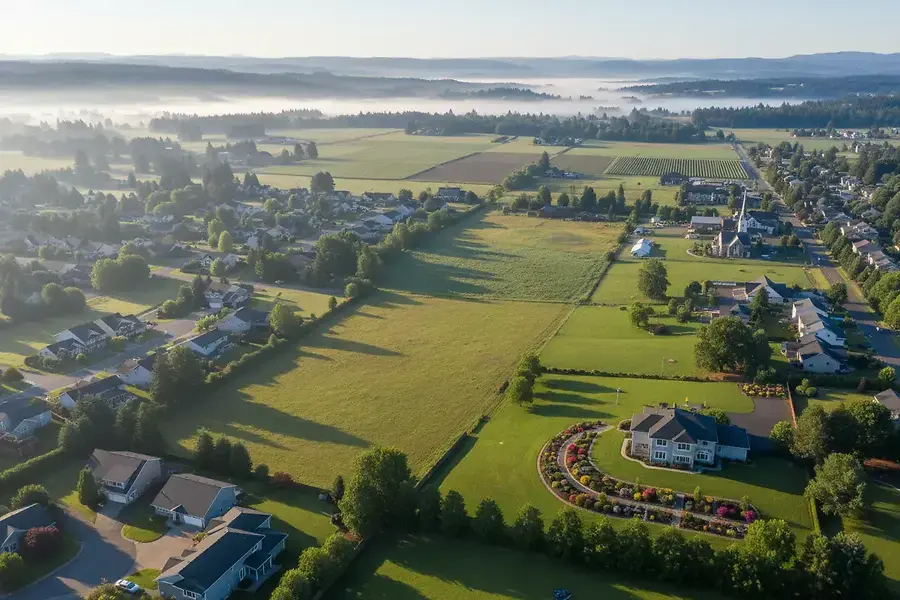
Understanding Regional Market Dynamics Across Willamette Valley Communities
The Willamette Valley spans across 21 distinct Oregon communities, each with its own unique market characteristics, buyer demographics, and economic drivers. Understanding these regional dynamics is essential for homeowners looking to sell strategically and maximize their property's value.
The valley's real estate market is influenced by several key factors that vary significantly from community to community. Population growth patterns, proximity to employment centers, school district ratings, and local amenities all play crucial roles in determining property values. Communities closer to Salem and Portland tend to experience different market pressures than those in more rural areas.
Market Segmentation Across the Valley
The Willamette Valley can be divided into distinct market segments:
- Urban Core Communities: Areas like Salem and Corvallis experience steady demand driven by government employment, universities, and established infrastructure.
- Suburban Growth Areas: Communities experiencing rapid expansion attract families seeking newer homes and developing neighborhoods.
- Rural and Agricultural Communities: Properties in these areas appeal to buyers seeking larger lots and a slower pace of life.
- Emerging Tech Hubs: Smaller communities benefiting from remote work trends and tech industry expansion.
Each segment responds differently to market conditions, interest rate changes, and economic shifts. Recognizing where your community fits within this landscape is the first step toward effective pricing strategy.
Pricing Your Home Competitively: Location-Specific Factors That Impact Value
Successful home pricing requires a deep understanding of the specific factors that influence value in your community. Rather than applying a one-size-fits-all approach, savvy sellers analyze their local market conditions and comparable properties.
Key Valuation Factors by Community Type
Urban and Suburban Communities typically see value driven by:
- Proximity to employment centers and commute times
- School district quality and ratings
- Access to shopping, dining, and entertainment
- Neighborhood safety and walkability scores
- Recent comparable sales and market absorption rates
Rural and Agricultural Properties derive value from:
- Land size and agricultural potential
- Water rights and irrigation access
- Privacy and scenic views
- Distance to services and amenities
- Zoning flexibility for future development
Competitive Analysis and Market Positioning
Conduct a thorough comparative market analysis (CMA) specific to your community. Look at homes that have sold in the past 90 days with similar square footage, lot size, age, and condition. Don't rely solely on online estimates—these tools often miss important local nuances that affect pricing.
Consider your home's unique features relative to the competition. Does your property offer advantages like updated systems, energy efficiency, or desirable finishes? These elements command premium pricing in most Willamette Valley communities. Conversely, properties requiring significant repairs may need strategic pricing to attract investors or handy buyers.
Seasonal and Economic Considerations
Market conditions fluctuate throughout the year. Spring typically brings increased buyer activity and higher prices, while winter markets may require more competitive pricing. Additionally, broader economic factors—such as employment trends in your specific community and regional interest rates—influence buyer purchasing power and market velocity.
Preparing Your Property for Maximum Appeal in Your Local Market
Strategic pricing works best when paired with thoughtful property preparation tailored to your community's buyer preferences.
Community-Specific Curb Appeal
First impressions matter everywhere, but what appeals to buyers varies by location. In suburban communities, well-maintained landscaping, updated exterior finishes, and modern curb appeal are essential. In rural areas, buyers may prioritize functional fencing, mature trees, and natural landscape features.
Universal improvements that work across all Willamette Valley communities include:
- Fresh exterior paint and clean, well-maintained siding
- Updated front entry and welcoming landscaping
- Clear pathways and functional outdoor spaces
- Well-lit entryways and professional signage
Interior Staging for Local Buyer Preferences
Research what local buyers prioritize. In communities with young families, emphasize spacious kitchens, updated bathrooms, and functional floor plans. In areas attracting retirees or downsizers, highlight low-maintenance features and accessibility. For properties in tech-forward communities, showcase smart home features and high-speed internet capabilities.
Declutter and depersonalize your space to help buyers envision their own lives in the home. This approach works universally but becomes even more powerful when you understand your specific buyer demographic.
Strategic Repairs and Upgrades
Prioritize repairs that provide the best return on investment in your specific market. A new roof or updated HVAC system appeals to buyers everywhere, but kitchen and bathroom upgrades typically offer the strongest returns. In rural communities, buyers may value well-maintained outbuildings or functional irrigation systems more highly than urban buyers would.
Get a professional home inspection before listing to identify issues that could derail negotiations. Addressing these proactively demonstrates care and builds buyer confidence.
Conclusion: Positioning Your Home for Success in Your Community
Selling your home successfully in the Willamette Valley requires moving beyond generic real estate advice. By understanding your specific community's market dynamics, conducting thorough competitive analysis, and preparing your property with local buyer preferences in mind, you position yourself for a successful sale at the right price.
Remember these key takeaways:
- The Willamette Valley comprises diverse communities with distinct market characteristics
- Effective pricing requires local market analysis, not just online estimates
- Property preparation should reflect your community's buyer preferences
- Strategic positioning combines competitive pricing with thoughtful property presentation
Whether you're selling in an urban core, growing suburb, or rural area, success comes from understanding your specific market and positioning your home accordingly. Consider working with a local real estate professional who understands your community's nuances and can guide you through the process with data-driven insights and strategic expertise.