Selling Your Home: Strategic Pricing and Market Timing to Maximize Returns
Master the art of strategic pricing and optimal timing to maximize your home's selling potential in today's competitive market.

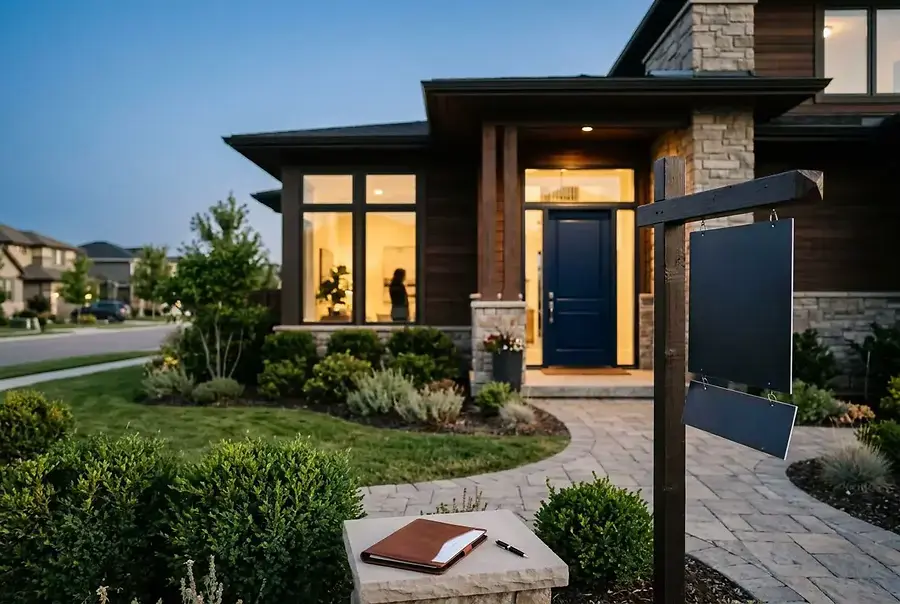
Introduction: Understanding the Importance of Price and Timing in Home Sales
Selling a home is one of the most significant financial decisions you'll make in your lifetime. The difference between a successful sale and a prolonged listing often comes down to two critical factors: pricing strategy and market timing. In today's dynamic real estate landscape, understanding how these elements work together can mean the difference between achieving your financial goals and leaving money on the table.
The reality is that homes don't sell themselves. Even the most beautiful property in the best neighborhood can languish on the market if it's priced incorrectly or listed at the wrong time. Conversely, a well-priced home listed at the optimal moment can attract multiple offers and sell for above asking price. This article will guide you through the essential strategies to maximize your home's selling potential.
Analyzing Your Local Market: Data-Driven Pricing Strategies for Residential Properties
Understanding Comparable Market Analysis (CMA)
The foundation of any successful pricing strategy is a Comparable Market Analysis (CMA). This involves researching recently sold properties in your area that are similar to yours in size, condition, location, and features. Rather than guessing at a price, you're basing your decision on real market data.
Key factors to consider when analyzing comparable properties include:
- Sale prices of similar homes sold within the last 3-6 months
- Days on market before sale
- Property condition and age
- Square footage and lot size
- Number of bedrooms and bathrooms
- Special features or upgrades
Recognizing Market Conditions
Real estate markets fluctuate between buyer's markets and seller's markets. In a seller's market, demand exceeds supply, allowing you to price more aggressively and potentially receive multiple offers. In a buyer's market, supply exceeds demand, requiring a more competitive pricing strategy.
Understanding which type of market you're in is crucial. A real estate agent with local expertise can provide invaluable insights into current market conditions and help you position your price accordingly.
The Psychology of Pricing
Pricing psychology plays a significant role in buyer perception. A home priced at $499,900 feels substantially different from one priced at $525,000, even if the difference is minimal. Strategic pricing—sometimes called charm pricing—uses psychological triggers to make your home more attractive to potential buyers.
Pro Tip: Pricing your home slightly below market value can generate more interest, more showings, and potentially more competitive offers, ultimately resulting in a higher final sale price.
Preparing for Success: Positioning Your Home for Maximum Appeal and Offers
Curb Appeal and First Impressions
Before potential buyers even step inside, they're forming opinions based on your home's exterior. Investing in curb appeal is one of the highest-return improvements you can make:
- Ensure landscaping is well-maintained and inviting
- Paint the front door and refresh the entryway
- Power wash the driveway and walkways
- Update house numbers and lighting fixtures
- Maintain a clean, clutter-free exterior
Interior Staging and Presentation
The interior of your home should tell a story that buyers can envision themselves living in. Strategic staging involves:
- Decluttering: Remove personal items and excess furniture to make spaces feel larger
- Neutralizing: Paint walls in neutral colors and tone down bold décor choices
- Highlighting features: Arrange furniture to showcase your home's best qualities
- Cleanliness: Ensure every room is spotless and fresh-smelling
- Lighting: Maximize natural light and add warm artificial lighting
Timing Your Sale for Maximum Impact
Market timing extends beyond just understanding current conditions—it's about recognizing seasonal patterns and personal circumstances. Spring and early summer typically see increased buyer activity, while winter months often have fewer competing listings. However, this doesn't mean you should always wait for spring.
Consider these timing factors:
- Your personal timeline and financial needs
- Local school calendars (families often prefer moving during summer)
- Economic indicators and interest rate trends
- Inventory levels in your neighborhood
- Your home's condition and readiness for sale
Working with the Right Real Estate Professional
A knowledgeable real estate agent is invaluable in executing your pricing and timing strategy. They bring:
- Access to comprehensive market data and MLS information
- Experience with local market trends and buyer preferences
- Professional marketing expertise to showcase your home
- Negotiation skills to maximize your final sale price
- Guidance through the entire selling process
Conclusion: Taking Action to Achieve Your Home Selling Goals
Selling your home successfully requires a strategic approach that combines data-driven pricing analysis with thoughtful market timing and property preparation. There's no one-size-fits-all formula, but by understanding your local market, pricing competitively, and presenting your home in its best light, you significantly increase your chances of achieving your financial goals.
The key is to act with intention. Don't price based on emotion or what you paid for the home. Don't wait for the "perfect" market conditions that may never arrive. Instead, gather data, consult with professionals, prepare your home thoroughly, and make informed decisions based on your unique circumstances.
Your home is likely your most valuable asset. By applying these strategic pricing and timing principles, you're taking control of the selling process and positioning yourself for success. The market rewards preparation, knowledge, and decisive action—so start today, and watch your home selling potential reach new heights.


