Selling Your Home Without a Real Estate Agent: A Complete Guide
Learn the essential steps, potential risks, and how to navigate the process successfully on your own.

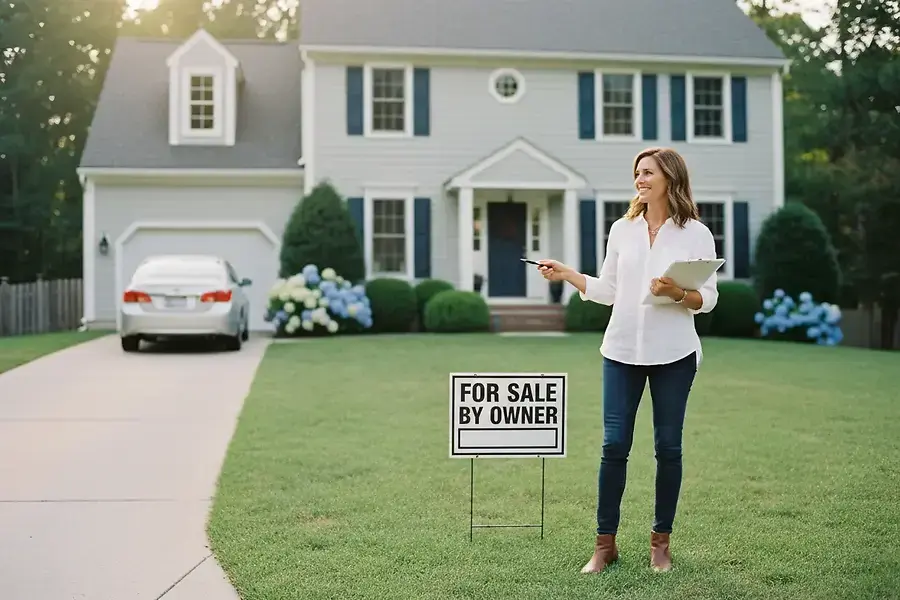
Introduction: The Appeal and Reality of For-Sale-By-Owner (FSBO)
Selling your home without a real estate agent, commonly known as For-Sale-By-Owner (FSBO), has become increasingly popular among homeowners looking to save on commission fees and maintain greater control over the selling process. The appeal is clear: traditional real estate agents typically charge 5-6% in commissions, which can translate to tens of thousands of dollars on a home sale. However, the reality of going solo requires significant time, effort, and knowledge to navigate successfully.
Before you decide to take this route, it's important to understand that selling a home involves much more than simply listing it online. You'll need to handle pricing, marketing, showings, negotiations, and complex legal documentation. The question isn't whether you can sell your home yourself, but whether you should.
Key Steps to Prepare Your Home for Self-Sale: Pricing, Marketing, and Showings
Pricing Your Home Correctly
One of the most critical decisions you'll make is determining the right asking price. Overpricing can deter buyers, while underpricing leaves money on the table. To set a competitive price:
- Research comparable homes (comps) in your area that have sold recently
- Consider your home's condition, location, and unique features
- Use online valuation tools as a starting point, but don't rely on them exclusively
- Factor in current market conditions—whether it's a buyer's or seller's market
Pro tip: Many FSBO sellers hire a professional appraiser for $300-500 to get an accurate valuation, which is far less than agent commissions.
Marketing Your Property Effectively
Without an agent's network, you'll need to create your own marketing strategy. Here's what successful FSBO sellers do:
- Professional photography: Invest in high-quality photos or virtual tours—first impressions matter online
- Online listings: Post on Zillow, Trulia, Facebook Marketplace, and other major platforms
- Yard signs and open houses: Traditional marketing still works to attract local buyers
- Social media promotion: Share your listing with friends and family networks
- Direct outreach: Contact local real estate investors and agents who may have interested buyers
Remember, visibility is key. The more people who know about your home, the better your chances of finding the right buyer at the right price.
Managing Showings and Buyer Interactions
When buyers want to see your home, you'll need to be organized and professional. Create a showing schedule, prepare your home for each viewing, and be ready to answer questions about the property, neighborhood, and utilities. Consider:
- Scheduling showings during convenient times for both parties
- Keeping your home clean and well-maintained between viewings
- Providing information sheets about the home's features and history
- Being prepared to discuss your home's strengths honestly
Legal Considerations, Contracts, and Negotiation Tactics You Need to Know
Understanding the Legal Landscape
This is where many FSBO sellers run into trouble. Real estate transactions involve complex legal documents and regulations that vary by state and locality. You must:
- Understand your state's disclosure requirements—most states require sellers to disclose known defects
- Obtain a title search to ensure the property is free of liens or claims
- Be aware of local zoning laws and homeowners association rules
- Know your state's specific contract requirements and timelines
Many FSBO sellers hire a real estate attorney ($500-1,500) to review contracts and ensure compliance with local laws. This is money well spent and far less expensive than making a costly legal mistake.
Crafting and Negotiating Contracts
Once you have a serious buyer, you'll need to negotiate and finalize a purchase agreement. Key elements include:
- Purchase price and payment terms
- Contingencies (inspection, appraisal, financing)
- Closing date and possession timeline
- Repairs and credits for issues discovered during inspection
- Earnest money deposit amount
Negotiation is an art form in real estate. Be prepared to compromise, but know your bottom line before discussions begin.
Don't be afraid to negotiate—buyers will certainly try to negotiate with you. Stay professional, respond promptly to offers, and consider hiring a real estate attorney to ensure your interests are protected throughout the negotiation process.
Handling Inspections and Appraisals
Once an offer is accepted, the buyer will likely order a home inspection and appraisal. Be prepared for:
- Providing access to inspectors and appraisers
- Addressing inspection findings and repair requests
- Negotiating credits or repairs if the appraisal comes in lower than the agreed price
- Maintaining transparency about any known issues
Conclusion: When to Go Solo and When to Seek Professional Help
Selling your home without a real estate agent is possible and can save you significant money, but it's not the right choice for everyone. Consider going the FSBO route if:
- You have time to dedicate to the process
- Your home is in a desirable location with strong market demand
- You're comfortable with marketing, negotiation, and basic legal concepts
- You're willing to invest in professional services where needed (photography, appraisal, legal review)
Seek professional help if:
- Your home is complex or has significant issues
- You're in a slow or competitive market
- You lack time or confidence in your negotiation skills
- Your state has particularly complex real estate laws
The bottom line: Selling your home yourself can work, but approach it strategically. Use the money you save on commissions to hire professionals for critical tasks like legal review and professional photography. With proper preparation, realistic expectations, and willingness to learn, you can successfully navigate the FSBO process and achieve your goal of selling your home on your terms.