Selling Your Home Without an Agent: A Complete Guide for Homeowners
Master the essential steps and strategies for navigating a successful for-sale-by-owner transaction.

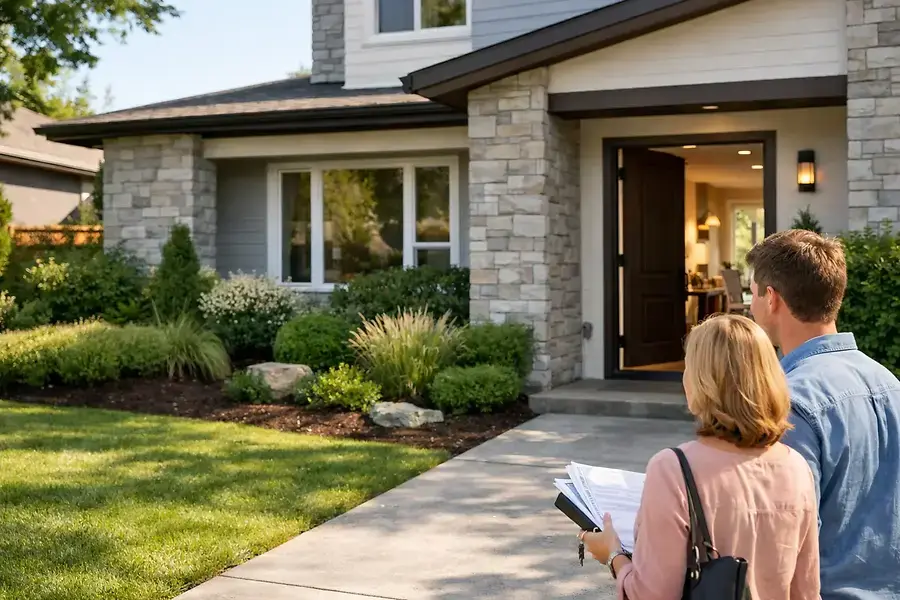
Introduction: Understanding the FSBO Landscape and When It Makes Sense
Selling your home without a real estate agent, commonly known as For-Sale-By-Owner (FSBO), has become an increasingly viable option for homeowners looking to save on commission fees and maintain greater control over the sales process. While the traditional real estate agent model has dominated the market for decades, modern technology and readily available information have empowered homeowners to take charge of their own transactions.
FSBO sales can make sense if you have strong negotiation skills, time to dedicate to the process, and a good understanding of your local real estate market. However, it's important to recognize that selling without professional guidance requires significant effort and carries certain risks. Before deciding to go the FSBO route, honestly assess your comfort level with marketing, legal documentation, and handling potential buyers.
Pricing Your Home Correctly: Market Analysis and Valuation Methods
Conducting a Comparative Market Analysis
The foundation of a successful FSBO sale begins with accurate pricing. Start by researching comparable properties in your neighborhood that have sold recently. Look for homes with similar square footage, age, condition, and amenities. Online platforms like Zillow, Redfin, and local MLS databases provide valuable data on recent sales prices and current listings.
Understanding Valuation Methods
Consider using multiple valuation approaches:
- Comparable Sales Approach: Compare your home to recently sold properties in your area
- Cost Approach: Calculate the cost to rebuild your home plus land value
- Income Approach: Useful if your property generates rental income
Many homeowners overestimate their home's value, which can lead to extended listing periods and eventual price reductions. Price your home competitively to attract serious buyers and generate multiple offers, which can actually increase your final sale price through bidding wars.
Marketing Your Property: Online Listings, Photography, and Open Houses
Creating Compelling Online Listings
In today's digital marketplace, online presence is crucial. List your property on major platforms including Zillow, Redfin, Trulia, and Facebook Marketplace. Write a detailed, engaging description that highlights your home's best features. Use clear, benefit-focused language rather than simply listing features.
"A well-photographed home with an engaging description can attract 50% more qualified buyers than a poorly presented listing."
Professional Photography and Virtual Tours
Invest in high-quality photography. Poor photos are the number one reason buyers skip listings. Consider hiring a professional photographer or using virtual tour technology like 3D walkthroughs. Ensure your home is clean, decluttered, and well-lit before any photography session.
Hosting Effective Open Houses
Schedule open houses during peak times, typically weekend afternoons. Prepare your home by:
- Deep cleaning every room and surface
- Removing personal items and excessive decorations
- Ensuring proper lighting and pleasant aromas
- Creating a welcoming entryway
- Having refreshments available for visitors
Be present during open houses to answer questions and highlight unique features. Consider offering virtual open houses as well to reach buyers who cannot attend in person.
Handling Offers and Closing: Legal Requirements and Negotiation Tips
Preparing for Offers
When offers arrive, carefully review each one. Consider not just the price, but also contingencies, closing timeline, and buyer financing. A lower offer with fewer contingencies might be more attractive than a higher offer with multiple conditions.
Negotiation Strategies
Approach negotiations professionally and objectively. Be prepared to:
- Counter offers with specific terms and deadlines
- Request proof of funds or pre-approval letters
- Negotiate inspection repairs and closing costs
- Maintain clear written communication
Legal Considerations and Closing
This is where FSBO sales become complex. You'll need to handle contracts, disclosures, and legal documentation. Strongly consider hiring a real estate attorney to review contracts and ensure compliance with local laws. Many states require specific disclosures about property condition, lead paint, and other issues.
Coordinate with a title company to conduct a title search, arrange title insurance, and manage the closing process. Ensure all inspections, appraisals, and final walkthroughs are completed before closing day.
Conclusion: Making an Informed Decision About Your Home Sale
Selling your home without an agent is achievable, but it demands time, effort, and attention to detail. The potential savings on commission fees can be substantial, but weigh these savings against the risks of pricing errors, marketing missteps, and legal complications.
If you proceed with FSBO, invest in professional help where it matters most: legal representation, professional photography, and accurate pricing. These investments will pay dividends in attracting qualified buyers and ensuring a smooth closing. Whether you choose to go the FSBO route or work with an agent, the key to a successful home sale is preparation, realistic pricing, and effective marketing.


