Selling Your Home Without an Agent: Legal Requirements and Risks
Learn what you need to know before deciding to sell your residential property independently.

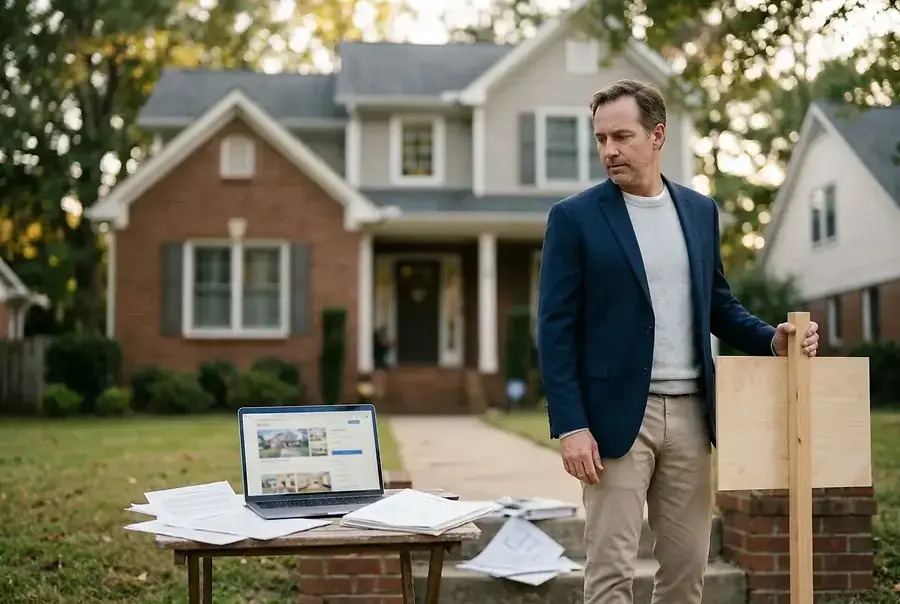
The Appeal and Reality of For-Sale-By-Owner Properties
The idea of selling your home without a real estate agent is tempting. You imagine keeping the full commission—typically 5-6% of the sale price—and maintaining complete control over the process. For a $400,000 home, that could mean saving $20,000 to $24,000. However, the reality of for-sale-by-owner (FSBO) sales is considerably more complex than many homeowners anticipate.
While some sellers successfully navigate the FSBO process, statistics show that homes sold without agents often sell for less than their market value and take longer to sell. The reasons are multifaceted: limited exposure to qualified buyers, lack of professional marketing, pricing errors, and most critically, unfamiliarity with legal requirements and documentation.
Legal Disclosure Requirements and Documentation You Must Handle
Understanding Disclosure Obligations
One of the most critical aspects of selling your home is providing accurate disclosures. You are legally required to disclose known defects and issues with your property, regardless of whether you use an agent. These disclosures vary by state but typically include:
- Structural problems and foundation issues
- Water damage, flooding, or moisture problems
- Roof condition and age
- HVAC system status
- Pest infestations or previous infestations
- Environmental hazards (lead paint, asbestos, radon)
- Previous insurance claims
- Neighborhood nuisances or hazards
Failing to disclose known issues can result in serious legal consequences, including lawsuits from buyers after closing, forced rescission of the sale, or significant financial penalties.
Essential Documentation and Forms
Beyond disclosures, you'll need to prepare and manage numerous legal documents:
- Property Disclosure Statement: A comprehensive form detailing the condition of your home
- Purchase Agreement: A legally binding contract outlining terms, price, contingencies, and closing details
- Title Documents: Proof of ownership and any liens against the property
- HOA Documents: If applicable, homeowners association rules and financial statements
- Inspection Reports: Professional inspections you may want to provide upfront
- Closing Disclosure: Final accounting of all costs and credits
Each state has specific requirements for these documents, and using incorrect or incomplete forms can invalidate contracts or create legal disputes.
Title and Escrow Considerations
You'll need to work with a title company to ensure clear title transfer and handle escrow arrangements. This is not optional—it's a critical protection for both you and the buyer. Title companies conduct searches to verify ownership and identify any liens, judgments, or other claims against the property. While this adds to your costs, it's essential for a legitimate transaction.
Common Pitfalls and Financial Risks of Selling Without Professional Help
Pricing Your Home Incorrectly
One of the most common mistakes FSBO sellers make is mispricing their property. Real estate agents use comparative market analysis (CMA) to determine appropriate pricing based on recent sales of similar properties. Without this expertise, you might overprice your home—resulting in no offers—or underprice it, leaving money on the table.
A home priced just 5-10% too low could cost you tens of thousands of dollars.
Limited Buyer Exposure
Real estate agents have access to the Multiple Listing Service (MLS), which is the primary tool buyers and their agents use to search for properties. FSBO homes listed only on Zillow, Realtor.com, or your own website reach far fewer qualified buyers. Many buyer's agents won't show FSBO properties to their clients, further limiting your market.
Negotiation and Contract Risks
Real estate transactions involve complex negotiations regarding:
- Inspection contingencies and repair requests
- Appraisal contingencies
- Financing contingencies
- Closing timelines and deadlines
- Earnest money deposits
- Walk-through inspections
Without professional guidance, you may agree to unfavorable terms, miss critical deadlines, or fail to protect your interests. A single mistake in contract language could cost you thousands or even derail the entire sale.
Legal Liability and Lawsuits
Inadequate disclosures or documentation errors can expose you to post-closing litigation. Buyers have discovered hidden defects months or years after purchase and successfully sued sellers for non-disclosure. These lawsuits can be expensive and time-consuming, potentially costing more than the commission you saved.
Marketing and Showing Challenges
Marketing a home effectively requires professional photography, staging advice, online listing optimization, and coordinating showings. Many FSBO sellers underestimate the time and effort required to manage these tasks while maintaining their daily lives.
Financing and Inspection Contingencies
Understanding how to properly structure financing contingencies, inspection periods, and appraisal contingencies is crucial. Mistakes here can lead to disputes about who bears the cost of repairs or whether the buyer can back out of the deal.
Making an Informed Decision About Your Sale Strategy
Selling your home without an agent is legally possible, but it requires significant knowledge, time, and attention to detail. Before deciding to go the FSBO route, honestly assess your ability to:
- Research and comply with all state and local disclosure requirements
- Accurately price your property based on market data
- Market your home effectively to reach qualified buyers
- Negotiate complex contracts and handle contingencies
- Manage the closing process and coordinate with title companies
- Accept legal liability for any errors or omissions
For many homeowners, the risks and time investment outweigh the commission savings. A real estate agent brings expertise, market access, and professional liability protection that can result in a faster sale at a better price. However, if you're knowledgeable about real estate, have time to dedicate to the process, and are willing to invest in professional services (like title companies and possibly a real estate attorney), FSBO selling may be viable.
The key is making an informed decision based on your specific situation, not simply assuming you'll save money by going it alone.