Selling Your Homestead Home: A Complete Guide to Pricing, Marketing & Closing
Master the local market strategies that help Homestead sellers attract serious buyers and maximize their property value.

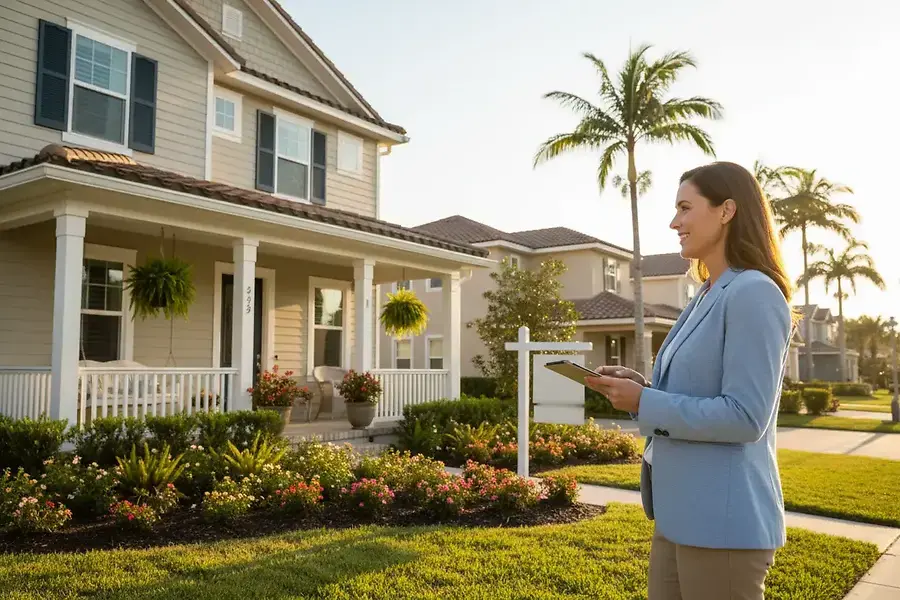
Understanding Homestead's Current Seller's Market
The Homestead real estate market presents unique opportunities for sellers who understand the local landscape. As a thriving community in South Florida, Homestead has experienced steady growth with increasing demand from both first-time homebuyers and investors seeking affordable properties with strong appreciation potential.
Before listing your home, it's essential to understand the current market conditions. Key factors include:
- Inventory Levels: Monitor how many comparable homes are currently listed in your area
- Days on Market: Track how quickly similar properties are selling
- Price Trends: Analyze whether prices are appreciating or depreciating in your neighborhood
- Buyer Demographics: Identify who is actively purchasing homes in Homestead
Working with a local real estate agent who understands Homestead's neighborhoods is invaluable. They can provide insights into which areas are experiencing the most buyer interest and which features command premium prices.
Pricing Your Home Competitively in Homestead
Conducting a Comparative Market Analysis
Pricing is the most critical factor in selling your home quickly and for maximum profit. A Comparative Market Analysis (CMA) examines recently sold properties similar to yours in size, condition, location, and features. This data-driven approach ensures your asking price is competitive and attractive to serious buyers.
When preparing your CMA, consider:
- Properties sold within the last 90 days in your neighborhood
- Homes with similar square footage, bedrooms, and bathrooms
- Comparable lot sizes and property conditions
- Special features or upgrades that add value
Avoiding Common Pricing Mistakes
Many sellers overprice their homes based on emotional attachment or wishful thinking. Overpricing leads to longer market times, fewer showings, and ultimately lower final sale prices. Conversely, underpricing leaves money on the table. The sweet spot is pricing strategically to attract multiple offers while maximizing your return.
Consider pricing slightly below market value to generate buyer interest and create competitive bidding situations—a proven strategy in Homestead's active market.
Effective Marketing Strategies for Homestead Properties
Professional Photography and Virtual Tours
In today's digital-first market, high-quality photography is non-negotiable. Most buyers begin their search online, so stunning images and virtual tours are your first impression. Professional photographers understand lighting, angles, and staging to showcase your home's best features.
Virtual tours and 3D walkthroughs allow potential buyers to explore your property from anywhere, expanding your reach beyond local buyers to regional and national prospects.
Leveraging Online Platforms
List your property on major platforms including:
- MLS (Multiple Listing Service)
- Zillow, Trulia, and Realtor.com
- Facebook Marketplace and Instagram
- Local Homestead real estate websites
Each platform reaches different buyer segments, so comprehensive online presence is essential for maximum exposure.
Highlighting Homestead-Specific Features
Emphasize what makes your property and location attractive:
- Agricultural Heritage: Proximity to farms, farmers markets, and rural charm
- Affordability: Competitive pricing compared to other South Florida communities
- Community Amenities: Parks, schools, shopping, and dining options
- Investment Potential: Growing area with development opportunities
- Climate Benefits: Year-round warm weather and outdoor living
Open Houses and Private Showings
Strategic open houses generate foot traffic and create urgency among buyers. However, private showings often result in more serious offers.
A balanced approach combining both open houses and private appointments maximizes buyer exposure while maintaining security and privacy.
Ensure your home is impeccably clean, well-lit, and staged to highlight its best features during all showings.
Navigating the Closing Process and Final Steps
Accepting Offers and Negotiations
When offers arrive, evaluate them carefully beyond just the price. Consider:
- Earnest money deposit amount
- Contingencies (inspection, appraisal, financing)
- Proposed closing timeline
- Buyer's financial pre-approval status
Your real estate agent will help negotiate terms that protect your interests while keeping the deal moving forward.
Home Inspection and Appraisal
Be prepared for the buyer's home inspection. Address any major issues proactively to avoid deal-killing surprises. The appraisal ensures the property value supports the loan amount—if the appraisal comes in low, you may need to renegotiate price or the buyer may walk away.
Final Walkthrough and Closing
Conduct a final walkthrough 24 hours before closing to ensure agreed-upon repairs are completed and the property is in expected condition. Review all closing documents carefully, including the Closing Disclosure, which outlines final costs and loan terms.
Work with a qualified title company or attorney to ensure all paperwork is accurate and the transfer of ownership proceeds smoothly. Ask questions about anything unclear—closing is not the time for surprises.
Post-Closing Considerations
After closing, ensure utilities are transferred, forward your mail, and provide the buyer with all necessary documentation including warranties, manuals, and access codes. A smooth closing experience builds goodwill and may result in positive referrals.
Final Thoughts
Selling your Homestead home successfully requires understanding the local market, pricing strategically, marketing effectively, and navigating the closing process with care. By following these proven strategies and working with experienced local professionals, you'll maximize your property's value and achieve a smooth, profitable sale.