Selling Your Jacksonville Home: Pricing Strategies for Maximum Profit
Learn how to price your residential property competitively in Jacksonville's current market to attract serious buyers and maximize your return.

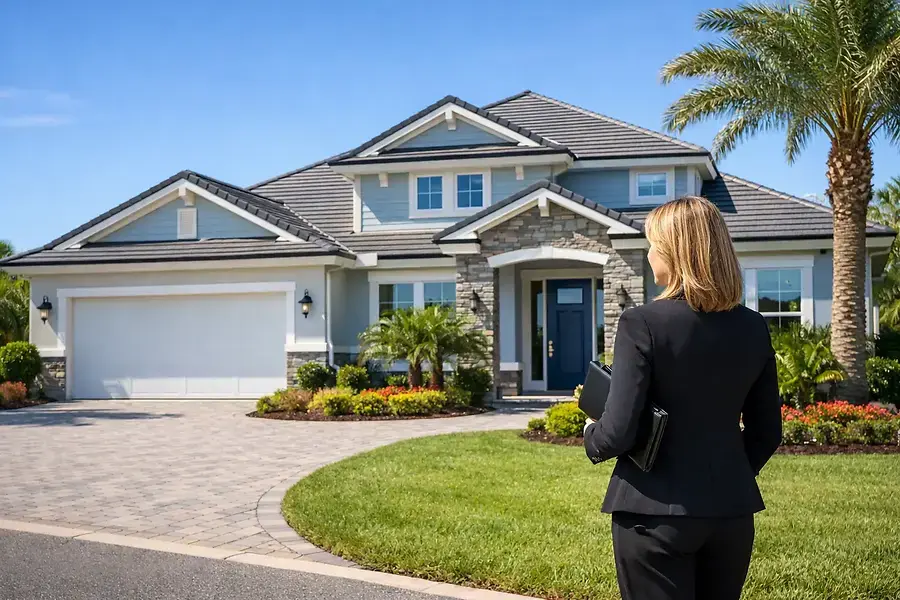
Understanding Jacksonville's Current Market Conditions
Jacksonville's real estate market has experienced significant growth and transformation in recent years. As a seller, understanding the current market dynamics is crucial to making informed decisions about your property's pricing strategy. The Jacksonville market is characterized by steady demand, with both first-time homebuyers and investors actively seeking properties in the area.
Several factors influence Jacksonville's market conditions, including population growth, job market expansion, and the city's appeal as an affordable alternative to other major Florida metropolitan areas. Interest rates, inventory levels, and seasonal trends also play important roles in determining how quickly homes sell and at what price points.
Key Market Indicators to Monitor
Before listing your home, familiarize yourself with these essential metrics:
- Days on Market (DOM): The average number of days homes stay listed before selling
- Inventory Levels: The number of homes currently available for sale
- Price Per Square Foot: Average pricing trends in your neighborhood
- Absorption Rate: How quickly homes are selling relative to new listings
A buyer's market (more homes than buyers) typically requires more aggressive pricing, while a seller's market (more buyers than homes) allows for premium pricing strategies.
Comparative Market Analysis and Pricing Techniques
Conducting a Thorough Comparative Market Analysis (CMA)
A Comparative Market Analysis is your foundation for setting the right price. This involves analyzing recently sold properties that are similar to yours in terms of location, size, condition, and amenities. A professional CMA typically examines homes sold within the last 90 days in your specific neighborhood or subdivision.
When conducting your analysis, consider these factors:
- Square footage and lot size
- Number of bedrooms and bathrooms
- Age and condition of the property
- Special features (pools, garages, updated kitchens)
- Proximity to schools, shopping, and employment centers
Strategic Pricing Approaches
Competitive Pricing: Price your home in line with comparable properties. This approach attracts serious buyers quickly and often results in multiple offers.
Psychological Pricing: Consider pricing just below round numbers (e.g., $349,900 instead of $350,000). This technique can make your home appear more affordable while capturing buyer attention.
Premium Pricing: If your home has unique features, recent upgrades, or exceptional location advantages, you may justify a higher price point. Document all improvements and renovations to support your pricing strategy.
"The first 30 days on the market are critical. Homes priced correctly from the start typically sell faster and for better prices than those that require price reductions."
Staging and Marketing Your Home for Success
Preparing Your Home for Showings
Even with perfect pricing, your home won't sell itself. Strategic staging can significantly impact buyer perception and perceived value. First impressions matter tremendously – invest in curb appeal by maintaining landscaping, painting the front door, and ensuring the exterior is clean and inviting.
Inside your home, focus on:
- Decluttering and removing personal items
- Deep cleaning every room and surface
- Neutral paint colors and minimal décor
- Proper lighting throughout the home
- Highlighting key features and functional spaces
Effective Marketing Strategies
In today's digital-first market, professional photography and virtual tours are non-negotiable. High-quality images and 3D walkthroughs allow potential buyers to preview your home before scheduling a showing, filtering out unqualified prospects and saving you time.
Leverage multiple marketing channels:
- Major real estate websites and MLS listings
- Social media platforms (Facebook, Instagram, TikTok)
- Email marketing to local buyer databases
- Open houses and private showings
- Neighborhood-specific marketing materials
Closing the Deal: Negotiation Tips and Timeline
Preparing for Negotiations
Once offers start coming in, be prepared to negotiate. Your real estate agent should provide a comparative analysis of each offer, considering not just price but also contingencies, closing timeline, and buyer financing status.
Key negotiation points include:
- Purchase price and earnest money deposit
- Inspection contingencies and repair requests
- Appraisal contingencies
- Closing timeline and possession date
- Seller concessions and closing cost assistance
Understanding the Closing Timeline
A typical home sale in Jacksonville takes 30-45 days from accepted offer to closing. This timeline includes inspections, appraisals, title searches, and final walkthroughs. Stay flexible and responsive to keep the process moving smoothly and avoid deal-killing delays.
During this period, maintain your home's condition and be available for required inspections and showings. Any issues discovered during inspections should be addressed promptly to prevent buyer hesitation.
Final Considerations
Remember that the lowest offer isn't always the best offer. A slightly lower offer with fewer contingencies and a faster closing timeline may be preferable to a higher offer with multiple complications. Work closely with your real estate agent to evaluate all factors and make decisions that align with your goals and timeline.
By understanding Jacksonville's market conditions, pricing strategically, presenting your home effectively, and negotiating wisely, you'll be well-positioned to achieve maximum profit from your home sale. Success in real estate is about combining data-driven decisions with smart marketing and skilled negotiation.


