Selling Your Kansas City Home: Pricing Strategies for Maximum Profit
Learn proven pricing techniques to attract serious buyers and maximize your home's sale price in today's Kansas City market.

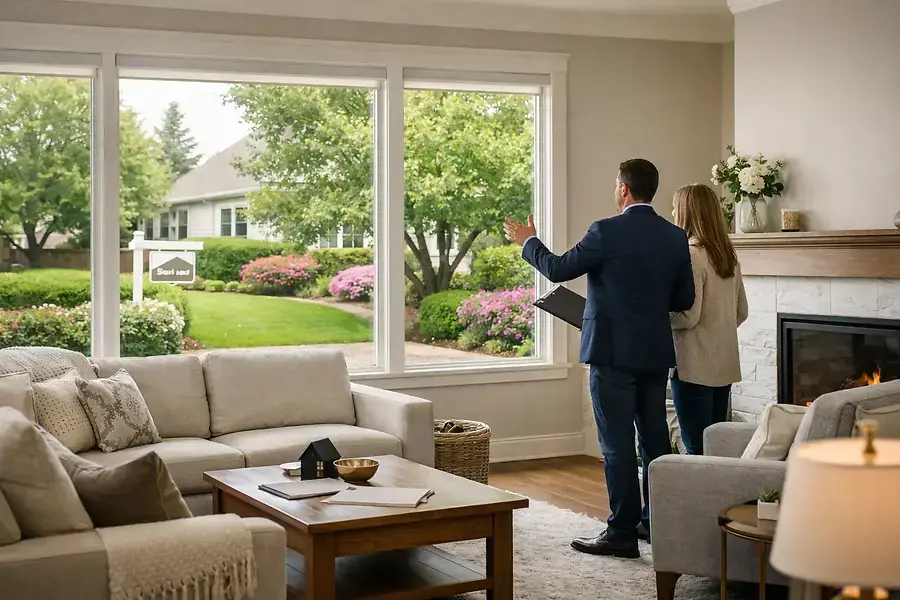
Understanding Your Local Market: Kansas City Home Values and Trends
Before listing your Kansas City home, it's essential to understand the current market landscape. The Kansas City real estate market has shown resilience and steady growth, with diverse neighborhoods offering varying price points and appreciation rates. From the trendy Crossroads Arts District to the established charm of Brookside, each area has unique characteristics that influence home values.
Research recent sales data in your specific neighborhood to identify patterns. Look at homes similar to yours in size, age, and condition that have sold in the past three to six months. This information provides valuable context for pricing decisions and helps you understand buyer expectations in your area.
Key Market Indicators to Monitor
- Days on Market (DOM): How quickly homes are selling in your neighborhood
- Price-to-List Ratio: The percentage of asking price homes actually sell for
- Inventory Levels: Whether it's a buyer's or seller's market
- Seasonal Trends: How seasons affect buyer activity and pricing
Understanding these indicators helps you position your home competitively and make informed decisions about pricing and timing.
Setting the Right Price: Comparative Market Analysis and Valuation Methods
Pricing your home correctly is the single most important factor in achieving maximum profit. Overpricing leads to extended listing periods and reduced buyer interest, while underpricing leaves money on the table. The key is finding that sweet spot that attracts serious buyers while maximizing your return.
Comparative Market Analysis (CMA)
A Comparative Market Analysis is the foundation of accurate pricing. This involves analyzing recently sold properties that are similar to yours in location, size, condition, and features. Work with a qualified real estate agent who has access to comprehensive MLS data and can provide detailed comparisons.
Elements of a thorough CMA include:
- Recently sold comparable properties (typically within 6 months)
- Current active listings in your price range
- Expired listings that didn't sell
- Adjustments for differences in features and condition
Professional Valuation Methods
Beyond CMA, consider these additional valuation approaches:
- Appraisal: A professional appraisal provides an unbiased assessment of your home's value based on market data and property condition
- Automated Valuation Models (AVMs): Online tools that estimate value, though they should be used as a starting point rather than the final word
- Cost Approach: Calculating replacement cost of the structure plus land value, useful for newer homes
Pro Tip: Price your home at or slightly below market value to generate buyer interest and potentially spark a bidding war, which can drive the final sale price higher than initially expected.
Positioning Your Home for Success: Staging and Marketing Tips
Even the best price won't sell a home that doesn't show well. Strategic staging and marketing transform your property into an attractive investment for potential buyers.
Home Staging Essentials
Staging isn't about expensive renovations—it's about presenting your home in its best light. Focus on these key areas:
- Curb Appeal: First impressions matter. Ensure landscaping is neat, paint is fresh, and the entrance is inviting
- Decluttering: Remove personal items and excess furniture to help buyers envision themselves in the space
- Cleanliness: A spotless home signals good maintenance and care
- Lighting: Bright, well-lit spaces feel larger and more welcoming
- Neutral Colors: Paint walls in neutral tones to appeal to a broader audience
Effective Marketing Strategies
In today's digital-first market, comprehensive marketing is crucial. Your listing should include:
- Professional photography and virtual tours
- Detailed property descriptions highlighting unique features
- Strategic placement on major real estate platforms
- Social media promotion to reach wider audiences
- Open houses and private showings for serious buyers
Quality marketing can reduce days on market by 30-40% and often results in higher final sale prices.
Closing the Deal: Negotiation Tactics and Next Steps
Once you've attracted buyer interest, the negotiation phase begins. This is where strategic pricing decisions pay off.
Understanding Buyer Offers
When offers arrive, evaluate them holistically—not just the price. Consider:
- Earnest money deposit amount
- Contingencies (inspection, appraisal, financing)
- Proposed closing timeline
- Buyer's financial strength and pre-approval status
Negotiation Strategies
Counter-Offer Tactics: If the initial offer is below your target price, provide a thoughtful counter-offer. Leave room for negotiation while standing firm on your bottom line. Multiple offers can strengthen your negotiating position.
Contingency Management: Fewer contingencies make your offer more attractive. However, protect yourself by including standard inspection and appraisal contingencies.
Final Steps to Closing
Once you've accepted an offer, the path to closing involves:
- Home inspection and addressing any issues
- Appraisal to ensure the property meets lender requirements
- Title search and insurance
- Final walkthrough before closing
- Signing closing documents and transferring ownership
Work closely with your real estate agent and attorney throughout this process to ensure all details are handled correctly and your interests are protected.
Maximizing Your Profit
Remember that your net proceeds depend on more than just the sale price. Factor in:
- Real estate agent commissions (typically 5-6%)
- Closing costs and transfer taxes
- Any repairs or improvements made before sale
- Capital gains taxes (consult a tax professional)
Conclusion: Selling your Kansas City home for maximum profit requires a strategic approach combining accurate pricing, effective presentation, and skilled negotiation. By understanding your local market, setting the right price, and positioning your home effectively, you'll attract serious buyers and achieve your financial goals. Partner with experienced professionals who understand the Kansas City market and can guide you through each step of the process.


