Selling Your Kansas City Home: Pricing Strategies That Actually Work
Learn proven tactics to price your residential property competitively and attract serious buyers in today's Kansas City market.

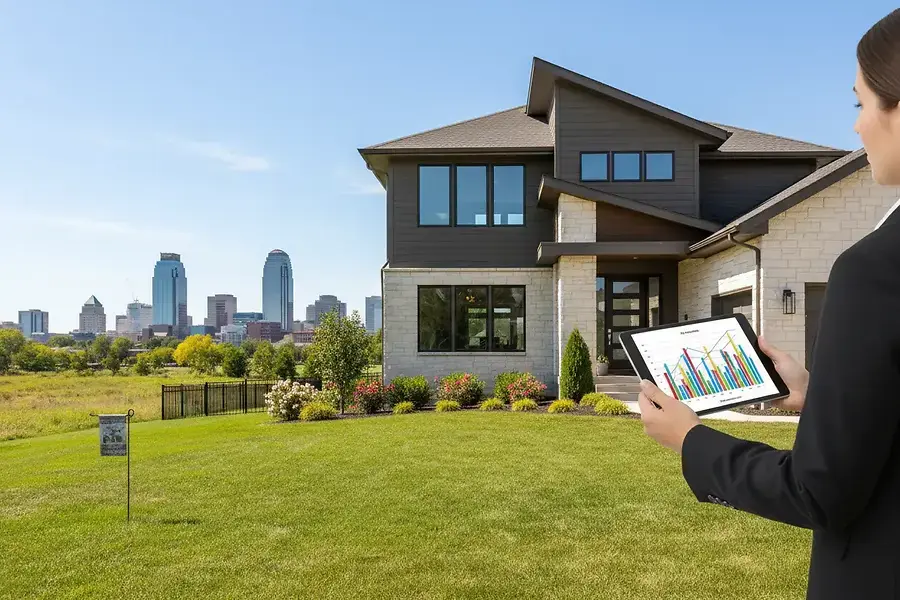
Understanding the Current Kansas City Real Estate Market
The Kansas City real estate market continues to evolve, presenting both opportunities and challenges for home sellers. To price your property effectively, you must first understand the dynamics of your local market. Kansas City has experienced steady growth in recent years, with diverse neighborhoods offering varying price points and buyer demographics.
The market is characterized by:
- Moderate inventory levels that favor informed sellers who price strategically
- Strong buyer interest in established neighborhoods and emerging areas
- Competitive pricing that rewards homes positioned correctly from day one
- Diverse buyer base ranging from first-time homebuyers to investors
Understanding these factors helps you position your home for maximum appeal and faster sales. Homes that are priced too high sit longer on the market, while underpriced homes leave money on the table. The sweet spot requires data-driven analysis and market knowledge.
Comparative Market Analysis: Finding Your Home's True Value
The Power of Comparable Sales Data
A Comparative Market Analysis (CMA) is your foundation for accurate pricing. This analysis examines recently sold homes in your area with similar characteristics—square footage, age, condition, and location. Rather than guessing, you're using real market data to inform your decision.
Key factors to analyze in comparable properties:
- Sale price and price per square foot
- Days on market before sale
- Property condition and recent upgrades
- Lot size and special features
- Proximity to schools, amenities, and transportation
Working with Market Data
Look at homes that sold within the last 90 days in your neighborhood. Properties that are currently listed but not yet sold are less reliable indicators since they haven't proven their market value. Focus on the homes most similar to yours—these "comps" provide the most accurate pricing guidance.
If your home has unique features—a renovated kitchen, updated HVAC system, or mature landscaping—you can justify pricing at the higher end of your comparable range. Conversely, homes needing repairs should be priced more competitively to account for buyer inspection concerns.
The Price Per Square Foot Method
Calculate the average price per square foot in your area by dividing recent sale prices by their square footage. Multiply this figure by your home's square footage to establish a baseline. This method provides a quick sanity check on your pricing strategy and helps you understand how your home compares to neighborhood standards.
Pricing Psychology and Strategic Positioning for Maximum Interest
The Psychology Behind Strategic Pricing
Pricing isn't purely mathematical—psychology plays a significant role in buyer perception. A home priced at $349,900 feels substantially different from one at $350,000, even though the difference is minimal. This psychological pricing strategy can generate more showings and buyer interest.
Strategic pricing positions your home as a value in the market, encouraging more showings and creating competitive interest among buyers.
Avoiding Common Pricing Mistakes
Overpricing: This is the most common mistake sellers make. Overpriced homes receive fewer showings, sit longer on the market, and eventually sell for less than they would have if priced correctly initially. Buyers and agents quickly identify overpriced properties.
Underpricing: While this generates quick interest, you're leaving money on the table. If your home is priced too low, you may receive multiple offers, but the final sale price won't maximize your equity.
Ignoring market conditions: Pricing strategies that worked last year may not work today. Stay current with market trends and adjust accordingly.
Creating Competitive Advantage Through Pricing
Price your home slightly below market value to generate multiple showings and create competitive bidding. This strategy often results in a higher final sale price than aggressive pricing, as multiple interested buyers drive up offers. The key is finding the balance between attracting attention and maximizing value.
Consider your home's condition, location desirability, and current market absorption rate when determining your pricing strategy. Homes in highly desirable neighborhoods can command premium pricing, while those needing updates should be priced more competitively.
Timeline Expectations and Closing the Sale
Setting Realistic Timeline Expectations
Properly priced homes typically receive their first offer within the first two weeks on the market. If you're not receiving showings or offers after this period, your price may be too high. Be prepared to adjust your strategy based on market feedback.
The Kansas City market typically sees homes in good condition selling within 30-45 days when priced correctly. Homes requiring significant repairs may take longer, while homes in premium locations may sell faster.
Responding to Market Feedback
Monitor showing feedback carefully. If agents and buyers consistently mention price concerns, it's time to adjust. Small price reductions—$5,000 to $10,000—can dramatically increase interest and showings. These adjustments signal to the market that you're serious about selling.
Negotiation and Closing Strategy
Once offers arrive, your pricing strategy continues to matter. Homes priced correctly attract serious buyers willing to negotiate fairly. Be prepared to consider inspection requests, appraisal contingencies, and closing timelines. A well-priced home gives you negotiating leverage and increases the likelihood of a smooth closing.
Final pricing tips for success:
- Get a professional CMA from a local real estate agent
- Price to sell, not to wish
- Be willing to adjust based on market feedback
- Focus on value positioning rather than emotional attachment
- Monitor comparable sales throughout your listing period
Selling your Kansas City home successfully begins with smart pricing. By understanding your market, analyzing comparable sales, applying psychological pricing principles, and remaining flexible with your strategy, you'll attract serious buyers and achieve your sales goals. Remember: the best price is one that sells your home quickly while maximizing your return.


