Selling Your Lynwood Home: Essential Pricing Strategies for Success
Learn how to price your residential property competitively and attract serious buyers in today's Lynwood real estate market.

Understanding the Current Lynwood Housing Market
The Lynwood real estate market presents unique opportunities for homeowners looking to sell. Before listing your property, it's crucial to understand the current market dynamics that influence buyer behavior and property values in this vibrant Washington community.
Lynwood has experienced steady growth over recent years, attracting families, professionals, and investors alike. The market is characterized by a diverse range of properties, from charming single-family homes to modern townhouses. Understanding whether you're in a buyer's or seller's market will significantly impact your pricing strategy and negotiation approach.
Key Market Factors to Consider
- Inventory Levels: Monitor how many comparable homes are currently listed in Lynwood. Low inventory typically favors sellers, allowing for higher pricing.
- Days on Market: Track how quickly similar properties are selling. Faster sales indicate strong demand and may justify premium pricing.
- Local Economic Trends: Consider employment opportunities, population growth, and neighborhood development projects that affect property desirability.
- Seasonal Patterns: Real estate markets fluctuate seasonally. Understanding these patterns helps you time your listing strategically.
Comparative Market Analysis and Pricing Techniques
A Comparative Market Analysis (CMA) is your most powerful tool for determining the right price for your Lynwood home. This data-driven approach examines recently sold properties, active listings, and expired listings to establish a competitive price range.
Conducting an Effective CMA
Start by identifying comparable properties—homes similar to yours in size, condition, location, and features. Look for sales that occurred within the last three to six months, as older data becomes less relevant in a changing market. Focus on properties within a quarter-mile radius when possible, as location significantly impacts value.
Analyze the following elements for each comparable:
- Square footage and lot size
- Number of bedrooms and bathrooms
- Age and condition of the property
- Recent upgrades or renovations
- Garage spaces and parking availability
- Special features (pools, decks, smart home technology)
Pricing Strategies for Maximum Impact
Competitive Pricing: Price your home within 5-10% of comparable sales. This sweet spot attracts serious buyers while maintaining strong profit margins. Overpricing is one of the most common mistakes sellers make, often resulting in longer market times and eventual price reductions.
Psychological Pricing: Consider pricing just below round numbers. A home priced at $549,900 often attracts more attention than one listed at $550,000, even though the difference is minimal. This technique can generate more showings and offers.
Value-Based Pricing: If your home has unique features or recent upgrades, justify a premium price with documentation. New roofing, updated electrical systems, or energy-efficient windows add tangible value that buyers appreciate.
"The right price is the one that attracts qualified buyers while maximizing your return. It's a balance between market data and strategic positioning."
Staging and Marketing Your Home for Maximum Appeal
Even the most competitively priced home won't sell without effective presentation. Staging and marketing work hand-in-hand to showcase your property's best features and justify your asking price.
Professional Staging Tips
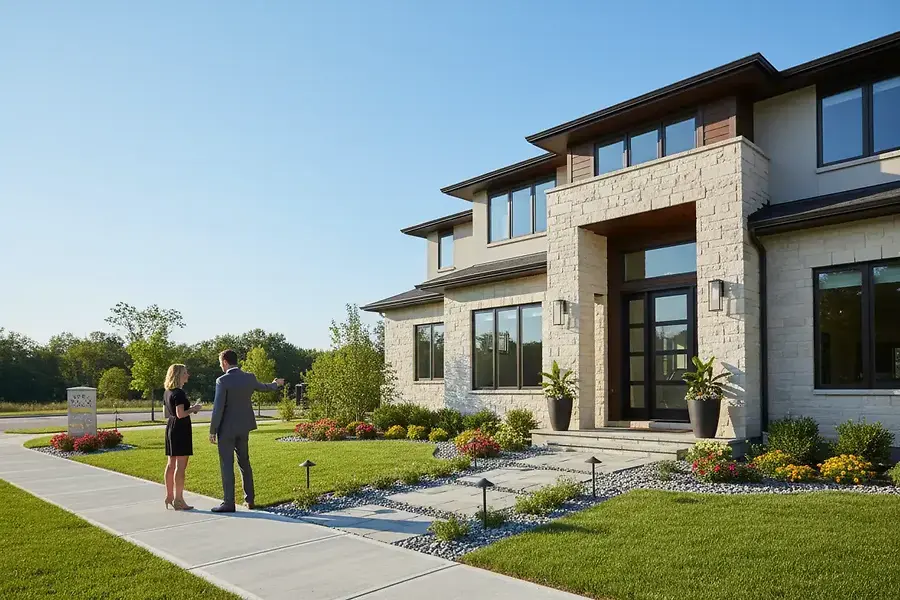
First impressions matter enormously. Curb appeal is your home's first handshake with potential buyers. Ensure your landscaping is well-maintained, the front entrance is inviting, and the exterior is clean and well-lit.
Inside, declutter and depersonalize spaces. Remove family photos, excessive decorations, and personal items that might distract buyers. Neutral colors and minimal furnishings help buyers envision themselves living in the space.
- Deep clean every room, including often-overlooked areas like baseboards and light fixtures
- Arrange furniture to highlight room flow and functionality
- Use strategic lighting to create warmth and spaciousness
- Add fresh flowers or subtle scents to create positive associations
- Ensure all repairs are completed before showings
Strategic Marketing Approaches
In today's digital-first market, online presence is critical. High-quality photography and virtual tours are non-negotiable. Professional photos showcase your home's best angles and lighting, while 3D tours allow buyers to explore at their convenience.
Leverage multiple marketing channels:
- Major real estate websites and MLS listings
- Social media platforms for broader reach
- Targeted email campaigns to local buyer databases
- Open houses and private showings
- Neighborhood-specific marketing materials
Closing the Sale and Negotiating Offers
Once offers start arriving, your pricing strategy proves its worth. A well-priced home typically generates multiple offers, giving you negotiating power and options.
Evaluating Offers Strategically
Don't focus solely on the highest number. Consider the terms and conditions of each offer:
- Contingencies: Fewer contingencies mean less risk. Offers contingent on inspection or appraisal carry more uncertainty.
- Earnest Money: Larger deposits indicate serious, committed buyers.
- Timeline: Closing dates that align with your needs reduce complications.
- Financing: Cash offers or pre-approved financing are more reliable than conditional funding.
Negotiation Best Practices
Remain professional and objective throughout negotiations. Your real estate agent should handle most communication, maintaining emotional distance from the process. Be prepared to negotiate on price, closing costs, repairs, and timeline.
Know your walk-away point. Determine your minimum acceptable price before negotiations begin. This prevents emotional decision-making and ensures you don't accept an offer below your threshold.
If you receive multiple offers, you may counter multiple buyers simultaneously, creating competitive pressure that often results in better terms. However, be transparent about your intentions and follow all legal requirements.
Final Thoughts on Selling Success
Selling your Lynwood home successfully requires a combination of market knowledge, strategic pricing, effective presentation, and skilled negotiation. By understanding your local market, conducting thorough comparisons, staging your home professionally, and evaluating offers carefully, you position yourself for a successful sale that maximizes your return.
Consider working with an experienced local real estate agent who understands Lynwood's unique market dynamics. Their expertise, combined with your commitment to these strategies, creates the ideal formula for selling your home quickly and profitably.


