Selling Your Magnolia Home: Expert Pricing Strategies That Attract Qualified Buyers
Master the art of pricing your Magnolia, TX property competitively to attract qualified buyers and maximize your sale price.

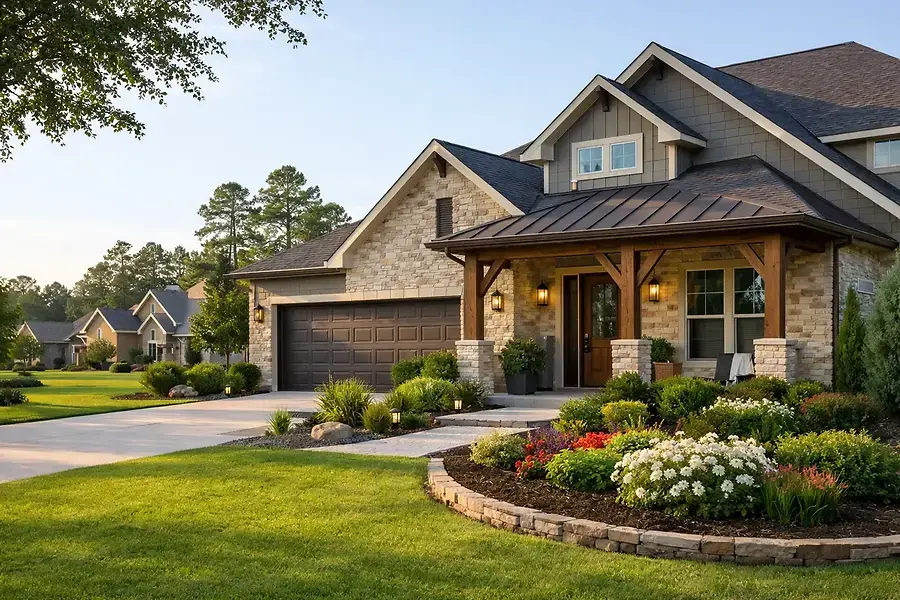
Understanding Magnolia's Current Real Estate Market Dynamics
The Magnolia, Texas real estate market presents unique opportunities for home sellers who understand its current landscape. Located in northwest Houston, Magnolia has experienced steady growth and development, making it an increasingly attractive destination for homebuyers seeking suburban living with convenient access to urban amenities.
The market in Magnolia is characterized by strong demand from families and professionals relocating to the Houston area. Properties in this region tend to appreciate steadily, and inventory levels remain competitive. Understanding these dynamics is crucial before listing your home, as it directly impacts the pricing strategy you should employ.
Market Trends and Buyer Behavior
Today's Magnolia buyers are increasingly sophisticated and informed. They conduct extensive research before making offers, comparing properties across multiple platforms and neighborhoods. This means your pricing strategy must be data-driven and competitive from day one. Homes priced correctly attract multiple offers within the first two weeks of listing, while overpriced properties languish on the market.
The average time on market for homes in Magnolia has remained relatively short, indicating strong buyer interest. However, this advantage only applies to properties priced appropriately for their condition, location, and features.
Key Factors That Influence Home Pricing in Magnolia
Location and Neighborhood Characteristics
Not all Magnolia properties are created equal. Your home's specific location within Magnolia significantly impacts its value. Properties near top-rated schools, established neighborhoods, and convenient shopping areas command premium prices. Proximity to major highways and employment centers also plays a crucial role in determining market value.
- School District Quality: Homes in areas served by highly-rated schools typically sell for 10-15% more than comparable properties in lower-rated districts
- Neighborhood Amenities: Access to parks, recreational facilities, and community centers adds measurable value
- Commute Accessibility: Proximity to major employers and highways increases buyer appeal
- Development Potential: Areas with planned commercial or residential development may see appreciation
Property Characteristics and Condition
The physical attributes of your home are fundamental pricing factors. A well-maintained home in excellent condition will command significantly higher prices than a similar property requiring repairs or updates.
Critical pricing factors include:
- Square footage and lot size
- Age and structural condition of the home
- Number of bedrooms and bathrooms
- Kitchen and bathroom updates
- Roof condition and HVAC systems
- Curb appeal and landscaping
- Energy efficiency features
Comparable Market Analysis (CMA)
The most reliable pricing tool available to sellers is a comprehensive Comparable Market Analysis. This analysis examines recently sold properties in your area with similar characteristics to determine fair market value. A professional CMA considers:
Properties that sold within the last 90 days in your immediate neighborhood and surrounding areas, adjusted for differences in condition, size, and features.
Rather than relying on online estimates, which can be inaccurate, work with a real estate professional to conduct a thorough CMA. This data-driven approach ensures your pricing is grounded in actual market transactions.
Proven Pricing Strategies for Faster Sales and Better Returns
The Strategic Pricing Advantage
One of the most effective pricing strategies is strategic underpricing—pricing your home slightly below market value to generate immediate buyer interest and multiple offers. This approach often results in a higher final sale price than homes priced at or above market value, because competitive bidding drives prices up.
When multiple qualified buyers compete for your property, you gain negotiating power. This strategy works particularly well in Magnolia's active market where buyer demand remains strong.
Psychological Pricing Techniques
Price psychology plays a significant role in buyer perception. A home priced at $449,900 feels substantially different from one priced at $450,000, even though the difference is minimal. Using price points that end in 9 or 0 creates psychological anchors that influence buyer perception and search results.
Effective pricing examples:
- Price at $449,900 rather than $450,000
- Use $399,900 instead of $400,000
- Consider $524,900 for homes in the $525,000+ range
Timing and Market Positioning
The timing of your listing and your pricing strategy should work together. Homes listed during peak buying seasons (spring and early summer) with competitive pricing sell faster and for higher prices. However, even during slower seasons, correctly priced homes attract serious buyers.
Position your home as a value in the market. Buyers actively search for properties priced below market value, viewing them as opportunities. Your pricing strategy should communicate value while remaining realistic about your home's actual worth.
Flexibility and Adjustment Strategy
Your initial pricing isn't permanent. Monitor buyer response carefully during the first two weeks of listing. If you receive multiple offers immediately, your pricing was likely too low. If you receive no offers after two weeks, your pricing may be too high.
Be prepared to adjust your price strategically if market response indicates a need. Small price reductions of $5,000-$10,000 can reignite buyer interest without signaling desperation.
Highlighting Value Through Pricing
Consider pricing your home to highlight specific value propositions. If your home has recently updated systems, energy-efficient features, or premium finishes, your pricing should reflect these improvements. Conversely, if your home requires updates, price accordingly to attract investors or buyers willing to renovate.
Value-based pricing considerations:
- Recent renovations justify premium pricing
- Energy-efficient upgrades add measurable value
- Smart home technology appeals to modern buyers
- Outdoor living spaces command price premiums
- Properties requiring work should be priced for the market value of comparable updated homes minus renovation costs
Conclusion: Taking Action to Price Your Home for Success
Pricing your Magnolia home correctly is the single most important factor in achieving a successful sale. The right price attracts qualified buyers, generates competitive offers, and maximizes your return on investment. The wrong price wastes time and leaves money on the table.
Begin by conducting a thorough Comparable Market Analysis with a qualified real estate professional who understands Magnolia's specific market dynamics. Consider your home's unique characteristics, location advantages, and current condition. Implement strategic pricing techniques that position your property competitively while generating buyer interest.
Remember that pricing is not a one-time decision but an ongoing strategy. Monitor buyer response, remain flexible, and adjust your approach based on market feedback. By combining data-driven analysis with proven pricing strategies, you'll attract qualified buyers and achieve the best possible outcome for your Magnolia home sale.
Take action today: Schedule a professional market analysis, review comparable sales in your area, and develop a pricing strategy that positions your home for success in Magnolia's competitive real estate market.


