Selling Your Memphis Home: Essential Pricing Strategies for Maximum Value
Learn how to position your property competitively in Memphis's evolving real estate market and attract qualified buyers.

Understanding Current Memphis Market Conditions and Comparable Sales
The Memphis real estate market has experienced significant evolution in recent years, making it essential for sellers to understand current conditions before listing their properties. To position your home competitively, you must first grasp the dynamics of your local market and how comparable properties are performing.
Analyzing Market Trends
Memphis's real estate landscape reflects broader economic patterns, with neighborhoods experiencing varying levels of demand and appreciation. Research recent sales data in your specific area to understand whether you're in a buyer's or seller's market. This information directly impacts your pricing strategy and negotiation approach.
Key factors to monitor include:
- Average days on market for similar properties
- Recent price trends in your neighborhood
- Inventory levels and supply-demand balance
- Economic indicators affecting buyer confidence
Conducting Comparative Market Analysis
A thorough comparative market analysis (CMA) is your foundation for pricing success. Work with a knowledgeable real estate agent who understands Memphis neighborhoods intimately. They should provide detailed comparisons of recently sold properties that are similar to yours in size, condition, age, and location.
Don't rely solely on online estimates—these tools provide starting points but lack the nuance of local expertise. Your agent should identify 3-5 comparable properties that sold within the last 90 days, adjusting for differences in square footage, lot size, condition, and amenities.
Strategic Pricing Techniques to Maximize Your Home's Value
Pricing your home correctly is perhaps the most critical decision you'll make as a seller. An overpriced home sits on the market, while an underpriced home leaves money on the table.
The Psychology of Pricing
Strategic pricing goes beyond simple mathematics. Psychological pricing techniques can significantly influence buyer perception and behavior. Consider pricing your home just below psychological price points—for example, $299,900 instead of $300,000. This subtle difference can generate more buyer interest and showings.
Additionally, pricing slightly below market value can trigger multiple offers, creating competitive bidding that ultimately drives your final sale price higher. This strategy works particularly well in neighborhoods with strong demand.
Adjusting for Home Condition and Features
Your home's condition directly impacts its value. Be honest about necessary repairs and upgrades. Rather than pricing your home as if it were in perfect condition, factor in the cost of needed improvements. Buyers will conduct inspections and adjust their offers accordingly.
Conversely, highlight unique features and recent upgrades:
- Updated HVAC or electrical systems
- New roof or foundation work
- Energy-efficient windows and insulation
- Modern kitchen or bathroom renovations
- Hardwood floors or premium flooring
Timing Your Price Adjustments
If your home doesn't generate expected interest within the first two weeks, don't immediately panic. However, be prepared to adjust your pricing strategy. Market feedback is valuable—if you're receiving few showings, your price may be too high. A strategic price reduction can reinvigorate buyer interest and position your home as a fresh listing.
Marketing and Presentation Tips to Stand Out to Buyers
Even the most competitively priced home won't sell without effective marketing. In today's digital-first market, your online presence is crucial.
Professional Photography and Virtual Tours
Invest in professional photography—it's one of the best returns on investment for home sellers. High-quality images are the first impression most buyers will have of your property. Ensure photos are taken in natural light, with decluttered spaces and staged rooms.
Virtual tours and 3D walkthroughs have become essential tools. Many buyers begin their search online and may never visit a property that doesn't have compelling digital presentation. These tools significantly increase qualified showings.
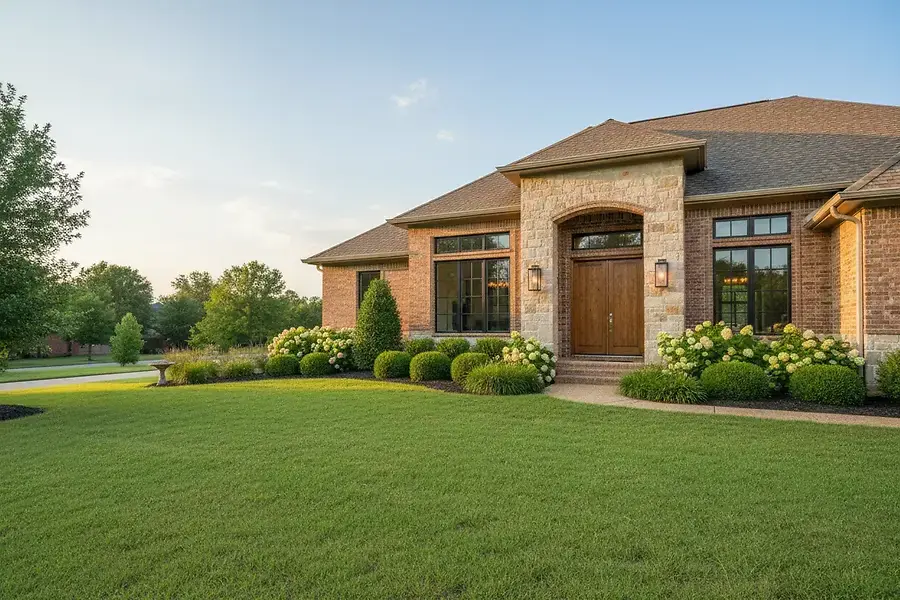
Curb Appeal and First Impressions
Your home's exterior is the first thing buyers see. Focus on:
- Fresh landscaping and maintained lawn
- Clean, well-maintained front entrance
- Updated house numbers and mailbox
- Pressure-washed driveway and walkways
- Fresh exterior paint if needed
Strategic Home Staging
Staging isn't about making your home look like a showroom—it's about helping buyers envision themselves living there. Declutter spaces, neutralize bold colors, and arrange furniture to highlight room flow and natural light. Remove personal items like family photos that might distract buyers.
Closing Strong: Negotiation and Final Steps to Sale
Once you've attracted interested buyers, the negotiation phase begins. Your pricing strategy and market positioning directly influence your negotiating power.
Understanding Offer Evaluation
Price isn't the only factor in evaluating offers. Consider the buyer's financing, contingencies, and timeline. A slightly lower offer with fewer contingencies and a quick closing might be preferable to a higher offer with extensive conditions.
Work closely with your agent to understand each offer's true value. Some buyers may request seller concessions for closing costs or repairs—evaluate whether these requests are reasonable given current market conditions.
Negotiation Strategies
If you receive multiple offers, this is your strongest negotiating position. Set a deadline for best and final offers to encourage buyers to present their strongest proposals. In a single-offer situation, be prepared to negotiate thoughtfully while maintaining your bottom-line requirements.
Common negotiation points include:
- Final sale price
- Requested repairs or credits
- Closing timeline
- Included fixtures and appliances
- Earnest money and contingencies
Final Steps to Closing
Once you've accepted an offer, maintain momentum toward closing. Respond promptly to inspection requests, appraisal requirements, and documentation needs. Any delays can jeopardize the sale or give buyers reasons to renegotiate.
Ensure your home remains in the condition represented during showings. Schedule the final walkthrough carefully, and be prepared to address any last-minute concerns the buyer raises.
Selling your Memphis home successfully requires a combination of strategic pricing, effective marketing, and skilled negotiation. By understanding your market, positioning your property competitively, and presenting it professionally, you'll maximize your home's value and attract qualified buyers ready to make an offer.


