Selling Your Minneapolis Home: Pricing Strategies for Maximum Profit
Learn the proven methods top Minneapolis real estate agents use to price homes competitively and attract serious buyers in today's market.

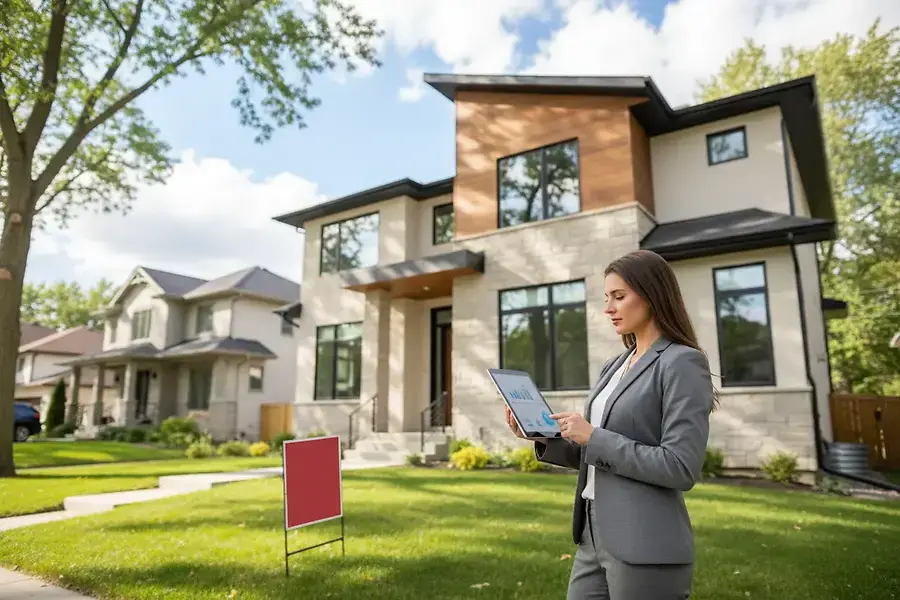
Understanding the Minneapolis Real Estate Market Dynamics
The Minneapolis real estate market is a dynamic and competitive landscape that requires careful attention to current trends and buyer behavior. Before listing your home, it's essential to understand the factors that influence property values in your area. The market has shown resilience with steady demand from both first-time homebuyers and investors looking to capitalize on the region's growth.
Several key factors shape the Minneapolis market:
- Neighborhood desirability – Proximity to parks, schools, and employment centers significantly impacts property values
- Inventory levels – The number of homes available for sale affects pricing power and buyer competition
- Economic indicators – Job growth and population trends in the Twin Cities region influence demand
- Seasonal patterns – Spring and summer typically see higher buyer activity than fall and winter
- Interest rates – Mortgage rates directly affect buyer purchasing power and market activity
Understanding these dynamics helps you position your home strategically and price it appropriately for maximum appeal and profit potential.
Comparative Market Analysis and Pricing Your Home Correctly
The Power of Comparative Market Analysis (CMA)
A Comparative Market Analysis is the foundation of accurate home pricing. This analysis examines recently sold properties in your neighborhood that are similar to your home in size, condition, and features. Top Minneapolis real estate agents use CMA data to establish a realistic and competitive price that attracts buyers while maximizing your profit.
When conducting a CMA, consider these critical factors:
- Sale prices of comparable homes sold within the last 90 days
- Days on market for similar properties
- List price versus final sale price ratios
- Property condition and recent upgrades
- Square footage, lot size, and number of bedrooms and bathrooms
Avoiding Common Pricing Mistakes
Many homeowners make costly errors when pricing their properties. Overpricing is the most common mistake, leading to extended time on the market and reduced buyer interest. Conversely, underpricing leaves money on the table and can raise red flags for potential buyers.
Pro Tip: Price your home within 1-3% of its true market value to attract serious buyers while maintaining maximum profit potential. This sweet spot encourages offers while demonstrating confidence in your property's value.
Work with an experienced Minneapolis real estate agent who has access to current MLS data and can provide objective pricing recommendations based on market conditions rather than emotional attachment to your home.
Strategic Positioning to Attract Quality Buyers
Pricing as a Marketing Tool
Strategic pricing goes beyond simply setting a number—it's a powerful marketing tool that positions your home competitively. A well-priced home generates more showings, creates buyer urgency, and often results in multiple offers, which can drive the final sale price higher.
Consider these strategic pricing approaches:
- Competitive pricing – Price slightly below comparable homes to generate immediate interest and showings
- Psychological pricing – Use price points like $349,900 instead of $350,000 to appeal to buyer search parameters
- Value-based pricing – Highlight recent renovations and upgrades to justify premium pricing
- Market-responsive pricing – Adjust your price based on market feedback and showing activity
Enhancing Your Home's Appeal Beyond Price
While pricing is crucial, the overall presentation of your home matters equally. A strategically priced home combined with excellent curb appeal, professional staging, and quality photography creates an irresistible package for buyers.
Focus on these enhancement strategies:
- Professional home inspection to identify and address issues before listing
- Strategic repairs and updates that provide strong return on investment
- Professional photography and virtual tours to showcase your home's best features
- Effective marketing across multiple platforms to reach qualified buyers
- Flexible showing schedules to accommodate serious buyer inquiries
Monitoring Market Response
After listing your home, monitor buyer feedback and showing activity closely. If your home receives few showings or inquiries, it may be priced too high for the current market. Conversely, multiple offers suggest your pricing strategy is working effectively.
Top agents recommend reviewing your pricing strategy every 7-10 days during the first month on the market. Be prepared to adjust your price based on market response rather than waiting weeks for results. This proactive approach keeps your home competitive and maintains buyer interest.
Conclusion: Maximizing Your Home's Market Value
Selling your Minneapolis home successfully requires a strategic approach to pricing that balances market realities with profit maximization. By understanding local market dynamics, conducting thorough comparative market analysis, and positioning your home competitively, you can attract serious buyers and achieve your financial goals.
The most successful home sales result from a combination of accurate pricing, excellent presentation, and responsive market management. Partner with an experienced Minneapolis real estate agent who understands the local market, has access to current data, and can guide you through the pricing process with objectivity and expertise.
Remember: The right price at the right time attracts the right buyers. By implementing these proven strategies, you'll maximize your home's market value and achieve a successful sale in the competitive Minneapolis real estate market.


