Selling Your New York Home: Complete Strategy Guide for 2026
Learn the proven tactics New York real estate agents use to maximize your home's value and close faster in today's competitive market.

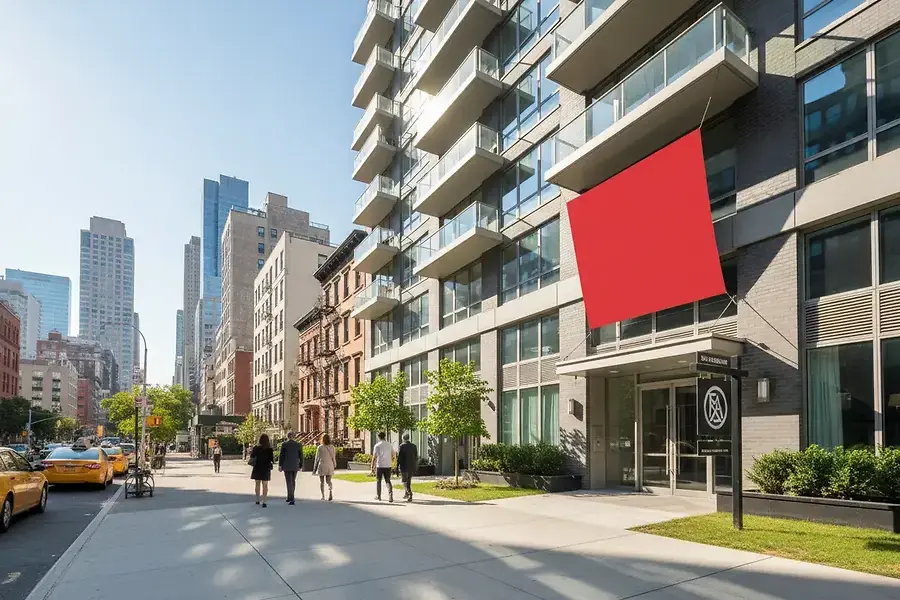
Understanding the Current New York Real Estate Market
The New York real estate market remains one of the most dynamic and competitive in the nation. Before listing your property, it's crucial to understand the current landscape and what buyers are looking for in your neighborhood.
Market Conditions and Trends
The market has evolved significantly, with buyers becoming more selective and informed than ever. Inventory levels, buyer demand, and pricing trends vary considerably between boroughs and neighborhoods. Manhattan continues to attract international buyers, while Brooklyn and Queens have seen increased interest from families seeking more space and value.
Key factors influencing the market include:
- Interest rates and mortgage availability
- Economic conditions and employment trends
- School district ratings and proximity to amenities
- Transportation access and commute times
- Neighborhood development and gentrification patterns
Competitive Analysis
Understanding your competition is essential. Research comparable properties in your area that have sold recently. Look at their listing prices, days on market, and final sale prices. This data will inform your pricing strategy and help you identify what makes your property unique.
Preparing Your Home for Maximum Appeal and Showings
First impressions matter tremendously in New York's competitive market. A well-prepared home can command higher offers and sell faster.
Curb Appeal and Exterior
Your home's exterior is the first thing potential buyers see. Ensure your entrance is clean, well-lit, and inviting. Fresh paint on the front door, clean windows, and well-maintained landscaping can significantly impact buyer perception. In New York apartments and townhouses, this might mean ensuring the building entrance is pristine and the unit number is clearly visible.
Interior Staging and Presentation
Strategic staging can increase perceived value and help buyers envision themselves in your space. Consider these essential steps:
- Declutter and remove personal items to create a neutral canvas
- Deep clean every room, including often-overlooked areas like baseboards and light fixtures
- Arrange furniture to maximize space and flow
- Use neutral colors and minimal décor to appeal to diverse buyers
- Ensure adequate lighting throughout the property
- Address any visible repairs or maintenance issues
Professional Photography and Virtual Tours
In today's market, most buyers begin their search online. Professional photography is not optional—it's essential. High-quality images and virtual tours can dramatically increase showings and buyer interest. Consider investing in drone photography for properties with outdoor space or unique architectural features.
Pricing Strategies and Negotiation Tactics That Work in NYC
Pricing your home correctly is one of the most critical decisions you'll make. Price too high, and you'll scare away buyers; price too low, and you'll leave money on the table.
Determining the Right Price
Work with an experienced real estate agent to conduct a comprehensive market analysis. This should include recent comparable sales, current listings, and properties that didn't sell. Your agent should provide a detailed comparative market analysis (CMA) that justifies the recommended price.
Consider these pricing factors specific to New York:
- Neighborhood desirability and recent price trends
- Building amenities and maintenance fees (for condos and co-ops)
- Unit size, layout, and condition
- Views, natural light, and outdoor space
- Proximity to transit, schools, and cultural institutions
Strategic Negotiation Tactics
Once offers start coming in, negotiation becomes critical. The first offer isn't always the best offer. Consider these strategies:
Create urgency through strategic marketing and open houses, but don't appear desperate. Multiple offers can drive up the final price and create competition among buyers.
When evaluating offers, look beyond the purchase price. Consider:
- Contingencies and inspection periods
- Financing terms and down payment percentage
- Closing timeline and flexibility
- Earnest money deposit amount
- Seller concessions and closing cost contributions
Handling Multiple Offers
In a competitive market, multiple offers are common. Your agent should help you evaluate each offer objectively and negotiate the best terms. Sometimes a lower offer with fewer contingencies is preferable to a higher offer with significant conditions.
Closing the Sale: Timeline, Documents, and Final Steps
The closing process in New York involves several important steps and typically takes 30-60 days from accepted offer to final closing.
The Closing Timeline
Understanding the timeline helps you prepare and avoid delays. After your offer is accepted, the following typically occurs:
- Days 1-7: Buyer arranges financing and inspection
- Days 8-21: Appraisal is completed and title search is conducted
- Days 22-45: Loan approval and final walkthrough
- Days 46-60: Final closing preparations and document signing
Essential Documents and Requirements
New York requires specific documents for closing. Your attorney will handle most of these, but you should be aware of:
- Deed and title documents
- Property disclosure statements
- Building documents (for condos and co-ops)
- Certificate of occupancy
- Tax records and utility statements
- Homeowners association documents (if applicable)
Final Walkthrough and Closing Day
Before closing, conduct a final walkthrough to ensure the property is in the agreed-upon condition and all agreed-upon repairs have been completed. This is your last opportunity to address any issues.
On closing day, you'll sign documents, receive the proceeds from the sale, and transfer ownership. Have your attorney review all documents carefully. After signing, the deed is recorded, and the sale is officially complete.
Post-Sale Considerations
After closing, remember to:
- Update your address with the post office and relevant institutions
- Transfer utilities and services
- Provide forwarding information to the new owner
- Consult with a tax professional about capital gains implications
Selling your New York home successfully requires preparation, strategic pricing, and expert guidance. By following these proven tactics and working with experienced professionals, you can maximize your home's value and close your sale efficiently in today's competitive market.


