Selling Your Pittsburgh Home: Master Pricing Strategies for Maximum Profit
Master the art of home valuation and attract serious buyers with data-driven pricing techniques tailored to Pittsburgh's competitive market.

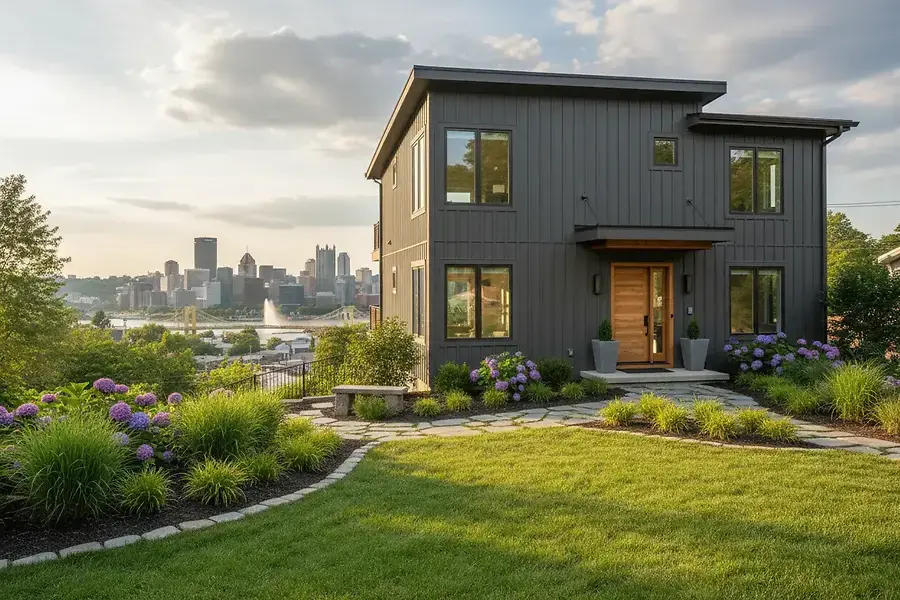
Understanding Pittsburgh's Current Real Estate Market Conditions
Pittsburgh's real estate market has evolved significantly, presenting both opportunities and challenges for home sellers. The Steel City's market is characterized by steady demand, diverse neighborhoods, and a growing population of young professionals and families seeking affordable urban living. Understanding these conditions is crucial before listing your property.
The current market reflects a balanced approach between buyer and seller interests. Unlike the extreme seller's markets of recent years, today's Pittsburgh market rewards sellers who price strategically and present their homes effectively. Inventory levels have stabilized, meaning your home will face competition, but strong demand from qualified buyers remains consistent.
Market Dynamics Affecting Your Sale
Several factors shape Pittsburgh's real estate landscape:
- Neighborhood Diversity: Pittsburgh's distinct neighborhoods—from Shadyside to Lawrenceville—each have unique market values and buyer demographics
- Economic Growth: Tech companies and healthcare institutions continue expanding, attracting relocating professionals
- Inventory Levels: Moderate supply ensures your home gets noticed without excessive competition
- Interest Rates: Current lending conditions influence buyer purchasing power and motivation
Key Factors That Determine Your Home's Value in Pittsburgh
Pricing your home correctly requires understanding the specific elements that Pittsburgh buyers value most. A professional appraisal provides a baseline, but strategic sellers dig deeper into what drives local demand.
Location and Neighborhood Prestige
Location remains the primary value driver in Pittsburgh. Homes in established neighborhoods with strong schools, walkability, and community amenities command premium prices. Consider factors like proximity to downtown, public transportation access, and neighborhood trajectory. Emerging neighborhoods often offer better value appreciation potential.
Property Condition and Age
Pittsburgh's housing stock includes both historic charm and modern construction. Buyers appreciate well-maintained older homes with original character, but they also value updated systems. Recent renovations—particularly kitchen and bathroom updates, roof replacements, and HVAC improvements—significantly impact value. Be prepared to highlight these investments.
Comparable Sales Analysis
Comparable sales (comps) are your pricing foundation. Analyze recent sales of similar homes in your neighborhood within the last 90 days. Look for properties with comparable square footage, lot size, condition, and features. This data-driven approach prevents overpricing, which is the #1 reason homes sit on the market.
Market Absorption Rate
Understanding how quickly homes sell in your area helps determine optimal pricing. Neighborhoods with quick absorption rates support higher prices, while slower-moving markets require more competitive pricing to attract offers.
Strategic Pricing Techniques to Maximize Your Sale Price
Now that you understand market conditions and value drivers, implement these proven pricing strategies:
The Competitive Pricing Strategy
Price your home at or slightly below market value to generate immediate interest and multiple offers. This counterintuitive approach often results in higher final sale prices through competitive bidding. Homes priced aggressively attract more showings, creating urgency among buyers.
Psychological Pricing
Use price points that appeal to buyer psychology. A home priced at $349,900 feels significantly less expensive than $350,000, even though the difference is minimal. This technique works particularly well in competitive markets where buyers are actively comparing options.
The Value-Add Approach
If your home needs updates, consider two strategies:
- Price Lower and Let Buyers Renovate: Appeal to investors and renovators willing to handle improvements themselves
- Make Strategic Updates First: High-ROI improvements like fresh paint, landscaping, and kitchen updates often justify higher pricing
Calculate which approach maximizes your net proceeds after accounting for renovation costs.
Seasonal Pricing Adjustments
Pittsburgh's seasons influence buyer behavior. Spring and summer typically see higher demand, potentially supporting premium pricing. Winter markets move slower, requiring more competitive pricing to motivate showings. Adjust your strategy accordingly.
The Anchoring Technique
Price strategically to anchor buyer expectations. Your initial listing price sets the tone for negotiations. A well-researched, confident price point encourages serious offers, while overpricing invites lowball offers and extended market time.
Monitor and Adjust
Your pricing strategy shouldn't be static. If your home isn't generating showings after two weeks, analyze the market response. Price reductions signal desperation to some buyers, so consider strategic adjustments rather than dramatic cuts. Small, incremental reductions often work better than large drops.
Next Steps: Preparing Your Home for a Successful Sale
Pricing is only half the equation. Prepare your home to justify your asking price and attract serious buyers.
Professional Presentation Matters
Invest in professional photography and videography. High-quality images are the first impression most buyers have of your home. Virtual tours and drone photography showcase your property's best features and neighborhood context.
Curb Appeal and First Impressions
Your home's exterior is the first thing buyers see. Fresh landscaping, clean siding, updated entry doors, and well-maintained yards significantly impact perceived value. These relatively inexpensive improvements often yield strong returns.
Stage for Success
Declutter, depersonalize, and arrange furniture to highlight space and flow. Staging helps buyers envision themselves in your home. Consider hiring a professional stager—the investment typically returns multiples in final sale price.
Work with a Local Expert
A knowledgeable Pittsburgh real estate agent brings invaluable market insights, pricing expertise, and buyer networks. They understand neighborhood nuances, local buyer preferences, and effective marketing strategies. Their commission is typically recouped through better pricing and faster sales.
Be Ready to Negotiate
Even with perfect pricing, negotiations are part of the process. Understand your walk-away price, be flexible on non-essential items, and focus on maximizing your net proceeds rather than the headline sale price.
Selling your Pittsburgh home successfully requires combining market knowledge, strategic pricing, and excellent presentation. By understanding local conditions, analyzing comparable sales, and implementing proven pricing techniques, you'll attract serious buyers and maximize your profit. Take time to prepare properly—the effort invested upfront pays dividends at closing.


