Selling Your Plymouth Home: Market Timing and Price Strategy
Learn how to position your home competitively and maximize your sale price in today's Plymouth real estate market.

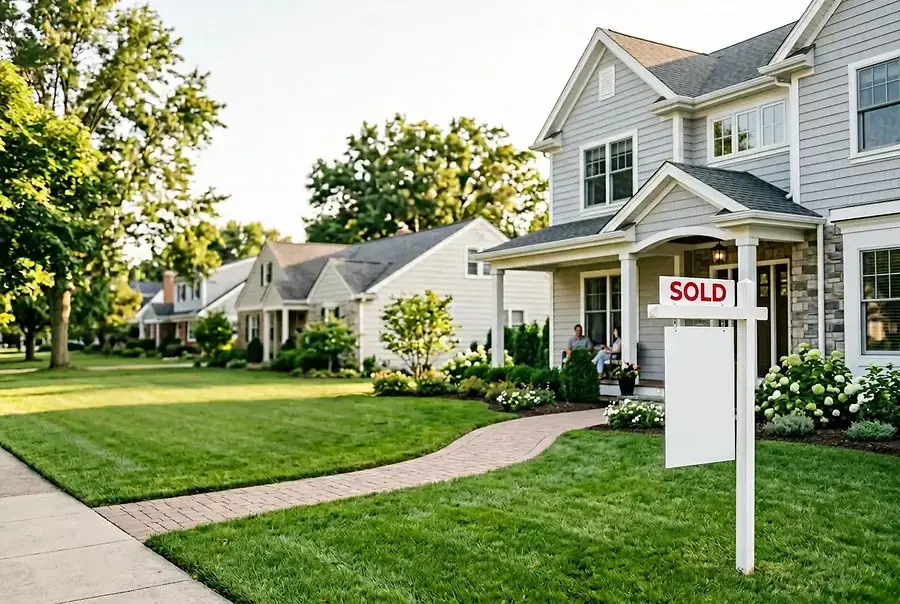
Understanding Current Plymouth Market Conditions and Buyer Trends
The Plymouth real estate market is experiencing dynamic shifts that directly impact how you should approach selling your home. Today's buyers are more informed than ever, armed with market data and high expectations for value. Understanding these conditions is the first step toward a successful sale.
Current market trends show that buyer preferences have evolved significantly. Modern homebuyers prioritize energy efficiency, updated systems, and move-in ready conditions. The inventory levels in Plymouth remain competitive, meaning homes that stand out sell faster and at better prices. Seasonal factors also play a crucial role—spring and early summer typically see increased buyer activity, though serious buyers are active year-round.
Key Market Indicators to Monitor
- Days on Market (DOM): Track how long comparable homes take to sell in your neighborhood
- Price-to-List Ratio: Understand what percentage of asking price homes are actually selling for
- Inventory Levels: Determine whether it's a buyer's or seller's market in your area
- Buyer Demographics: Identify who is buying in Plymouth—families, first-time buyers, or investors
Working with a local real estate professional who understands these nuances can provide invaluable insights specific to your neighborhood and property type.
Pricing Your Home Correctly: Data-Driven Strategies for Maximum Value
Pricing is arguably the most critical decision you'll make when selling your home. An overpriced home sits on the market longer and may eventually sell for less than a properly priced home. Conversely, underpricing leaves money on the table.
Conducting a Comparative Market Analysis (CMA)
A thorough CMA examines recently sold homes in your area with similar characteristics. Look at:
- Square footage and lot size
- Age and condition of the property
- Number of bedrooms and bathrooms
- Special features and upgrades
- Location and proximity to amenities
This data-driven approach removes emotion from pricing decisions and positions your home competitively. Don't rely solely on what you paid for the home or what you need to make—focus on what the market will bear.
Strategic Pricing Techniques
Psychological pricing can be surprisingly effective. A home priced at $449,900 often attracts more interest than one priced at $450,000, even though the difference is minimal. This pricing strategy can generate more showings and competitive offers.
Consider pricing slightly below market value if you want to generate multiple offers and create bidding competition. This approach often results in a final sale price that exceeds what you might have achieved with a higher initial asking price.
Preparing Your Home for Sale: Key Improvements That Attract Buyers
First impressions matter tremendously in real estate. Homes that are well-prepared and visually appealing sell faster and command higher prices.
Curb Appeal: Your Home's First Handshake
Before buyers step inside, they're already forming opinions based on exterior appearance. Invest in:
- Fresh landscaping and lawn maintenance
- A clean, welcoming front entrance
- Updated exterior paint or siding repairs
- Well-maintained roof and gutters
- Attractive lighting and house numbers
Interior Staging and Presentation
Staging isn't about deception—it's about helping buyers envision themselves in your home. Declutter rooms, depersonalize spaces, and highlight your home's best features. Remove family photos, excessive decorations, and items that might distract from the property itself.
Focus on these high-impact areas:
- Kitchen: Clean appliances, organized cabinets, and updated hardware make a difference
- Bathrooms: Sparkling fixtures, fresh grout, and quality towels create a spa-like feel
- Living Spaces: Neutral colors, minimal furniture, and good lighting showcase square footage
- Bedrooms: Fresh linens, organized closets, and clear floor space appeal to buyers
Strategic Repairs and Upgrades
Not all improvements offer equal returns. Focus on repairs that address buyer concerns and safety issues. A new roof, updated HVAC system, or modern kitchen can significantly impact buyer perception and offer prices. Avoid overly personalized renovations that won't appeal to a broad audience.
Closing the Deal: Negotiation Tips and Timeline Expectations
Once offers start coming in, the real negotiation begins. Understanding negotiation dynamics helps you achieve the best possible outcome.
Evaluating and Responding to Offers
Look beyond just the purchase price. Consider:
- Earnest money deposit amount
- Contingencies (inspection, appraisal, financing)
- Proposed closing timeline
- Buyer's financial pre-approval status
- Requested repairs or concessions
A lower offer with fewer contingencies might be preferable to a higher offer with multiple conditions that could derail the sale.
Negotiation Strategies
Stay professional and emotionally detached during negotiations. Your real estate agent can serve as a buffer, presenting counteroffers and managing communications. If you receive multiple offers, this creates leverage—buyers know they're competing, which often results in better terms.
"The best negotiations are those where both parties feel they've achieved their goals." Focus on finding solutions that work for everyone rather than "winning" at the buyer's expense.
Timeline Expectations
From listing to closing typically takes 30-45 days, though this varies based on market conditions and buyer circumstances. Inspection periods usually last 7-10 days, appraisals take 5-7 days, and final underwriting can take 10-14 days. Building in buffer time helps prevent last-minute stress.
Maintain your home during the selling process, keep it showing-ready, and stay flexible with scheduling. These factors can mean the difference between a smooth transaction and unnecessary complications.
Final Thoughts
Selling your Plymouth home successfully requires a combination of market knowledge, strategic pricing, thoughtful preparation, and skilled negotiation. By understanding current market conditions, pricing competitively, presenting your home attractively, and negotiating wisely, you'll position yourself for the best possible outcome. Consider partnering with an experienced local real estate professional who can guide you through each step of this important transaction.


