Selling Your Saint Paul Home: Essential Steps for Maximum Value
Master the local market dynamics and proven strategies to attract serious buyers and close faster in Saint Paul's competitive residential market.

Understanding the Saint Paul Real Estate Market: Current Conditions and Buyer Trends
The Saint Paul real estate market remains dynamic and competitive, with homeowners who understand local conditions gaining a significant advantage. The Twin Cities area continues to attract buyers seeking quality neighborhoods, excellent schools, and vibrant community amenities. Before listing your home, it's crucial to research recent sales data, average days on market, and price trends in your specific neighborhood.
Market Dynamics in Saint Paul
Saint Paul's residential market reflects strong demand from both first-time homebuyers and families seeking to upgrade. The city's diverse neighborhoods—from historic Summit Hill to trendy Lowertown—appeal to various buyer demographics. Understanding which buyer segments are most active in your area will help you position your property effectively.
Key factors influencing the market include:
- Inventory levels: Knowing whether your area has high or low inventory affects pricing strategy
- Buyer preferences: Modern amenities, energy efficiency, and outdoor space are increasingly important
- School districts: Properties in top-rated school zones command premium prices
- Proximity to employment: Commute times to downtown Minneapolis and major employers matter to buyers
Preparing Your Home for Sale: Inspection, Repairs, and Strategic Staging
First impressions matter enormously in real estate. A well-prepared home sells faster and for more money. Begin by conducting a thorough pre-listing inspection to identify any issues that could derail negotiations or reduce your home's value.
Essential Repairs and Maintenance
Address critical issues before listing. Buyers expect homes to be in good working order, and major repairs discovered during their inspection can become deal-breakers. Focus on:
- Roof condition and any signs of leaks
- HVAC system functionality and age
- Plumbing and electrical systems
- Foundation integrity and basement moisture
- Exterior paint, siding, and landscaping
Strategic Home Staging
Staging transforms your home into a buyer's dream. Remove personal items like family photos and memorabilia so buyers can envision themselves living there. Declutter ruthlessly—empty closets, clean countertops, and organized spaces make homes feel larger and more appealing.
Lighting is critical. Open all curtains and blinds to maximize natural light. Add warm, soft lighting in living areas. Fresh paint in neutral colors creates a clean canvas, while strategic furniture arrangement highlights your home's best features and flow.
Curb Appeal Matters
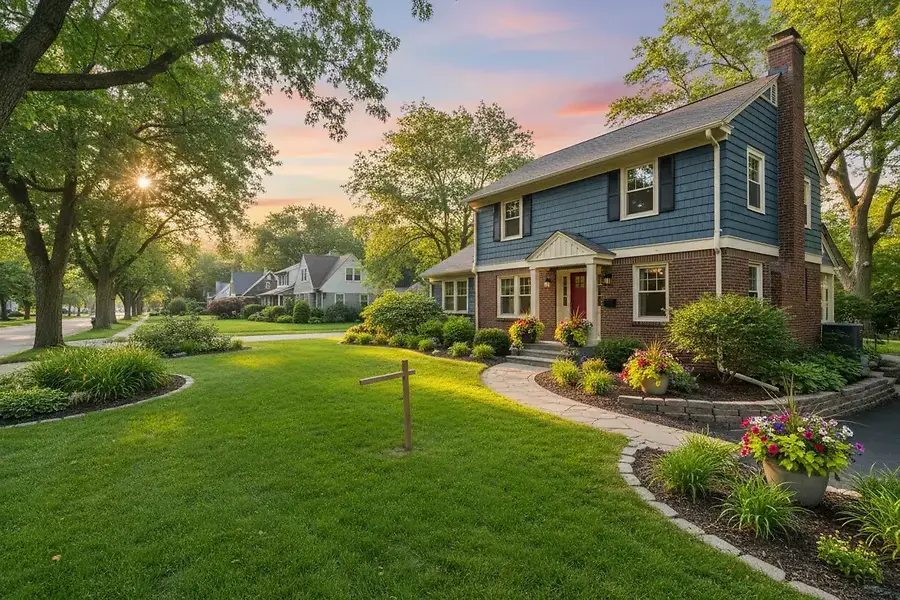
Your home's exterior is the first thing buyers see. Invest in landscaping, fresh mulch, and well-maintained lawn. A clean front door, updated house numbers, and potted plants create an inviting entrance. Power wash the driveway and walkways to remove dirt and grime.
Pricing Strategy and Marketing Your Property to Reach the Right Buyers
Pricing is perhaps the most critical decision in selling your home. Price too high, and you'll sit on the market; price too low, and you'll leave money on the table. Work with a knowledgeable real estate agent who understands Saint Paul's neighborhoods and can provide a comprehensive market analysis.
Determining the Right Price
Comparative Market Analysis (CMA) is essential. Your agent should analyze recently sold comparable properties—homes similar in size, condition, and location. Consider recent market trends, seasonal factors, and your home's unique features. In Saint Paul's competitive market, pricing strategically can generate multiple offers and drive up your final sale price.
Effective Marketing Strategies
In today's digital world, online presence is paramount. Professional photography and videography showcase your home's best features. Virtual tours and 3D walkthroughs allow buyers to explore your property from anywhere, expanding your potential buyer pool.
Leverage multiple marketing channels:
- MLS listings: Ensure detailed, compelling descriptions with all key features highlighted
- Social media: Share listings across Facebook, Instagram, and neighborhood groups
- Open houses: Host well-attended open houses to generate buyer interest and momentum
- Targeted advertising: Use digital ads to reach buyers searching for homes in your area
- Networking: Alert your agent's sphere of influence and local real estate professionals
Highlighting Unique Features
Every home has unique selling points. Whether it's original hardwood floors, a renovated kitchen, a spacious backyard, or proximity to parks and amenities, make sure these features are prominently featured in all marketing materials. Tell the story of your home and why buyers should choose it.
Navigating Negotiations and Closing the Sale Successfully
Once offers arrive, the real negotiation begins. Your agent should present all offers professionally and help you evaluate each one beyond just the purchase price. Consider contingencies, inspection timelines, closing dates, and buyer financing.
Evaluating Offers
The highest offer isn't always the best offer. A lower offer with fewer contingencies and a quick closing might be preferable to a higher offer with extensive conditions. Evaluate:
- Purchase price and earnest money deposit
- Financing contingencies and buyer's financial strength
- Inspection and appraisal contingencies
- Requested closing timeline
- Seller concessions or repair requests
Negotiation Best Practices
Stay professional and emotionally detached during negotiations. Your agent should handle communications to keep discussions objective. Be prepared to negotiate on price, repairs, closing costs, and timeline. Know your walk-away point before negotiations begin—the minimum price and terms you'll accept.
The Closing Process
Once you've accepted an offer, the closing process typically takes 30-45 days. Your agent and attorney will guide you through final inspections, appraisals, and title work. Ensure all agreed-upon repairs are completed satisfactorily. Review all closing documents carefully before signing.
Coordinate with your lender, title company, and buyer's agent to ensure a smooth closing. Address any last-minute issues promptly to avoid delays. On closing day, you'll sign final documents and receive payment for your home.
Final Thoughts
Selling your Saint Paul home successfully requires preparation, strategic pricing, effective marketing, and skilled negotiation. By understanding the local market, presenting your home in its best light, and working with experienced professionals, you'll maximize your home's value and close faster. The Saint Paul real estate market rewards sellers who approach the process strategically and professionally.