Selling Your San Antonio Home: Pricing Strategies That Actually Work
Learn proven pricing techniques that help San Antonio sellers attract qualified buyers and close deals faster in today's market.

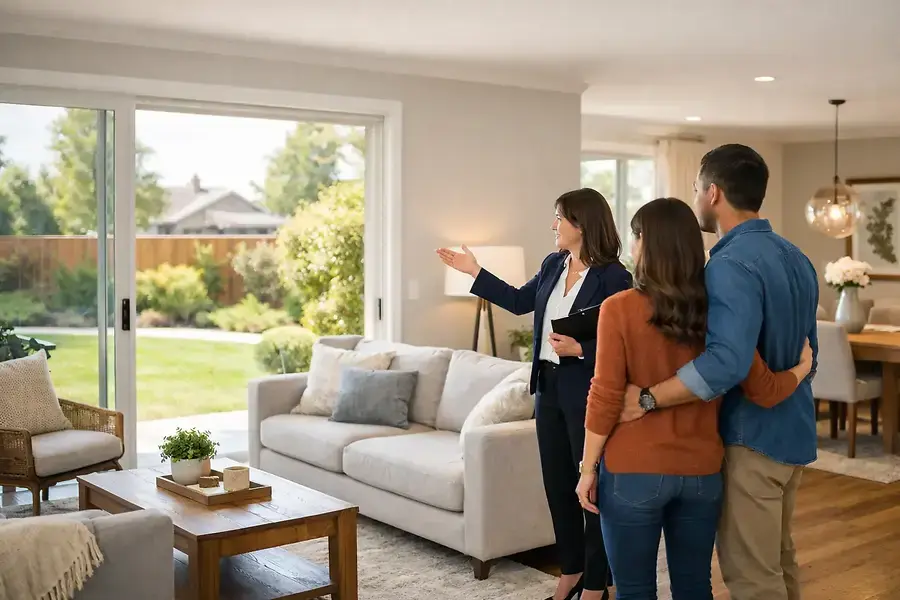
Understanding San Antonio's Current Real Estate Market Dynamics
San Antonio's real estate market continues to evolve with unique characteristics that set it apart from other Texas markets. The city's growing population, diverse neighborhoods, and strong job market create both opportunities and challenges for home sellers. Understanding these dynamics is crucial before you list your property.
The market has shifted toward a more balanced environment where both buyers and sellers have leverage. This means pricing strategy is more important than ever. Homes that are priced correctly tend to sell faster and often at higher final prices than those initially overpriced.
Key Market Factors to Consider
- Inventory Levels: Current supply and demand ratios directly impact pricing power in your neighborhood
- Days on Market: Track how long similar homes are selling in your area
- Buyer Demographics: San Antonio attracts first-time homebuyers, military families, and investors
- Seasonal Trends: Spring and early summer typically see higher buyer activity
Comparative Market Analysis: How to Price Your Home Competitively
A Comparative Market Analysis (CMA) is your foundation for pricing strategy. This analysis examines recently sold homes, active listings, and expired listings in your neighborhood to determine fair market value.
Steps to Conduct an Effective CMA
Step 1: Identify Comparable Properties
Look for homes that sold within the last 90 days in your neighborhood with similar square footage, age, condition, and features. Aim for at least 3-5 comparable sales to establish a reliable price range.
Step 2: Adjust for Differences
No two homes are identical. Account for upgrades, renovations, lot size, and location within your neighborhood. A home with a recently updated kitchen might command a 5-10% premium compared to one needing updates.
Step 3: Analyze Active and Expired Listings
Properties that didn't sell or are still on the market provide valuable insights. If homes are sitting unsold, they're likely overpriced. This helps you avoid pricing mistakes.
Pricing Strategies That Work
The Goldilocks Approach: Price your home at 95-98% of comparable sales value. This sweet spot attracts serious buyers while leaving room for negotiation. Homes priced too high sit longer; homes priced too low leave money on the table.
"The first 30 days on market are critical. Homes that are priced right from day one generate more showings and offers."
Psychological Pricing: Consider pricing at $349,900 instead of $350,000. This small difference can significantly impact buyer perception and search results.
Value-Based Pricing: If your home has unique features—a pool, updated HVAC system, or smart home technology—price accordingly. Document these improvements and their market value.
Strategic Staging and Marketing to Maximize Your Home's Appeal
Even the best price won't sell a home that doesn't show well. Strategic staging and marketing work hand-in-hand with pricing to create a compelling package for buyers.
Staging for Success
- Declutter and depersonalize spaces to help buyers envision themselves in the home
- Enhance curb appeal with fresh landscaping, a clean driveway, and an inviting entrance
- Highlight key features like natural light, storage, and open floor plans
- Use neutral colors and minimal furniture to make spaces feel larger
- Ensure all systems are functioning—working appliances, plumbing, and HVAC are non-negotiable
Marketing Your Priced-Right Home
A well-priced home deserves excellent marketing. Professional photography, virtual tours, and targeted advertising reach qualified buyers quickly.
Digital Marketing Essentials:
- High-quality photos and video tours on all major listing platforms
- Targeted social media advertising to reach San Antonio buyers
- Detailed property descriptions highlighting neighborhood amenities and home features
- Open houses and broker showings to generate immediate interest
When your home is priced correctly and marketed effectively, you'll see increased showings and offers within the first two weeks. This momentum is invaluable for creating competitive bidding situations.
Closing the Deal: Negotiation Tips for San Antonio Sellers
Pricing strategy doesn't end at listing—it continues through negotiations. How you handle offers directly impacts your final sale price and closing timeline.
Evaluating Offers Strategically
Don't focus solely on price. Consider the complete offer package:
- Earnest Money: Higher deposits indicate serious buyers
- Contingencies: Fewer contingencies mean lower risk
- Closing Timeline: Faster closings may justify accepting slightly lower offers
- Inspection Requests: Buyers requesting extensive inspections may negotiate harder later
- Financing Type: Cash offers and pre-approved buyers close more reliably
Negotiation Best Practices
Stay Emotionally Detached: Your home is personal, but this is business. Don't let emotions drive pricing decisions.
Respond Strategically to Counteroffers: If a buyer counters significantly below asking price, you can counter back or decline. A well-priced home gives you leverage.
Know Your Walk-Away Point: Establish your minimum acceptable price before negotiations begin. This prevents making decisions under pressure.
Use Your Real Estate Agent: An experienced San Antonio agent understands local market nuances and can negotiate on your behalf, often saving you thousands.
Timing Your Price Adjustments
If your home isn't generating offers after two weeks, it may be overpriced. A strategic price reduction of 2-3% can reignite buyer interest. However, avoid multiple price drops, which signal desperation to buyers.
Final Thoughts: Selling your San Antonio home successfully requires balancing competitive pricing with strategic marketing and skilled negotiation. Start with a thorough market analysis, price intelligently, stage and market effectively, and negotiate with confidence. When these elements align, you'll attract qualified buyers and close deals faster while maximizing your home's value.