Selling Your San Fernando Valley Home: A Seller's Complete Guide
Master the local market dynamics and pricing strategies to maximize your home's sale value in today's competitive real estate landscape.

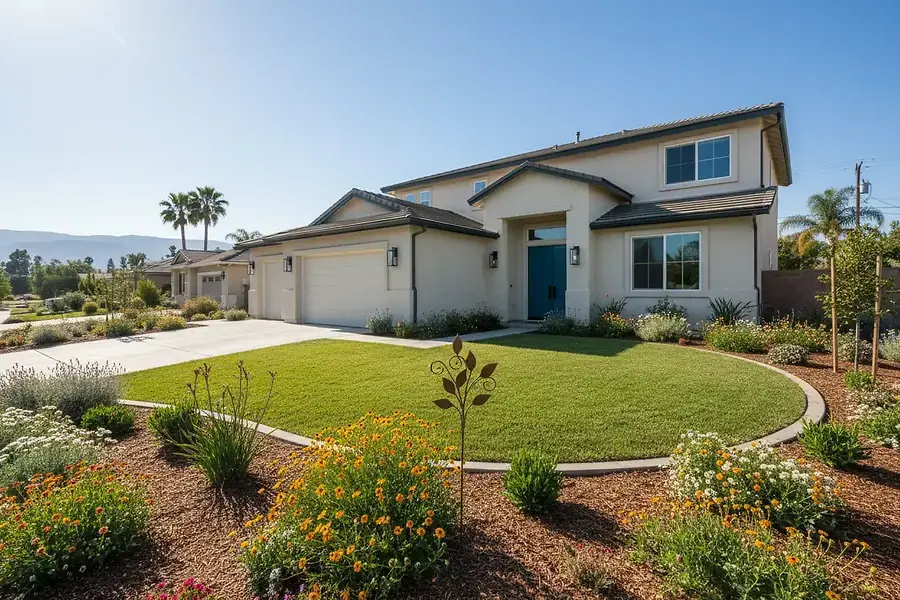
Understanding the San Fernando Valley Market Landscape
The San Fernando Valley real estate market is dynamic and multifaceted, characterized by diverse neighborhoods, varying price points, and strong buyer demand. Before listing your home, it's essential to understand the local market conditions that will directly impact your selling strategy and final sale price.
Current Market Trends and Conditions
The San Fernando Valley continues to attract buyers seeking affordable alternatives to other Los Angeles areas while maintaining excellent access to employment centers and entertainment venues. The market has shown resilience with steady appreciation rates and consistent buyer interest across residential properties. Understanding whether you're in a buyer's or seller's market will help you set realistic expectations and develop an appropriate negotiation strategy.
Neighborhood-Specific Insights
Each neighborhood within the San Fernando Valley has unique characteristics that affect property values. Consider these factors:
- School Districts: Properties in highly-rated school districts command premium prices
- Proximity to Amenities: Homes near shopping centers, parks, and restaurants attract more buyers
- Commute Times: Locations with convenient freeway access are highly desirable
- Neighborhood Safety: Crime rates and community reputation significantly influence buyer decisions
- Recent Sales Data: Comparable home sales in your area provide crucial pricing benchmarks
Preparing Your Home for Maximum Appeal and Value
First impressions matter significantly in real estate. A well-prepared home attracts more qualified buyers and often sells faster and at a higher price point. Strategic preparation involves both cosmetic improvements and functional upgrades.
Curb Appeal and Exterior Enhancements
Your home's exterior is the first thing potential buyers see. Invest in these improvements:
- Fresh exterior paint or power washing
- Landscaping updates and lawn maintenance
- New or refreshed front door and hardware
- Improved outdoor lighting
- Clean driveway and walkways
Interior Staging and Presentation
Interior staging helps buyers envision themselves living in your home. Declutter each room, remove personal items, and arrange furniture to highlight space and flow. Neutral paint colors, clean carpets, and fresh paint in key areas create a welcoming atmosphere. Consider professional staging services for significant impact on buyer perception and perceived value.
Essential Repairs and Upgrades
Address any obvious maintenance issues before listing. Buyers expect homes to be in move-in condition. Prioritize repairs that affect safety, functionality, and structural integrity. Strategic upgrades in kitchens and bathrooms often provide excellent return on investment, while cosmetic updates throughout the home enhance overall appeal.
Strategic Pricing and Marketing Techniques for Faster Sales
Pricing your home correctly is one of the most critical decisions in the selling process. An overpriced home sits on the market longer, while an underpriced home leaves money on the table.
Comparative Market Analysis
Work with your real estate agent to conduct a thorough comparative market analysis (CMA). This analysis examines recently sold properties with similar characteristics in your neighborhood. Key factors include:
- Square footage and lot size
- Age and condition of the property
- Number of bedrooms and bathrooms
- Recent upgrades and renovations
- Days on market for comparable properties
Pricing Strategies for Competitive Markets
Consider pricing your home slightly below market value to generate multiple offers and create bidding competition. This strategy often results in a higher final sale price than aggressive pricing. Alternatively, if your home has unique features or exceptional condition, premium pricing may be justified.
The goal is to attract qualified buyers quickly while maximizing your net proceeds.
Effective Marketing and Exposure
In today's digital-first market, comprehensive marketing is essential. Ensure your listing includes:
- Professional photography and virtual tours
- Detailed property descriptions highlighting key features
- Strategic placement on major real estate platforms
- Social media promotion and targeted advertising
- Open houses and private showings
- Direct outreach to local investor networks
Timing Your Sale
While the San Fernando Valley market remains relatively stable year-round, spring and early summer typically see increased buyer activity. However, less competition during fall and winter months may work to your advantage. Discuss optimal timing with your real estate agent based on current market conditions and your personal timeline.
Navigating the Closing Process and Final Steps
Once you've accepted an offer, the closing process begins. Understanding each step helps ensure a smooth transaction and protects your interests.
Inspection and Appraisal
The buyer will typically order a professional home inspection and appraisal. Be prepared for potential requests for repairs based on inspection findings. Negotiate repairs reasonably, as buyers expect homes to be in disclosed condition. The appraisal ensures the property value supports the loan amount.
Title Search and Insurance
A title search confirms you have clear ownership and identifies any liens or encumbrances. Title insurance protects both you and the buyer from future ownership disputes. Work with a reputable title company to ensure all documentation is accurate and complete.
Final Walkthrough and Closing
Conduct a final walkthrough 24 hours before closing to verify the property condition and confirm agreed-upon repairs are complete. At closing, you'll sign final documents, receive the proceeds, and transfer ownership. Have your real estate attorney review all documents to protect your interests and ensure compliance with California real estate laws.
Post-Sale Considerations
After closing, maintain the property until the buyer takes possession. Provide all keys, access codes, and documentation for appliances and systems. File final tax returns and address any capital gains considerations with your accountant. Keep records of all sale documents for future reference.
Selling your San Fernando Valley home successfully requires preparation, strategic pricing, effective marketing, and careful attention to the closing process. By following this comprehensive guide and working with experienced professionals, you'll maximize your home's value and achieve a smooth, profitable sale in today's competitive market.