Selling Your Shreveport Home: Strategic Pricing to Attract Buyers
Learn how to price your Shreveport home competitively and attract serious buyers in today's market.

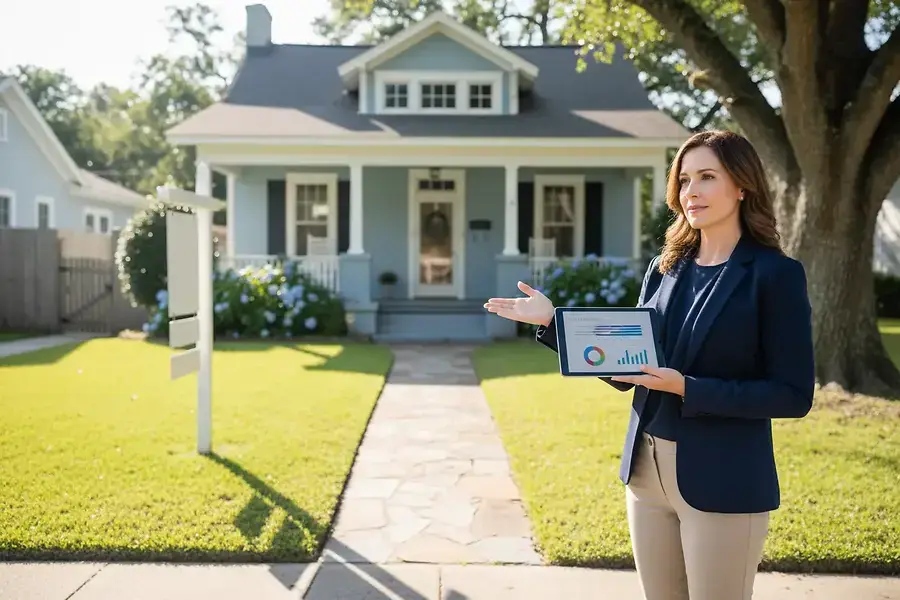
Understanding Current Market Conditions in Shreveport
The Shreveport real estate market is dynamic and constantly evolving. To successfully sell your home, you must first understand the current landscape. The market is influenced by several key factors including inventory levels, buyer demand, interest rates, and local economic conditions.
Shreveport's market has shown resilience with steady interest from both local and out-of-state buyers. The city's affordable housing compared to national averages makes it an attractive destination for families and investors alike. However, this doesn't mean you can price your home arbitrarily—strategic pricing remains essential to stand out in a competitive environment.
Key Market Indicators to Monitor
- Days on Market (DOM): How quickly homes are selling in your neighborhood
- Inventory Levels: The number of homes available for sale in your area
- Price Trends: Whether prices are appreciating, depreciating, or stabilizing
- Buyer Activity: The number of active buyers searching in Shreveport
Understanding these indicators helps you position your home appropriately. If homes are selling quickly with multiple offers, you may have more pricing flexibility. Conversely, if inventory is high and homes linger on the market, competitive pricing becomes crucial.
Comparative Market Analysis: Finding Your Home's True Value
A Comparative Market Analysis (CMA) is your most powerful tool for determining the right asking price. This analysis compares your home to recently sold properties with similar characteristics in your area.
What to Include in Your CMA
When conducting a CMA, focus on homes that are truly comparable to yours. Look for properties that have sold within the last three to six months in your neighborhood or similar areas of Shreveport.
- Square Footage: Homes within 10-15% of your home's size
- Bedrooms and Bathrooms: Matching or very similar configurations
- Age and Condition: Properties built in a similar era with comparable condition
- Location: Same neighborhood or comparable areas with similar amenities
- Special Features: Pool, garage, updated systems, or other distinctive features
Working with Real Estate Professionals
While you can research comparable sales online, working with a local real estate agent provides invaluable insight. Agents have access to Multiple Listing Service (MLS) data and understand nuances that public databases may miss. They can identify which comparable sales are truly relevant to your property and explain price variations based on market knowledge.
Pro Tip: Ask your agent to provide a detailed CMA report that explains the reasoning behind their recommended price range. This transparency helps you make an informed decision.
Strategic Pricing Strategies to Maximize Your Sale Price
Once you understand your home's market value, it's time to implement a strategic pricing approach. The goal is to attract serious buyers while maximizing your return.
The Psychology of Pricing
Pricing psychology plays a significant role in buyer perception. A home priced at $199,900 feels substantially different from one priced at $205,000, even though the difference is minimal. Strategic use of price points can make your home more appealing to buyers browsing listings.
Remember: The right price attracts qualified buyers quickly. An overpriced home may sit on the market, creating the perception that something is wrong with it, which ultimately leads to price reductions and a longer selling timeline.
Pricing Strategies to Consider
Competitive Pricing
Price your home at or slightly below market value to generate immediate interest and multiple offers. This strategy works well in competitive markets and can lead to bidding wars that drive up your final sale price.
Premium Pricing
If your home has unique features, recent upgrades, or exceptional condition, you may justify a premium price. Ensure these features are clearly highlighted in your listing and marketing materials.
Strategic Underpricing
Pricing slightly below market value can generate significant buyer interest and showings. This approach works particularly well if you want a quick sale or need to close by a specific date.
Timing Your Price Adjustments
If your home doesn't sell within the first two weeks, don't panic—but do evaluate your strategy. Monitor showings and buyer feedback carefully. If you're receiving little interest, a price adjustment may be necessary. Most successful sellers adjust prices incrementally rather than making dramatic cuts, which can signal desperation to buyers.
Marketing Your Price Point
Once you've set your price, market it effectively. Highlight what buyers get for their investment. Use phrases like "Exceptional value in desirable neighborhood" or "Priced to sell quickly." Your marketing should reinforce why your asking price represents a smart investment.
Conclusion: Taking Action to Sell Successfully
Selling your Shreveport home successfully begins with understanding the market and pricing strategically. By conducting a thorough comparative market analysis, understanding current market conditions, and implementing proven pricing strategies, you position yourself for success.
Remember that pricing is not a one-time decision. Stay flexible, monitor market feedback, and be willing to adjust your strategy as needed. The goal is to find the sweet spot where your home attracts serious, qualified buyers while maximizing your return on investment.
Ready to sell? Start by gathering comparable sales data, consulting with a local real estate professional, and setting a competitive price. Your success in the Shreveport market depends on making informed decisions from the very beginning. Take action today and position your home for a successful sale.