Selling Your South Florida Home: Pricing Strategies That Work
Master the art of competitive pricing to attract serious buyers and maximize your profit in today's Fort Lauderdale market.

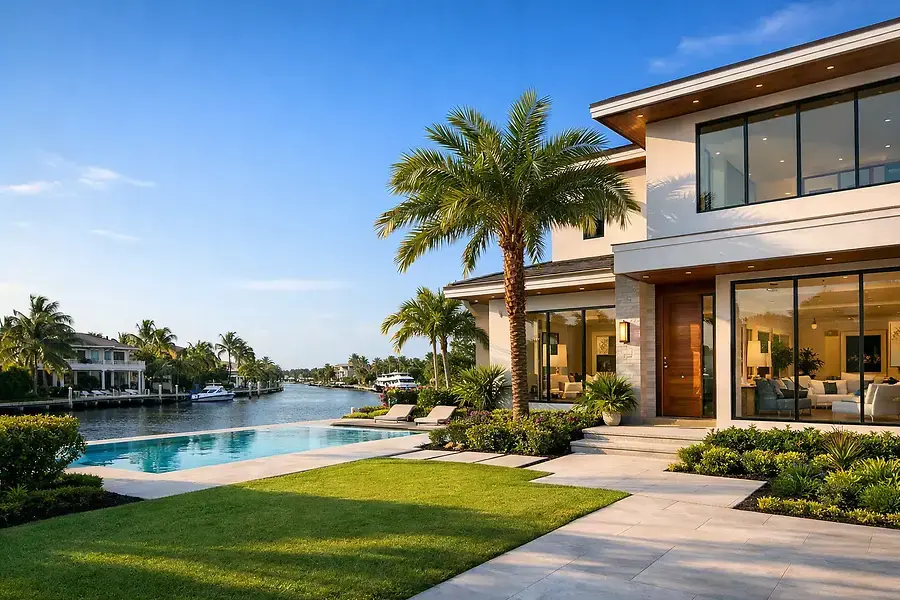
Understanding Current Market Conditions in South Florida
The South Florida real estate market remains one of the most dynamic and competitive in the nation. Fort Lauderdale, Miami, and surrounding areas continue to attract buyers from across the country and internationally, creating unique opportunities for sellers who understand the landscape.
Before setting your price, it's essential to analyze several key factors:
- Inventory Levels: Current supply of homes on the market directly impacts pricing power. Lower inventory typically favors sellers, allowing for higher asking prices.
- Days on Market: Track how long comparable properties take to sell. Faster sales indicate strong demand and justify premium pricing.
- Buyer Demographics: South Florida attracts retirees, young professionals, and international investors—each with different priorities and budgets.
- Seasonal Trends: Winter months typically see increased buyer activity as northerners seek warm-weather escapes.
- Economic Indicators: Interest rates, employment trends, and local development projects influence buyer confidence and purchasing power.
Understanding these conditions helps you position your home strategically and set a price that reflects true market value while remaining attractive to qualified buyers.
Key Pricing Strategies for Residential Properties
Comparative Market Analysis (CMA)
The foundation of any successful pricing strategy is a thorough Comparative Market Analysis. This involves examining recently sold properties (typically within the last 90 days) that are similar to yours in location, size, condition, and amenities.
Pro tip: Don't rely solely on list prices—focus on actual sale prices. A property listed at $500,000 that sold for $475,000 tells you more about market reality than the asking price alone.
The Goldilocks Approach: Not Too High, Not Too Low
Pricing your home too high is one of the most common mistakes sellers make. While it might seem like a negotiation tactic, overpriced homes often:
- Languish on the market, creating the perception of an undesirable property
- Attract fewer qualified buyers and showings
- Eventually sell for less than a properly priced home would have
- Cost you money in carrying costs, taxes, and maintenance
Conversely, pricing too low leaves money on the table. The sweet spot is pricing at or slightly below market value to generate immediate interest and multiple offers, which often drives the final sale price upward.
Strategic Pricing Tactics
Psychological Pricing: Consider pricing at $449,900 instead of $450,000. This creates the perception of a better value and appeals to buyers searching within specific price ranges.
Value-Based Pricing: If your home has unique features—waterfront views, recently renovated kitchen, smart home technology—price to reflect these upgrades. Buyers will pay premium prices for distinctive properties.
Competitive Positioning: Price slightly below comparable homes to generate buzz and attract multiple offers. This often results in a higher final sale price than pricing at the top of the market.
Preparing Your Home to Justify Your Price Point
Curb Appeal and First Impressions
Your home's exterior is the first thing buyers see. Invest in:
- Fresh landscaping and lawn maintenance
- A clean, welcoming entrance with updated hardware
- Pressure washing of driveways and walkways
- Fresh paint on the front door and trim
- Updated outdoor lighting
These improvements are relatively inexpensive but significantly impact perceived value.
Interior Staging and Presentation
Proper staging helps buyers envision themselves in your home. Focus on:
- Decluttering: Remove personal items and excess furniture to make spaces feel larger
- Neutral Colors: Paint walls in neutral tones that appeal to a broad audience
- Lighting: Ensure all rooms are well-lit and inviting
- Cleanliness: A spotless home signals proper maintenance and care
- Repairs: Fix any visible issues—leaky faucets, cracked tiles, or damaged paint
Highlighting Key Features
South Florida homes often feature desirable amenities. Make sure to showcase:
- Pool and outdoor living spaces
- Views (ocean, waterway, or sunset)
- Updated HVAC and electrical systems
- Energy-efficient windows and appliances
- Smart home features and security systems
Professional photography and virtual tours are essential for highlighting these features to potential buyers.
Documentation and Transparency
Provide comprehensive documentation including:
- Recent inspection reports
- Proof of maintenance and repairs
- HOA documents and financial statements
- Utility bills demonstrating efficiency
- Permits for any renovations or improvements
Transparency builds buyer confidence and justifies your asking price.
Conclusion: Timing and Pricing for Maximum Returns
Selling your South Florida home successfully requires balancing multiple factors: understanding market conditions, implementing smart pricing strategies, and presenting your property in its best light. The goal is not to get the highest asking price, but to achieve the highest actual sale price in the shortest timeframe.
Work with an experienced real estate agent who understands the local Fort Lauderdale market and can provide data-driven insights. They can help you navigate pricing decisions, coordinate showings, and negotiate offers effectively.
Remember that timing matters. Pricing your home competitively when market conditions are favorable can result in multiple offers and a bidding war that drives your final sale price higher than you anticipated. The combination of strategic pricing, proper preparation, and market awareness is your formula for success in today's South Florida real estate market.
By following these strategies and remaining flexible as market conditions evolve, you'll be well-positioned to maximize your profit and move forward with confidence.