Selling Your Tampa Home: Master Pricing Strategies for Maximum Profit
Learn proven pricing tactics to attract serious buyers and maximize your home's market value in Tampa's competitive real estate landscape.

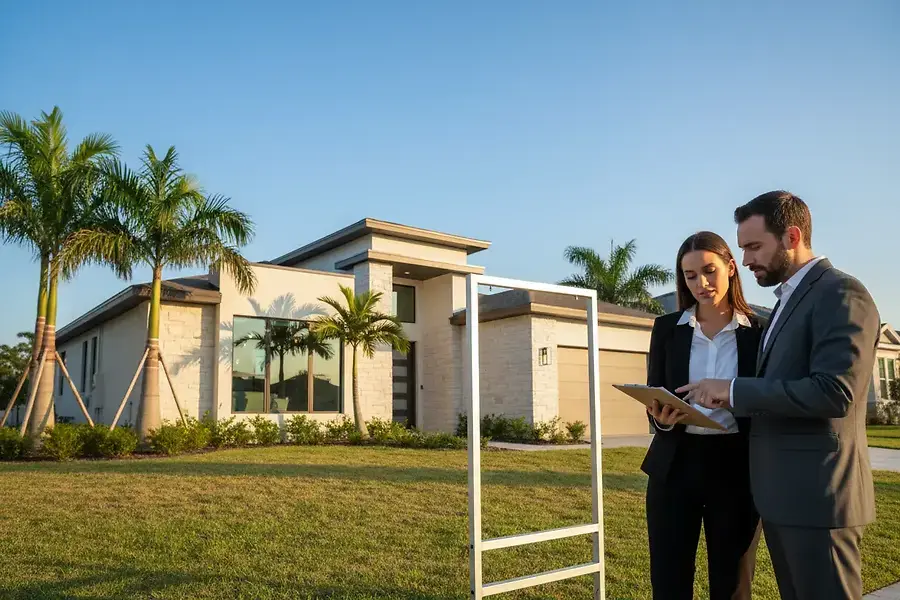
Understanding Tampa's Current Real Estate Market Conditions
Tampa's real estate market continues to evolve with dynamic shifts in buyer demand, inventory levels, and pricing trends. As a seller, understanding these market conditions is crucial to positioning your home for success. The Tampa area has experienced steady growth, attracting both first-time homebuyers and seasoned investors looking for value and opportunity.
The current market reflects a balance between supply and demand, with neighborhoods varying significantly in their competitiveness. Some areas experience multiple offers within days, while others require more strategic positioning. Recognizing where your property stands within this landscape is the first step toward maximizing your profit.
Market Dynamics Affecting Your Sale
Several factors influence pricing decisions in Tampa:
- Inventory Levels: Lower inventory typically supports higher prices, while increased supply may require more competitive pricing
- Buyer Demographics: Tampa attracts diverse buyers, from young professionals to retirees, each with different preferences and budgets
- Seasonal Trends: Winter months often see increased buyer activity, while summer may require adjusted strategies
- Interest Rates: Mortgage rates directly impact buyer purchasing power and market activity
- Neighborhood Appreciation: Different Tampa neighborhoods appreciate at varying rates, affecting long-term value
Comparative Market Analysis: Finding Your Home's Sweet Spot
A Comparative Market Analysis (CMA) is your most powerful tool for determining the optimal listing price. This analysis examines recently sold properties, active listings, and pending sales in your neighborhood to establish a realistic market value.
Conducting an Effective CMA
Start by identifying comparable properties that share similar characteristics with your home:
- Square footage within 10-15% of your home's size
- Similar age and condition
- Comparable lot size and features
- Same general neighborhood or nearby areas
- Sales within the last 3-6 months
Analyze the price per square foot of these comparables to establish a baseline. If your home is 2,000 square feet and comparable homes sold for $150 per square foot, your home's market value would be approximately $300,000. However, adjustments are necessary for unique features.
Making Strategic Adjustments
Your home likely has features that differentiate it from comparables. Make upward adjustments for desirable features such as:
- Recently updated kitchen or bathrooms
- Energy-efficient upgrades and modern HVAC systems
- Pool or outdoor living spaces
- Garage upgrades or additional parking
- Smart home technology and security features
Make downward adjustments for features that need attention, such as aging roof, outdated systems, or needed repairs. This honest assessment prevents overpricing that could lead to a stale listing.
Strategic Pricing to Attract Quality Buyers and Minimize Days on Market
Pricing strategy extends beyond simply calculating market value. Your pricing approach directly impacts buyer interest, offer quality, and time on market.
The Psychology of Pricing
Psychological pricing remains highly effective in real estate. A home priced at $299,900 feels significantly different to buyers than one priced at $305,000, even though the difference is minimal. This pricing strategy can attract more showings and offers.
"Homes priced within the first 10% of their market value typically receive the most buyer attention and highest-quality offers within the first two weeks of listing."
Pricing Strategies for Different Market Conditions
Competitive Market Strategy
In neighborhoods with multiple listings, competitive pricing is essential. Price your home at or slightly below market value to generate immediate interest. This strategy often results in multiple offers, allowing you to negotiate from a position of strength.
Seller's Market Strategy
When inventory is low and demand is high, you have more flexibility. Price at market value or slightly above, but remain prepared to adjust if showings are limited. Quality over quantity matters—attracting serious, pre-approved buyers is more valuable than numerous casual inquiries.
Buyer's Market Strategy
In slower markets, strategic pricing becomes even more critical. Price competitively to stand out among alternatives. Consider highlighting unique features and recent upgrades to justify your pricing and attract motivated buyers.
Avoiding Common Pricing Mistakes
Many sellers make costly pricing errors:
- Overpricing based on emotional attachment: Your home's value to you differs from its market value
- Ignoring market trends: Failing to adjust for current conditions leads to stale listings
- Underpricing to sell quickly: While speed matters, leaving money on the table is unnecessary
- Refusing price reductions: Market feedback should inform pricing adjustments
Timing Your Price Adjustments
If your home doesn't generate expected interest within the first two weeks, be prepared to adjust your price. Market feedback is valuable data. A strategic price reduction can reignite buyer interest and often results in a faster, more profitable sale than maintaining an inflated price.
Conclusion: Positioning Your Home for a Successful Sale
Selling your Tampa home successfully requires balancing market knowledge, strategic analysis, and psychological pricing principles. By understanding current market conditions, conducting thorough comparative market analysis, and implementing strategic pricing tactics, you position your home to attract serious buyers and maximize profit.
Remember that pricing is not static. Market conditions evolve, and your strategy should adapt accordingly. Work with experienced real estate professionals who understand Tampa's neighborhoods and can provide data-driven recommendations.
The goal isn't simply to sell—it's to sell strategically for maximum value. With proper pricing strategy, your Tampa home will attract qualified buyers, generate competitive offers, and achieve the successful sale you deserve. Start with accurate market analysis, implement strategic pricing, and remain flexible as market conditions evolve. This approach transforms the selling process from uncertain to predictable and profitable.


