Selling Your Thousand Oaks Home: Pricing Strategies That Work
Master the art of pricing your residential property competitively to attract serious buyers and maximize your sale price.

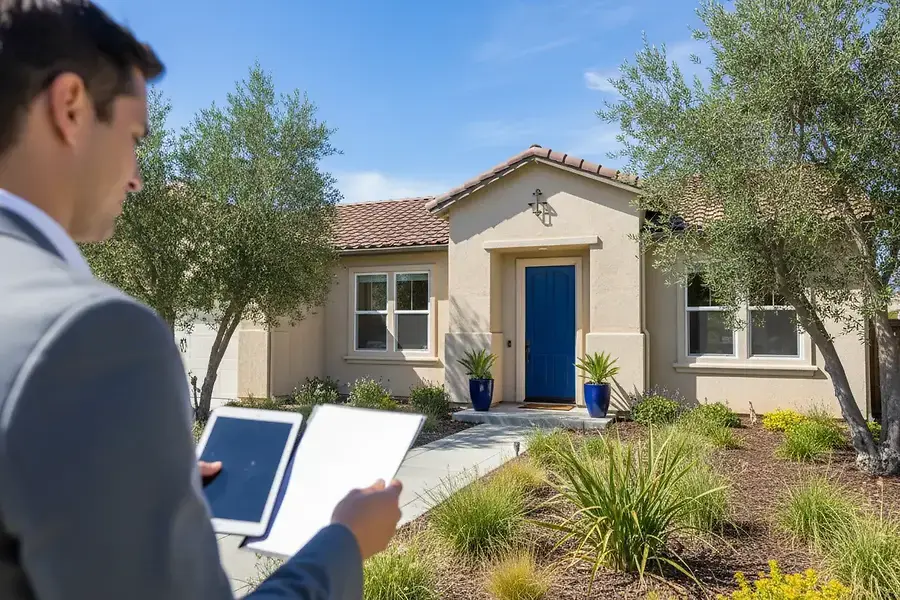
Understanding Current Market Conditions in Thousand Oaks
The Thousand Oaks real estate market is dynamic and competitive, making it essential to understand current conditions before listing your home. The area has experienced steady demand from families and professionals seeking a balance between suburban living and proximity to urban amenities. Inventory levels, buyer interest, and seasonal trends all play crucial roles in determining how quickly your home sells and at what price.
To get a clear picture of the market, research recent sales data in your neighborhood. Look at homes similar to yours that have sold in the past three to six months. Pay attention to how long properties stayed on the market and whether they sold above or below asking price. This information provides valuable context for your pricing strategy and helps you understand buyer expectations in your specific area.
Key Market Factors to Consider
- Interest Rates: Current mortgage rates significantly impact buyer purchasing power and demand
- Seasonal Trends: Spring and early summer typically see higher buyer activity than fall and winter
- Local Economic Growth: Employment opportunities and business development in the area affect property values
- School Districts: Quality schools remain a major factor influencing home values and buyer interest
- Neighborhood Amenities: Parks, shopping centers, and community features add value to your property
Comparative Market Analysis: How to Price Your Home Right
A Comparative Market Analysis (CMA) is your most powerful tool for determining the right asking price. This analysis compares your home to similar properties that have recently sold in your area, helping you identify the sweet spot that attracts buyers while maximizing your profit.
Steps to Conduct an Effective CMA
Step 1: Identify Comparable Properties
Find homes in your neighborhood that are similar in size, age, condition, and features. Ideally, select properties that sold within the last 90 days. Look for homes with similar square footage, number of bedrooms and bathrooms, lot size, and architectural style.
Step 2: Analyze Price Per Square Foot
Calculate the price per square foot for each comparable property by dividing the sale price by the total square footage. This metric helps you understand the market value of your property on a standardized basis. If your home is 2,500 square feet and comparable homes sold at $250 per square foot, your estimated value would be around $625,000.
Step 3: Account for Differences
No two homes are identical. Make adjustments for significant differences such as:
- Recent renovations or upgrades
- Condition of the roof, HVAC, and major systems
- Lot size and outdoor features
- Views and natural light
- Garage type and parking availability
- Energy efficiency features
Step 4: Determine Your Price Range
Based on your analysis, establish a realistic price range rather than a single number. This range should reflect market conditions and your home's unique characteristics. Consider pricing at the lower end of your range to generate interest and multiple offers, or at the higher end if your home has exceptional features.
The Psychology of Pricing
Pricing psychology plays a significant role in buyer perception. A home priced at $599,900 feels significantly less expensive than one priced at $625,000, even though the difference is modest. Strategic pricing can generate more showings, create urgency, and ultimately lead to better offers.
Staging and Presentation Tips to Justify Your Asking Price
Your asking price must be supported by the condition and presentation of your home. Buyers expect homes priced at premium levels to look and feel premium. Strategic staging and improvements can justify a higher asking price and attract serious buyers willing to pay top dollar.
Essential Staging Strategies
Curb Appeal Matters
First impressions are lasting impressions. Invest in landscaping, fresh paint on the front door, clean windows, and updated house numbers. A well-maintained exterior suggests the interior has been cared for equally well.
Declutter and Depersonalize
Remove personal items, family photos, and excess furniture. Buyers need to envision themselves living in your home, which is difficult when it's filled with your personal belongings. A clean, neutral space allows buyers to imagine their own lives in the property.
Highlight Key Features
Arrange furniture to showcase the home's best features. If you have a fireplace, arrange seating to emphasize it. If there's a beautiful view, ensure windows are clean and unobstructed. Direct attention to architectural details and upgrades that justify your asking price.
Cost-Effective Improvements
Strategic improvements don't always require major renovations. Sometimes, simple updates deliver the highest return on investment and support your asking price.
- Fresh paint in neutral colors
- Updated lighting fixtures
- Professional cleaning
- New hardware on cabinets and doors
- Landscaping and lawn maintenance
- Pressure washing exterior surfaces
Negotiation Tactics and Closing Successfully
Once you've priced your home strategically and presented it beautifully, the negotiation phase begins. How you handle offers and counteroffers significantly impacts your final sale price and the smoothness of the closing process.
Negotiation Best Practices
Don't Accept the First Offer Immediately
Even if the first offer meets your asking price, take time to evaluate it. Request a 24-hour period to consider the offer. This pause often encourages buyers to improve their offer, and it prevents you from making hasty decisions.
Understand the Full Offer
Look beyond the purchase price. Consider the earnest money deposit, contingencies, closing timeline, and requested repairs. A lower offer with fewer contingencies might be better than a higher offer with extensive repair requests.
Use Data in Negotiations
Reference your CMA and recent comparable sales when responding to lowball offers. Show buyers and their agents that your price is justified by market data. This professional approach often leads to more reasonable counteroffers.
Be Flexible on Non-Price Items
If a buyer is close to your asking price but requesting repairs or concessions, consider negotiating these items rather than the price itself. Sometimes offering to cover closing costs or including appliances is more beneficial than reducing your sale price.
Closing Successfully
Once you've accepted an offer, stay focused on closing successfully. Respond promptly to inspection requests, provide necessary documentation, and address any issues that arise. A smooth closing protects your sale price and prevents deals from falling apart at the last minute.
Work closely with your real estate agent and attorney to ensure all paperwork is completed accurately and on time. Clear communication with the buyer and their lender helps prevent delays and keeps the transaction on track toward a successful closing.
By understanding market conditions, conducting thorough analysis, presenting your home effectively, and negotiating strategically, you'll be well-positioned to sell your Thousand Oaks home for the best possible price.


