Selling Your Tucson Home: Pricing Strategies for Today's Market
Learn proven pricing techniques to attract serious buyers and maximize your home's value in Tucson's competitive real estate landscape.

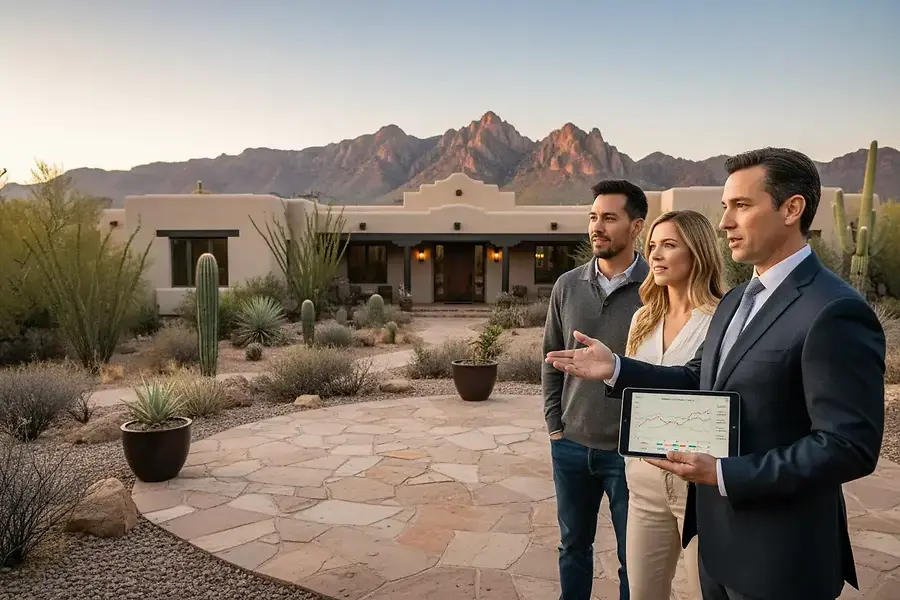
Understanding Tucson's Current Market Conditions and Buyer Expectations
Tucson's real estate market continues to evolve with shifting buyer preferences and economic factors that directly impact home values. To successfully sell your property, you must first understand the landscape you're operating in. The market has become increasingly competitive, with buyers expecting transparency, accurate pricing, and homes that reflect current market standards.
Today's Tucson buyers are more informed than ever. They conduct extensive research, compare properties online, and have clear expectations about what they're willing to pay. The key to attracting serious buyers is pricing your home appropriately from day one. Overpricing leads to extended listing times and reduced buyer interest, while underpricing leaves money on the table.
Market Dynamics Affecting Your Home's Value
Several factors influence Tucson's current market conditions:
- Inventory Levels: The number of available homes affects pricing power. Lower inventory typically supports higher prices, while higher inventory requires more competitive pricing.
- Interest Rates: Mortgage rates directly impact buyer purchasing power and demand for homes at various price points.
- Neighborhood Trends: Different Tucson neighborhoods experience varying levels of demand and appreciation.
- Buyer Demographics: Understanding who's buying in your area helps you price strategically for your target market.
Successful sellers recognize that pricing is not a one-time decision—it's a strategic process based on market data and buyer behavior.
Comparative Market Analysis: How to Price Your Home Competitively
A Comparative Market Analysis (CMA) is your most powerful tool for determining the right price. This analysis examines recently sold homes, active listings, and expired listings in your area to establish a realistic price range.
The Three-Step CMA Process
Step 1: Identify Comparable Properties
Look for homes similar to yours in size, condition, age, and location. Ideally, you want properties that sold within the last 90 days. Focus on homes within a quarter-mile radius when possible, as location significantly impacts value. Consider factors like square footage, number of bedrooms and bathrooms, lot size, and special features.
Step 2: Analyze Price Per Square Foot
Calculate the price per square foot for each comparable property by dividing the sale price by the home's square footage. This metric helps you understand the baseline value in your market. For example, if comparable homes in your neighborhood are selling for $180-$200 per square foot, you can apply this range to your home's size to establish a preliminary price.
Step 3: Adjust for Differences
No two homes are identical. Make adjustments for:
- Condition and age of the property
- Recent renovations or upgrades
- Lot size and outdoor features
- Garage type and parking availability
- Special amenities (pools, patios, smart home features)
"Pricing your home correctly from the start is more important than trying to reduce the price later. The first two weeks on the market are critical for generating buyer interest."
Working with Real Estate Professionals
While you can conduct a basic CMA yourself, working with a local real estate agent provides access to the Multiple Listing Service (MLS) and professional market expertise. Agents have real-time data on market trends, buyer behavior, and pricing patterns that can significantly impact your success.
Strategic Pricing Tactics to Generate Buyer Interest and Offers
Beyond establishing a baseline price, strategic pricing tactics can accelerate your sale and maximize returns.
Psychological Pricing
Pricing at $449,900 instead of $450,000 creates psychological appeal. Buyers often search within specific price ranges, and this strategy positions your home in a lower bracket while maintaining nearly identical value. This tactic can significantly increase the number of qualified buyers viewing your property.
Competitive Pricing Strategy
Price your home slightly below market value to generate multiple offers and competition among buyers. This approach often results in a final sale price that exceeds what you'd achieve with an inflated asking price. When multiple buyers compete, they naturally bid higher, creating a win-win scenario.
Pricing for Your Target Market
Consider who's most likely to buy your home. First-time homebuyers have different price sensitivities than investors or move-up buyers. Families with children may prioritize school districts, while retirees might focus on low-maintenance properties. Align your pricing strategy with your target demographic's expectations and purchasing power.
Seasonal Pricing Adjustments
Tucson's real estate market experiences seasonal fluctuations. Winter months typically see increased buyer activity, while summer months may see reduced competition. Adjust your pricing strategy accordingly—you may have more pricing power during peak seasons and need more competitive pricing during slower periods.
The Importance of Regular Price Monitoring
If your home doesn't sell within the first two weeks, analyze why. Is it the price, presentation, or market conditions? Be willing to adjust your pricing strategy based on market feedback. Homes that sit on the market too long develop a stigma that makes them harder to sell, even at reduced prices.
Conclusion: Making Data-Driven Decisions for Maximum Returns
Selling your Tucson home successfully requires balancing market knowledge with strategic pricing decisions. The most successful sellers approach pricing as a data-driven process rather than guesswork.
Start with a thorough Comparative Market Analysis to understand your home's true market value. Consider your neighborhood's specific dynamics, buyer expectations, and current market conditions. Then implement strategic pricing tactics that generate buyer interest and competition.
Remember that pricing is not static. Monitor market response, stay flexible, and be willing to adjust your strategy based on real-world feedback. By combining accurate market analysis with proven pricing tactics, you'll position yourself to attract serious buyers and maximize your home's value in Tucson's competitive real estate landscape.
Your home's price is often the first impression potential buyers have—make it count.