Selling Your Washington DC Home: Pricing Strategies That Work
Master the art of setting the right price to attract serious buyers and maximize your home's value in today's competitive market.

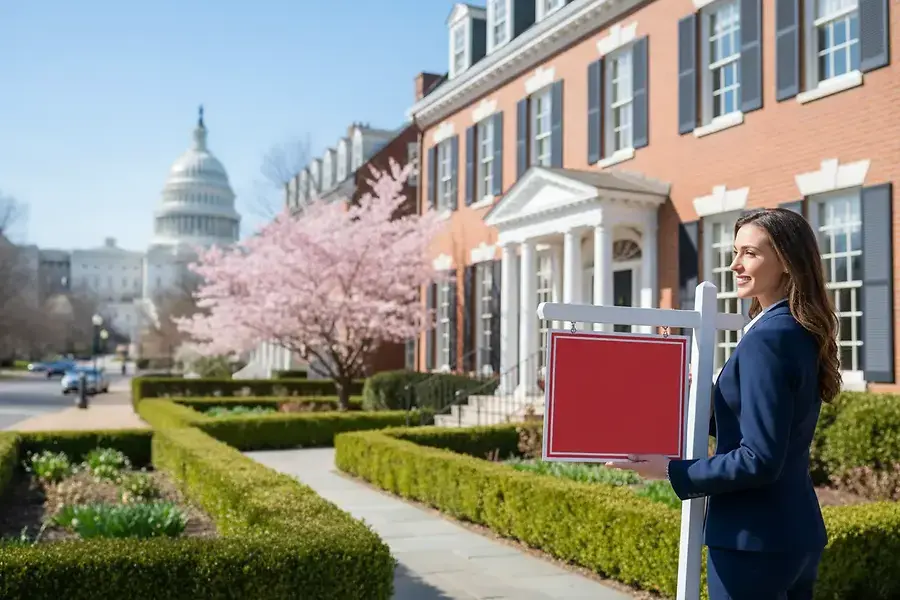
Understanding DC Market Dynamics and Comparable Sales Data
The Washington DC real estate market is one of the most dynamic and competitive in the nation. Before setting your asking price, you must understand the current market conditions and how they affect your home's value. The DC market is influenced by federal employment trends, interest rates, and the influx of young professionals seeking urban living.
Comparable sales data, often called "comps," is your foundation for pricing. This involves analyzing recent sales of similar homes in your neighborhood within the last 90 days. Look for properties that match your home's:
- Square footage
- Number of bedrooms and bathrooms
- Age and condition
- Lot size and location
- Special features and upgrades
Work with a local real estate agent who has access to the Multiple Listing Service (MLS) to gather accurate comp data. This information reveals pricing trends and helps you identify whether your neighborhood is appreciating or depreciating. In DC, neighborhoods can vary dramatically—a home in Capitol Hill may command a different price per square foot than one in Chevy Chase, even though both are highly desirable.
Analyzing Price Per Square Foot
Price per square foot is a critical metric in DC's market. Calculate this by dividing the sale price by the total square footage. This allows you to compare homes of different sizes on equal footing. If comparable homes in your area are selling for $450 per square foot and your home is 2,000 square feet, a reasonable asking price would be around $900,000, adjusted for condition and unique features.
Strategic Pricing Techniques for Different Neighborhoods
Washington DC's neighborhoods each have distinct characteristics that influence pricing strategies. What works in one area may not work in another.
Premium Neighborhoods
In high-demand areas like Georgetown, Kalorama, or Bethesda, buyers expect premium pricing. These neighborhoods command higher prices due to excellent schools, proximity to employment centers, and established prestige. Here, pricing at or slightly above market value can work because demand is strong. However, avoid overpricing—even in premium areas, homes that sit on the market lose buyer interest.
Emerging Neighborhoods
Areas experiencing revitalization, such as parts of Northeast DC or Anacostia, require strategic pricing. Competitive pricing attracts investors and first-time homebuyers who recognize growth potential. Pricing slightly below comparable sales in established neighborhoods can generate multiple offers and bidding wars, ultimately achieving your target price.
Mid-Range Neighborhoods
For stable, well-established neighborhoods, market-rate pricing is typically most effective. Price your home within 1-3% of comparable sales. This approach attracts serious buyers and minimizes time on market. Overpricing in these areas can lead to price reductions, which signal weakness to potential buyers.
Preparing Your Home to Justify Your Asking Price
Your asking price must align with your home's condition and presentation. A well-prepared home justifies premium pricing.
Essential Preparations
- Curb Appeal: First impressions matter. Fresh landscaping, a clean exterior, and updated front door can increase perceived value by 5-10%.
- Interior Updates: Modern kitchens and bathrooms are non-negotiable in DC's market. These upgrades offer the best return on investment.
- Neutral Décor: Repaint bold colors with neutral tones. Remove personal items that distract buyers from envisioning themselves in the space.
- Deep Cleaning: A spotless home suggests proper maintenance. Professional cleaning is a worthwhile investment.
- Repairs and Maintenance: Address any visible issues. A cracked foundation or roof problems will require price reductions or turn away buyers entirely.
Staging for Success
Strategic staging highlights your home's best features. Arrange furniture to show spaciousness, use lighting to create warmth, and declutter to allow buyers to focus on architectural details. In DC's older homes, highlighting original hardwood floors, fireplaces, and crown molding can justify higher asking prices.
Professional Photography and Virtual Tours
High-quality photos and virtual tours are essential in today's market. Many buyers begin their search online, so professional photography directly impacts whether they schedule a showing. Virtual tours allow out-of-state buyers to explore your home, expanding your potential buyer pool and supporting your asking price.
Negotiating Offers and Closing Successfully
Setting the right price is just the beginning. How you negotiate offers determines your final sale price.
Understanding Offer Dynamics
In a competitive market, multiple offers are common. Don't automatically accept the highest offer—consider the buyer's financing, contingencies, and closing timeline. A lower offer with fewer contingencies and a quick closing may be preferable to a higher offer with extensive inspections and financing contingencies.
Negotiation Strategies
Counteroffers are standard in real estate. If an offer comes in below your asking price, respond with a counteroffer that reflects your bottom line. Be prepared to negotiate on price, closing date, and what items (appliances, fixtures) are included in the sale.
"The goal of negotiation is to reach a price that satisfies both parties while maintaining the deal's momentum toward closing."
Avoid emotional decisions. If you've priced your home correctly based on market data, you can confidently negotiate from a position of strength. Remember that the buyer's inspection may reveal issues requiring price adjustments—budget for this possibility.
Closing Successfully
Once you've accepted an offer, the closing process begins. Work closely with your real estate agent and attorney to ensure all contingencies are met. In DC, closing typically occurs 30-45 days after offer acceptance. Maintain your home's condition during this period—buyers conduct final walkthroughs before closing, and any deterioration could jeopardize the deal.
By understanding market dynamics, employing strategic pricing techniques, preparing your home thoroughly, and negotiating skillfully, you'll maximize your home's value and achieve a successful sale in Washington DC's competitive real estate market.


