Selling Your Wilmington Home: Pricing Strategies for Maximum Profit
Learn proven pricing tactics and market analysis techniques to attract serious buyers and close faster in today's Wilmington real estate market.

Understanding Current Market Conditions in Wilmington
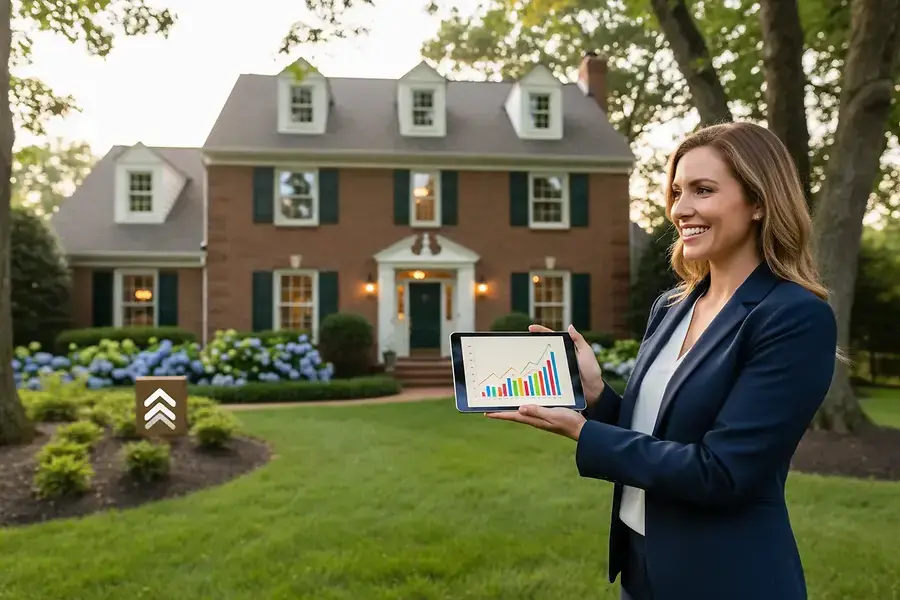
The Wilmington real estate market is dynamic and competitive, with homeowners needing to understand local trends before listing their properties. Success in selling your home starts with recognizing where the market stands today. Factors such as inventory levels, buyer demand, and seasonal fluctuations all play crucial roles in determining the right pricing strategy.
Market Trends and Buyer Behavior
Wilmington's real estate landscape has evolved significantly, with buyers becoming increasingly informed and selective. Today's purchasers conduct thorough research, compare properties extensively, and expect homes to be priced fairly based on current market conditions. Understanding these buyer behaviors helps you position your home competitively.
Key indicators to monitor include:
- Average days on market for similar properties
- Recent sales prices versus original listing prices
- Inventory levels in your neighborhood
- Interest rates and financing availability
- Local economic growth and employment trends
Seasonal Considerations
Timing matters significantly in Wilmington's real estate market. While spring traditionally brings more buyers, strategic sellers can capitalize on less competitive seasons by pricing aggressively and standing out among fewer listings. Understanding seasonal patterns helps you set realistic expectations and adjust your pricing accordingly.
Comparative Market Analysis and Competitive Pricing
A Comparative Market Analysis (CMA) is your most powerful tool for determining the optimal price for your Wilmington home. This analysis examines recently sold properties, active listings, and expired listings to establish a realistic price range.
Conducting Your Market Analysis
Start by identifying comparable properties—homes similar in size, condition, location, and features to yours. Look for sales that occurred within the last three to six months, as older sales may not reflect current market conditions. Pay special attention to properties in your immediate neighborhood, as location significantly impacts value.
When analyzing comparables, consider:
- Square footage and lot size: Adjust prices proportionally for size differences
- Age and condition: Newer homes or those in better condition command premium prices
- Amenities: Updated kitchens, bathrooms, and modern features add value
- Location: Proximity to schools, parks, and employment centers affects desirability
- Market absorption rate: How quickly homes are selling indicates pricing strength
Pricing Strategies for Maximum Appeal
Psychological pricing is a proven tactic used by successful sellers. Pricing your home at $449,900 instead of $450,000 creates a perception of better value, even though the difference is minimal. This strategy can significantly increase buyer inquiries and showings.
Consider these pricing approaches:
- Competitive pricing: Price slightly below market value to generate multiple offers and bidding wars
- Market pricing: Price at fair market value based on your CMA to attract serious buyers
- Premium pricing: Price above market if your home has exceptional features or unique advantages
"The right price isn't what you think your home is worth—it's what buyers in today's market are willing to pay."
Staging and Presentation to Justify Your Price Point
Your pricing strategy must align with how your home presents itself to potential buyers. A well-staged, maintained property justifies premium pricing, while a neglected home requires aggressive pricing to attract interest.
Creating Buyer Appeal
First impressions are critical. Invest in curb appeal by maintaining landscaping, refreshing paint, and ensuring the exterior is clean and inviting. Inside, declutter spaces, depersonalize décor, and highlight your home's best features. Professional staging can increase perceived value and justify higher asking prices.
Highlighting Value Propositions
Help buyers understand why your price is justified by emphasizing:
- Recent renovations and upgrades
- Energy-efficient systems and appliances
- Quality of construction and materials
- Neighborhood amenities and community features
- Investment potential and appreciation history
Professional photography and virtual tours showcase your home's appeal to a wider audience, attracting more qualified buyers willing to pay your asking price.
Closing the Sale: Negotiation and Final Steps
Strategic pricing sets the stage for successful negotiations. When you've priced your home correctly based on market analysis, you're positioned to negotiate from strength.
Handling Offers and Counteroffers
Expect negotiations—they're a normal part of the process. Your initial pricing strategy determines your negotiating room. If priced competitively, you may receive multiple offers, allowing you to be selective. If priced aggressively, you'll have leverage in negotiations.
Key negotiation points include:
- Purchase price and terms
- Inspection contingencies and repair requests
- Closing timeline and possession date
- Included items and fixtures
- Financing contingencies and appraisal gaps
Maximizing Your Bottom Line
Remember that your net proceeds depend on more than just the sale price. Factor in real estate commissions, closing costs, and any repairs or concessions you make. Work with your real estate agent to understand the full financial picture and make informed decisions that truly maximize your profit.
Final Tip: Stay flexible but informed. Market conditions can shift, and being willing to adjust your strategy based on buyer feedback and market response often leads to faster sales and better outcomes. Trust your market analysis, present your home professionally, and price strategically for success in Wilmington's competitive real estate market.