Short Hills Property Taxes: A Homeowner's Guide to Assessments and Savings
Learn how to understand your property assessment, explore available tax deductions, and maximize your financial returns as a Short Hills homeowner.

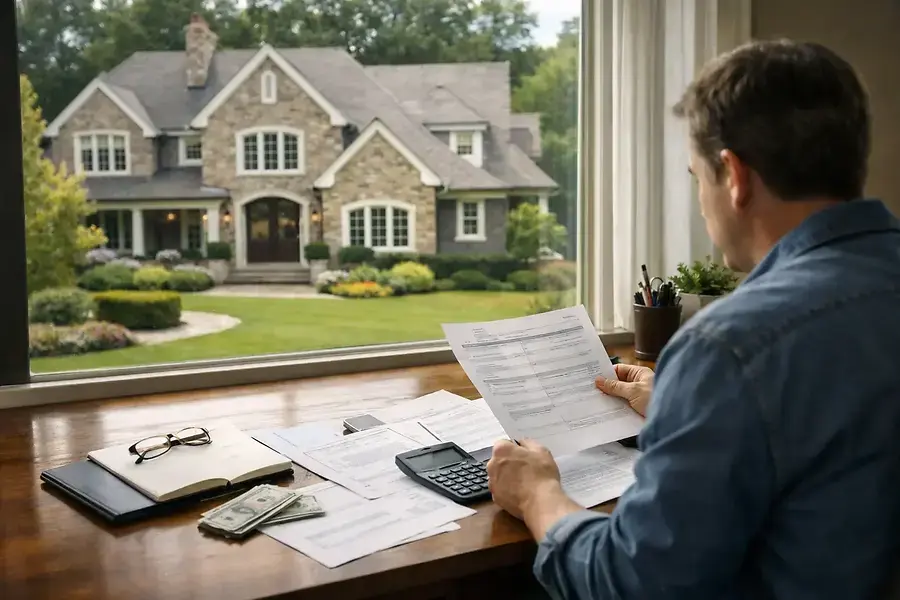
Why Short Hills Property Taxes Matter for Your Investment
As a Short Hills homeowner, your property represents one of the most significant financial investments you'll make. Understanding how property taxes work in this affluent New Jersey community is essential to protecting your wealth and optimizing your financial strategy. Property taxes directly impact your annual housing costs and can substantially affect your long-term return on investment.
Short Hills, known for its prestigious neighborhoods and high property values, typically experiences property tax assessments that reflect the area's desirability and strong real estate market. Rather than viewing property taxes as an unavoidable expense, savvy homeowners recognize them as an opportunity to understand their property's assessed value and explore legitimate ways to reduce their tax burden.
The stakes are high: A difference of just a few percentage points in your property's assessed value can translate to thousands of dollars in annual tax savings. This guide will equip you with the knowledge to navigate the assessment process, challenge unfair valuations, and take advantage of available deductions and exemptions.
How Short Hills Property Assessments Are Calculated and When to Challenge Them
Understanding the Assessment Process
Property assessments in Short Hills are conducted by the municipal assessor's office and are based on several key factors. The assessor evaluates your property's:
- Location and lot size: Properties in prime neighborhoods command higher assessments
- Building square footage: The total livable area significantly impacts valuation
- Age and condition: Newer homes or recently renovated properties may have higher assessments
- Amenities and features: Pools, garages, updated systems, and luxury finishes increase assessed value
- Comparable sales: Recent sales of similar properties in the area influence assessments
The assessor typically conducts a physical inspection of your property every few years. During this visit, they document structural features, improvements, and overall condition. This information feeds into the assessment calculation, which ultimately determines your property tax bill.
When and How to Challenge Your Assessment
If you believe your property has been overassessed, you have the right to challenge the valuation. The key is acting promptly—most municipalities have specific deadlines for filing appeals, typically within 45 days of receiving your assessment notice.
To build a strong case for challenging your assessment, consider these steps:
- Gather comparable sales data: Research recent sales of similar properties in Short Hills to establish market value
- Document property defects: If your home has structural issues, outdated systems, or needed repairs, compile evidence
- Review the assessment for errors: Check that square footage, lot size, and amenities are accurately recorded
- Consult a professional: Tax assessors or real estate appraisers can provide expert analysis supporting your appeal
- File a formal appeal: Submit your challenge through the municipal assessment office before the deadline
Pro tip: Many successful appeals are based on simple clerical errors or outdated information. Always request a copy of your property record card to verify accuracy before filing an appeal.
The Appeal Process
If your initial challenge is denied, you may have the option to appeal to the county board of taxation. This formal process allows you to present evidence before an impartial board. While it requires more effort and potentially professional assistance, successful appeals can result in significant tax reductions.
Tax Deductions and Exemptions Available to Short Hills Homeowners
Homestead Property Tax Exemptions
New Jersey offers a Homestead Property Tax Exemption that can provide substantial relief for eligible homeowners. This exemption reduces your property's assessed value, directly lowering your annual tax bill. To qualify, you must:
- Own and occupy the property as your primary residence
- Meet income eligibility requirements (which vary by age and household status)
- Apply through your municipal assessor's office
Seniors and disabled homeowners may qualify for additional exemptions with higher income thresholds, making this particularly valuable for retired residents in Short Hills.
Mortgage Interest and Property Tax Deductions
While federal tax law has limited the deductibility of state and local taxes (SALT) to $10,000 annually, homeowners can still benefit from deducting mortgage interest on their federal tax returns. Keep detailed records of all property tax payments and mortgage interest to maximize these deductions when filing your annual tax return.
Energy Efficiency and Green Home Improvements
Some municipalities offer tax incentives for homeowners who make energy-efficient improvements. Installing solar panels, upgrading to high-efficiency HVAC systems, or improving insulation may qualify you for tax credits or exemptions. Check with the Short Hills assessor's office about current programs.
Agricultural and Farmland Exemptions
While less common in Short Hills, if your property includes agricultural land or qualifies under farmland preservation programs, you may be eligible for significant tax reductions. These exemptions are designed to preserve open space and agricultural heritage.
Making Informed Decisions About Your Property's Financial Future
Understanding your property taxes empowers you to make strategic financial decisions about your Short Hills home. Review your assessment annually and stay informed about changes in local tax rates and available exemptions.
Consider these final recommendations:
- Build a relationship with your assessor: Understanding how your property is valued helps you plan for future assessments
- Track improvements and repairs: Document all work done to your property for future appeals or exemption applications
- Stay informed about tax law changes: Tax regulations evolve, and new deductions or exemptions may become available
- Consult professionals when needed: Tax advisors and real estate professionals can provide personalized guidance based on your situation
Your property is a valuable asset, and managing its tax implications is a crucial part of responsible homeownership. By understanding how assessments work, knowing when to challenge them, and taking advantage of available deductions, you can significantly impact your bottom line and maximize your investment returns in Short Hills.


