Should You Rent or Buy a Home in Central Florida? A Complete Guide
Discover how to evaluate whether renting or buying makes financial sense for your lifestyle and budget in today's Central Florida market.

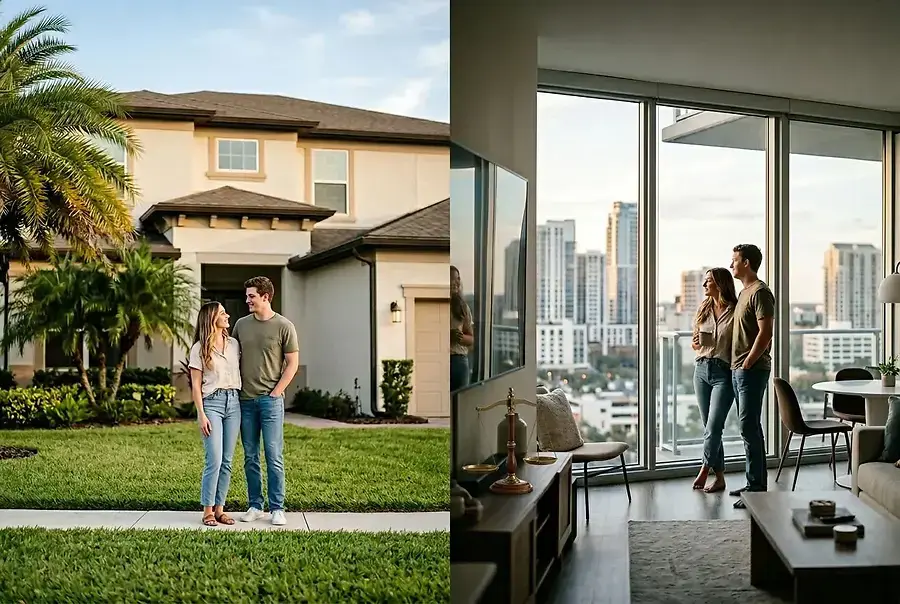
Understanding Your Financial Position: Savings, Credit, and Down Payment Readiness
Before you can seriously consider buying a home in Central Florida, you need to take an honest look at your financial foundation. The first critical factor is your credit score. Most lenders require a minimum score of 620 to qualify for a mortgage, but scores above 740 will get you the best interest rates. If your credit needs work, spending 6-12 months improving it could save you tens of thousands of dollars over the life of your loan.
Next, consider your savings and down payment readiness. While many first-time buyers believe they need 20% down, conventional loans often allow as little as 3-5% down. However, putting down less than 20% means you'll pay private mortgage insurance (PMI), which adds $100-300+ monthly to your payment. Here's what you should have saved:
- Down payment (3-20% of home price)
- Closing costs (2-5% of purchase price)
- Emergency fund (3-6 months of living expenses)
- Home inspection and appraisal fees
In Central Florida's current market, median home prices range from $300,000 to $450,000 depending on location. This means you should have at least $15,000-$25,000 saved before seriously pursuing homeownership, plus an additional emergency fund.
The True Cost of Renting vs. Owning: What Most People Overlook
Many renters assume buying is always cheaper, but the reality is more nuanced. Let's break down the true costs of each option:
The Real Cost of Renting
Renting in Central Florida typically costs $1,200-$2,000 monthly for a one to two-bedroom apartment, depending on location and amenities. What renters often overlook is that rent increases annually, typically 3-5% per year. Over a 10-year period, your rent could increase by 30-50%, significantly impacting your budget.
However, renting offers flexibility and predictability. Your landlord covers maintenance, repairs, property taxes, and insurance. You're not responsible for unexpected $5,000 roof repairs or $3,000 HVAC replacements.
The Real Cost of Owning
A $350,000 home with 10% down ($35,000) and a 7% interest rate results in a mortgage payment of approximately $2,330 monthly. But this is only the beginning. You must also budget for:
- Property taxes: $3,500-$5,000 annually in Central Florida
- Homeowners insurance: $1,200-$2,000 annually
- HOA fees: $100-$400 monthly (if applicable)
- Maintenance and repairs: 1-2% of home value annually ($3,500-$7,000)
- Utilities: $150-$250 monthly
- PMI: $200-$300 monthly (if down payment is less than 20%)
Your total monthly housing cost could easily reach $3,500-$4,500. However, mortgage payments build equity, and you benefit from potential home appreciation. In Central Florida, home values have appreciated 4-6% annually over the past several years.
The Break-Even Point
Generally, buying makes financial sense if you plan to stay in your home for at least 5-7 years. This timeframe allows you to build equity and offset closing costs and realtor fees when you eventually sell.
Lifestyle Factors: How Your Long-Term Plans Impact Your Housing Decision
Beyond the numbers, your lifestyle and future plans should heavily influence your decision.
Choose Renting If:
- You're uncertain about staying in Central Florida for more than 3-5 years
- You value flexibility and minimal maintenance responsibilities
- Your income is variable or you're early in your career
- You prefer to avoid the stress of home maintenance and repairs
- You want to preserve capital for other investments or opportunities
Choose Buying If:
- You plan to stay in Central Florida for 5+ years
- You want to build equity and create long-term wealth
- You have stable, predictable income
- You enjoy home improvement projects and customization
- You want to lock in your housing costs (mortgage stays the same, though taxes and insurance increase)
- You're ready to establish roots in a community
The best housing decision isn't about what's universally "better"—it's about what aligns with your financial situation, career trajectory, and personal goals.
Taking Action: Next Steps to Determine Your Best Path Forward
For Potential Renters
Start by researching rental prices in neighborhoods that appeal to you. Use online platforms to compare options and understand the market. Consider negotiating lease terms, especially if you're signing a longer commitment. Build your savings for future down payment readiness while enjoying rental flexibility.
For Potential Buyers
Step 1: Check Your Credit – Obtain your free credit report and address any issues. Aim for a score above 740 for optimal rates.
Step 2: Get Pre-Approved – Meet with lenders to understand how much you can borrow. Pre-approval shows sellers you're serious and helps you focus your search.
Step 3: Calculate Your Budget – Use online calculators to determine your true monthly housing costs, including taxes, insurance, and maintenance.
Step 4: Work with a Local Real Estate Agent – An experienced Central Florida agent understands market trends, neighborhood values, and can guide you through the buying process.
Step 5: Get a Home Inspection – Never skip this step. A thorough inspection reveals potential issues before you commit.
The Bottom Line
There's no universal "right" answer to the rent-versus-buy question. Your decision should be based on your financial readiness, long-term plans, and lifestyle preferences. Take time to evaluate your situation honestly, run the numbers, and consider consulting with a financial advisor. Whether you choose to rent or buy, make an informed decision that sets you up for financial success in Central Florida.


