Silver Spring Home Inspections: What Every Buyer Should Know
Essential inspection checklist and red flags to protect your investment in Silver Spring's residential market.

Why Professional Home Inspections Matter in Silver Spring
Purchasing a home is one of the most significant financial decisions you'll make, and in Silver Spring's competitive real estate market, a professional home inspection is your best defense against costly surprises. Many buyers underestimate the importance of this critical step, viewing it as an optional expense rather than essential due diligence.
A thorough home inspection provides an objective assessment of a property's condition, identifying issues that may not be visible during a casual walkthrough. In Silver Spring, where homes range from historic properties to modern constructions, inspectors bring specialized knowledge about regional building practices, common structural issues, and climate-related concerns that affect the area.
Key benefits of professional inspections include:
- Uncovering hidden defects that could cost thousands to repair
- Providing leverage for negotiating repairs or price reductions
- Revealing safety hazards that pose risks to your family
- Offering peace of mind about your investment
- Documenting the property's baseline condition for future reference
Key Areas Inspectors Examine and Common Issues Found Locally
Structural and Foundation Concerns
Silver Spring's older homes frequently present foundation issues due to soil composition and age. Inspectors carefully examine foundations for cracks, settling, and water intrusion. Look for red flags such as: horizontal cracks wider than 1/4 inch, bowing walls, or water stains in basements.
Roofing and Weather Protection
The region's weather patterns demand special attention to roofing systems. Inspectors assess shingle condition, flashing integrity, and ventilation. Common local issues include premature shingle deterioration and inadequate attic ventilation, which can lead to moisture problems and reduced energy efficiency.
Plumbing and Water Systems
Older Silver Spring homes often contain outdated plumbing materials that may fail unexpectedly. Inspectors test water pressure, check for leaks, and identify aging pipes that may need replacement. Galvanized pipes and polybutylene plumbing are particular concerns in homes built before the 1990s.
Electrical Systems
Outdated electrical panels and wiring present safety risks and may not support modern power demands. Inspectors verify that systems meet current codes and identify potential fire hazards. Knob-and-tube wiring found in some historic Silver Spring homes requires immediate attention.
HVAC and Energy Efficiency
Heating and cooling systems in older homes may be inefficient or nearing the end of their lifespan. Inspectors evaluate furnace and air conditioning condition, ductwork integrity, and overall system performance. This assessment directly impacts your utility costs and comfort.
Moisture and Mold Issues
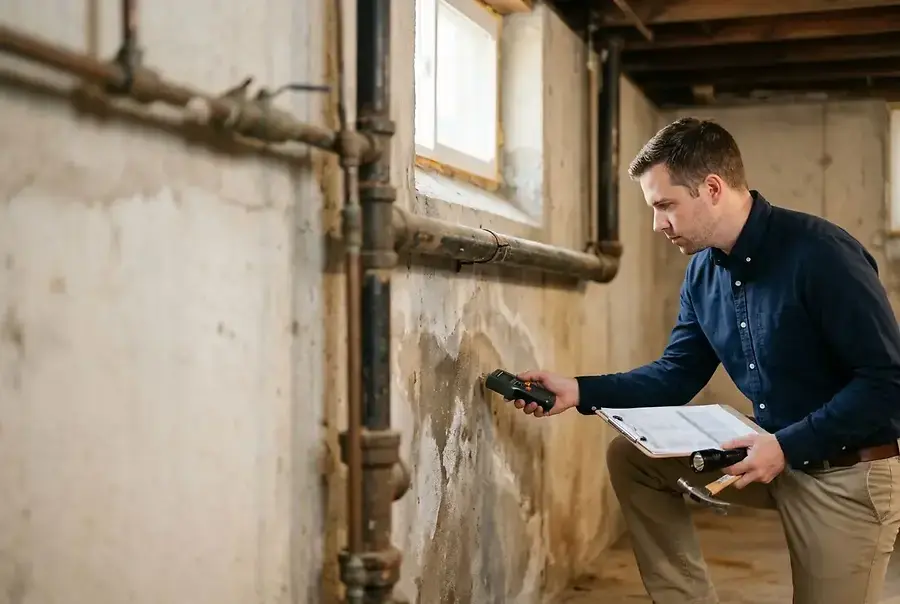
Silver Spring's humidity levels make moisture control critical. Inspectors look for signs of water damage, mold growth, and inadequate drainage around the foundation. Basement moisture is particularly common in the area and requires proper remediation strategies.
Understanding Your Inspection Report and Negotiating Repairs
Decoding the Inspection Report
A comprehensive inspection report details findings in clear categories: items needing immediate attention, items to monitor, and items for future consideration. Don't be alarmed by every item listed—inspectors document everything, and many findings are minor or cosmetic.
Focus on safety issues and major systems that will be expensive to repair. Items like missing handrails, electrical hazards, or failing HVAC systems warrant serious attention. Minor cosmetic issues like caulking or paint touch-ups are typically the buyer's responsibility.
Negotiation Strategies
Once you receive the inspection report, you have several options:
- Request repairs: Ask the seller to fix significant issues before closing
- Request credits: Negotiate a price reduction to cover repair costs yourself
- Request inspections: Ask for specialist evaluations of concerning systems
- Accept as-is: Proceed without repairs if issues are minor or acceptable
In Silver Spring's market, sellers often prefer credits over repairs, allowing you to choose contractors and ensure quality work.
Always get written estimates for major repairs before negotiating—this gives you concrete numbers for discussions.
When to Walk Away
Some inspection findings may indicate problems too extensive or expensive to justify the purchase. If major systems require replacement, structural issues are severe, or mold contamination is extensive, carefully evaluate whether the property remains a sound investment.
Final Steps: Using Inspection Results in Your Purchase Decision
Creating Your Action Plan
After negotiating repairs or credits, create a prioritized list of work to be completed. Ensure all agreed-upon repairs are documented in writing and included in your final purchase agreement. Request proof of completion before closing.
Post-Inspection Considerations
Even after addressing inspection findings, maintain a record of the report for future reference. This documentation proves valuable when:
- Filing insurance claims for damage
- Planning future renovations or upgrades
- Selling the property later
- Addressing warranty claims with contractors
Moving Forward with Confidence
A professional home inspection transforms you from a hopeful buyer into an informed one. In Silver Spring's residential market, this knowledge is power. You'll understand exactly what you're purchasing, what repairs or upgrades may be needed, and whether the asking price reflects the property's true condition.
Don't skip this crucial step. The few hundred dollars spent on a professional inspection can save you thousands in unexpected repairs and provide invaluable peace of mind as you make one of life's biggest decisions. Your future self will thank you for the diligence you invest today.


