Smart Home Buying Strategies for Atlanta's Northern Communities
Master the essentials of purchasing residential property in Atlanta, Marietta, and Roswell with expert guidance tailored to today's market.

Understanding Your Local Market: What Makes Atlanta's Northern Suburbs Unique
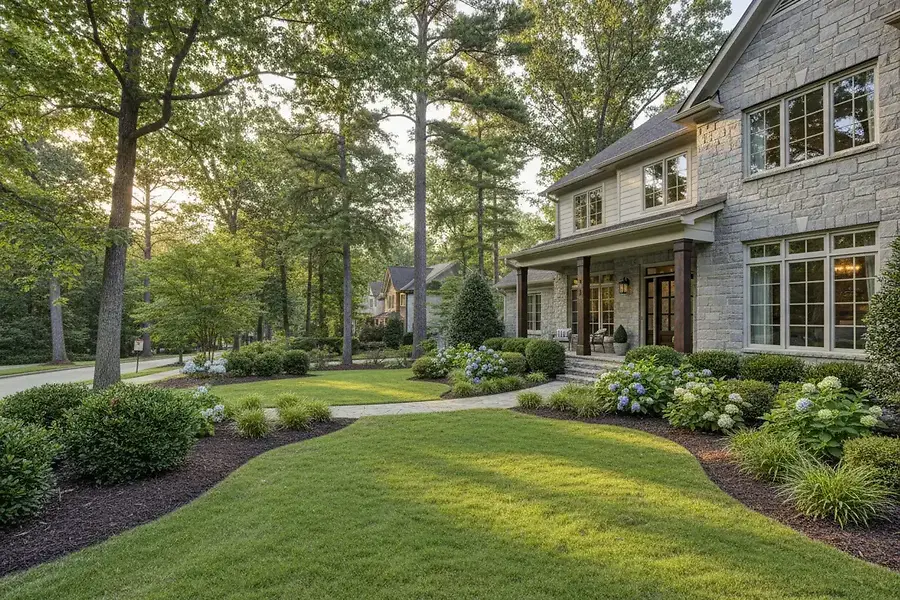
Atlanta's northern communities—including Marietta, Roswell, and the surrounding areas—offer distinct advantages that set them apart from other regions. These suburbs have experienced consistent growth, attracting families and investors seeking quality of life combined with strong property values.
Market Characteristics and Trends
The northern Atlanta market is characterized by diverse neighborhoods, excellent school systems, and convenient access to major employment centers. Unlike the urban core, these communities offer more spacious properties and established residential areas with strong community infrastructure.
- Population Growth: Northern suburbs continue to attract new residents, supporting steady property appreciation
- School Districts: Highly-rated schools drive demand and maintain property values
- Commute Accessibility: Strategic location near I-75 and I-285 provides easy access to downtown Atlanta
- Mixed Housing Options: From townhomes to sprawling estates, diverse inventory meets various buyer needs
Competitive Landscape
The northern suburbs remain competitive markets where homes can sell quickly. Understanding inventory levels, average days on market, and price trends in specific neighborhoods is essential for making informed decisions. Work with local agents who understand micro-market variations between Marietta, Roswell, and surrounding communities.
Pre-Purchase Preparation: Getting Financially Ready for Your Home Investment
Before beginning your home search, establishing financial readiness is crucial. This preparation phase determines your buying power and helps you avoid costly mistakes.
Credit and Financing Fundamentals
Your credit score directly impacts mortgage rates and loan approval. Review your credit report for errors and address any issues before applying for a mortgage. A score above 740 typically qualifies for the best rates, potentially saving thousands over your loan term.
- Check your credit report with all three bureaus
- Dispute any inaccuracies immediately
- Pay down existing debts to improve your debt-to-income ratio
- Avoid major purchases or new credit applications before applying for a mortgage
Determining Your Budget
Get pre-approved for a mortgage before house hunting. Pre-approval shows sellers you're a serious buyer and clarifies your actual purchasing power. In Atlanta's northern suburbs, median home prices vary significantly by neighborhood, so understanding your budget helps narrow your search effectively.
Consider not just the mortgage payment, but also property taxes, homeowners insurance, HOA fees, and maintenance costs. A common rule suggests housing expenses shouldn't exceed 28% of your gross monthly income.
Saving for Down Payment and Closing Costs
While conventional loans typically require 20% down, many programs allow 3-5% down payments. However, larger down payments reduce monthly payments and eliminate private mortgage insurance (PMI). Budget for closing costs, typically 2-5% of the purchase price, which include appraisals, inspections, title insurance, and attorney fees.
Navigating the Buying Process: From Offers to Closing Day
The home buying process involves multiple steps, each with specific requirements and timelines. Understanding each phase helps you move confidently toward homeownership.
Finding the Right Property
Work with a knowledgeable real estate agent familiar with Atlanta's northern communities. They can identify properties matching your criteria, provide comparative market analysis, and alert you to new listings before they gain widespread attention. Attend open houses and schedule private showings to evaluate neighborhoods at different times of day.
Making Your Offer
When you find the right property, your agent will help craft a competitive offer. In active markets, this may include:
- Offering close to asking price or above
- Minimizing contingencies where possible
- Including a strong earnest money deposit
- Offering flexible closing dates
- Including a personal letter to the seller
Contingencies protect you but can make your offer less attractive. Common contingencies include financing, inspection, and appraisal contingencies. Balance protection with competitiveness based on current market conditions.
Inspection and Appraisal
Once your offer is accepted, hire a professional home inspector to evaluate the property's condition. The inspection report identifies needed repairs and potential issues. If significant problems emerge, you can negotiate repairs or credits with the seller.
The lender will order an appraisal to ensure the property value supports the loan amount. If the appraisal comes in low, you may need to renegotiate or increase your down payment.
The Final Steps to Closing
Before closing, conduct a final walkthrough to verify agreed-upon repairs are complete and the property matches your expectations. Review your Closing Disclosure document carefully—it outlines all final costs and loan terms. Schedule a title search to ensure the seller has clear ownership rights.
Closing day involves signing documents, transferring funds, and receiving your keys. Bring a valid ID and be prepared to sign numerous documents. Your attorney or title company will guide you through the process.
Maximizing Your Investment: Long-Term Home Ownership Success in North Atlanta
Purchasing a home is just the beginning. Strategic decisions after closing help maximize your investment's value and your enjoyment of the property.
Building Equity Through Smart Maintenance
Regular maintenance preserves your home's value and prevents expensive repairs. Establish a maintenance schedule covering:
- HVAC system servicing twice yearly
- Roof inspections and gutter cleaning
- Plumbing and electrical system checks
- Exterior maintenance and landscaping
Document all improvements and repairs for future resale value documentation.
Strategic Improvements and Renovations
Not all renovations provide equal return on investment. Focus on improvements that appeal to future buyers and enhance daily living. Kitchen and bathroom updates typically offer strong returns, as do energy-efficient upgrades like new windows and insulation.
Understanding Your Community's Growth Potential
Atlanta's northern suburbs continue developing with new commercial centers, improved infrastructure, and expanding amenities. Stay informed about planned developments in your area—new schools, shopping centers, or transit improvements can significantly impact property values.
Smart home buying isn't just about finding the right property today; it's about understanding how your investment will grow within your community over time.
Building Wealth Through Real Estate
As you build equity through mortgage payments and property appreciation, consider how your real estate investment fits into your broader financial strategy. Many successful investors use home equity for future investments or refinance to access capital for other opportunities.
By understanding your local market, preparing financially, navigating the buying process strategically, and maintaining your investment wisely, you'll position yourself for long-term success in Atlanta's northern communities. Whether you're a first-time buyer or experienced investor, these fundamentals apply to building wealth through real estate in Marietta, Roswell, and surrounding areas.


