Smart Home Features That Increase Residential Property Value
Discover which modern upgrades deliver the strongest return on investment for homeowners.

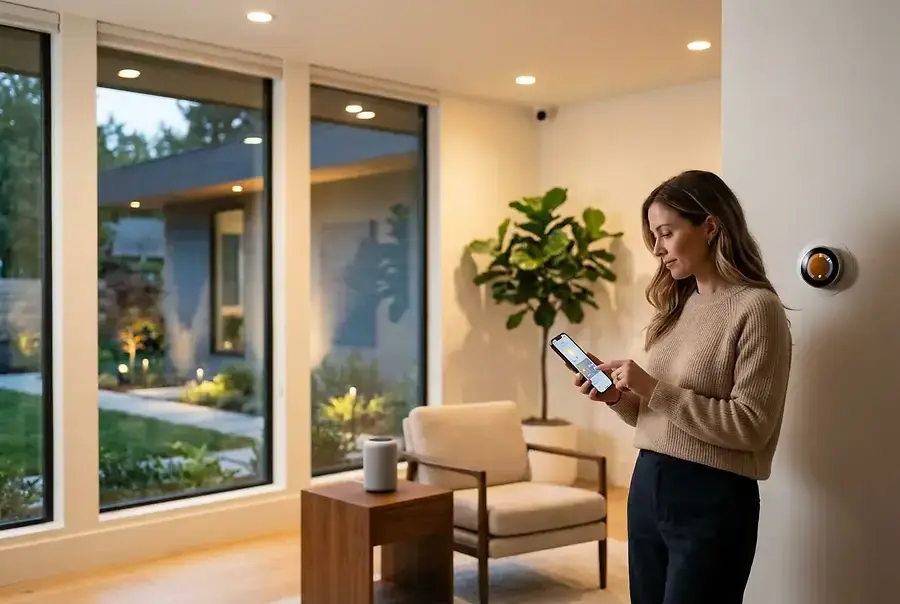
Why Smart Home Investments Matter to Today's Buyers
The real estate market has fundamentally shifted. Today's homebuyers aren't just looking for a roof over their heads—they're seeking properties equipped with the technology that makes modern living convenient, secure, and efficient. Smart home features have transitioned from luxury novelties to expected amenities that significantly influence purchasing decisions.
Homes with integrated smart technology command higher prices and sell faster than their traditional counterparts. Buyers are willing to pay premium prices for properties that offer automation, security, and energy efficiency, recognizing that these investments will save them money and enhance their quality of life. For sellers, strategic smart home upgrades represent one of the most effective ways to increase property value and appeal to the broadest range of potential buyers.
The question isn't whether to invest in smart home technology—it's which upgrades will deliver the strongest return on your investment.
High-ROI Smart Home Upgrades: Security Systems, Energy Management, and Automation
Smart Security Systems
Security remains the top priority for homebuyers, and modern smart security systems address this concern while adding convenience. Smart security systems with video doorbells, motion sensors, and smartphone monitoring capabilities are among the highest-ROI upgrades available.
- Video doorbells allow homeowners to monitor entries remotely and deter package theft
- Smart locks enable keyless entry and provide detailed access logs
- Integrated alarm systems with professional monitoring offer peace of mind
- Security cameras with cloud storage provide continuous property surveillance
These systems typically recover 70-80% of their installation costs at resale, and more importantly, they make your property immediately more attractive to security-conscious buyers.
Energy Management Systems
With rising utility costs, buyers are increasingly interested in properties that minimize energy consumption. Smart thermostats, smart lighting, and energy monitoring systems are powerful selling points that demonstrate long-term cost savings.
Smart thermostats learn homeowner preferences and optimize heating and cooling schedules, reducing energy waste. Smart lighting systems can be programmed to adjust based on occupancy and natural light levels. When combined with energy monitoring systems that track real-time consumption, these upgrades tell a compelling story about reduced utility bills.
Energy-efficient smart home features often recover 50-75% of installation costs and appeal to environmentally conscious buyers who appreciate both sustainability and savings.
Home Automation and Convenience Features
Beyond security and energy, automation features that enhance daily convenience are increasingly valued by buyers. Voice-activated assistants, smart appliances, and integrated home systems create a seamless living experience that modern buyers expect.
- Voice-controlled lighting and climate systems offer hands-free convenience
- Smart refrigerators and ovens provide remote monitoring and control
- Automated irrigation systems reduce water waste while maintaining landscaping
- Smart entertainment systems with integrated audio and video create premium living spaces
- Automated garage doors and gate systems improve security and convenience
While automation features may have lower ROI percentages than security systems, they significantly enhance the perceived value and desirability of a property, making it stand out in competitive markets.
How to Choose Smart Features That Appeal to Your Target Buyer Demographics
Understanding Your Market
Not all smart home upgrades are equally valuable in every market. The key to maximizing ROI is selecting features that resonate with your specific target buyer demographic.
Young professionals and tech-savvy buyers prioritize convenience and connectivity. For these demographics, voice assistants, smart entertainment systems, and mobile app control are highly appealing. Families with children often prioritize security and energy efficiency, making smart locks, security cameras, and thermostats more valuable investments.
Older homeowners and retirees may appreciate accessibility features like voice-controlled systems and automated climate control that reduce physical demands. Understanding who is most likely to purchase your property helps you allocate your smart home budget strategically.
Strategic Investment Approach
Rather than installing every available smart feature, focus on creating a cohesive ecosystem that tells a story about modern living. A well-integrated smart home system is more valuable than disconnected gadgets.
Start with the fundamentals: a smart security system and smart thermostat. These provide immediate value and appeal to the broadest audience. Then, add complementary features that enhance the overall experience. For example, if you install a smart thermostat, adding smart lighting that works with the same app creates a more seamless user experience.
Consider the quality and brand reputation of your smart home devices. Buyers are more confident purchasing homes with established, reliable brands rather than obscure or discontinued products. Popular platforms like major voice assistants and well-known security brands provide reassurance that the systems will continue to be supported and updated.
Professional Installation Matters
The quality of installation significantly impacts both functionality and perceived value. Professional installation ensures systems work reliably and are properly integrated, which is crucial for buyer confidence. Poorly installed smart systems can actually detract from property value, as buyers worry about compatibility issues and future maintenance costs.
Positioning Your Property as a Modern, Investment-Ready Home
Smart home features are only valuable if potential buyers understand and appreciate them. Effective marketing of your smart home upgrades is essential to realizing their full value.
Create a comprehensive smart home guide that explains all installed systems, how to use them, and the benefits they provide. Include information about energy savings, security features, and convenience capabilities. During showings, demonstrate key features like voice control, remote access, and automation routines. Let buyers experience the technology firsthand rather than simply telling them about it.
In your listing description, highlight specific smart features and their benefits. Instead of simply stating "smart thermostat," explain how it reduces energy costs and maintains optimal comfort. Emphasize security features that provide peace of mind. Showcase automation capabilities that simplify daily life.
Consider creating a short video tour that demonstrates your smart home features in action. Visual demonstrations are far more compelling than written descriptions and help buyers envision themselves living with these technologies.
Smart home investments represent a forward-thinking approach to homeownership that appeals to modern buyers. By strategically selecting high-ROI features, understanding your target market, and effectively marketing these upgrades, you position your property as a desirable, investment-ready home that commands premium pricing and attracts serious buyers quickly.