Smart Home Investment Strategies Across Seattle's Diverse Suburbs
Master the art of identifying high-value residential properties from Bellevue to Renton with insider knowledge of each neighborhood's unique market dynamics.

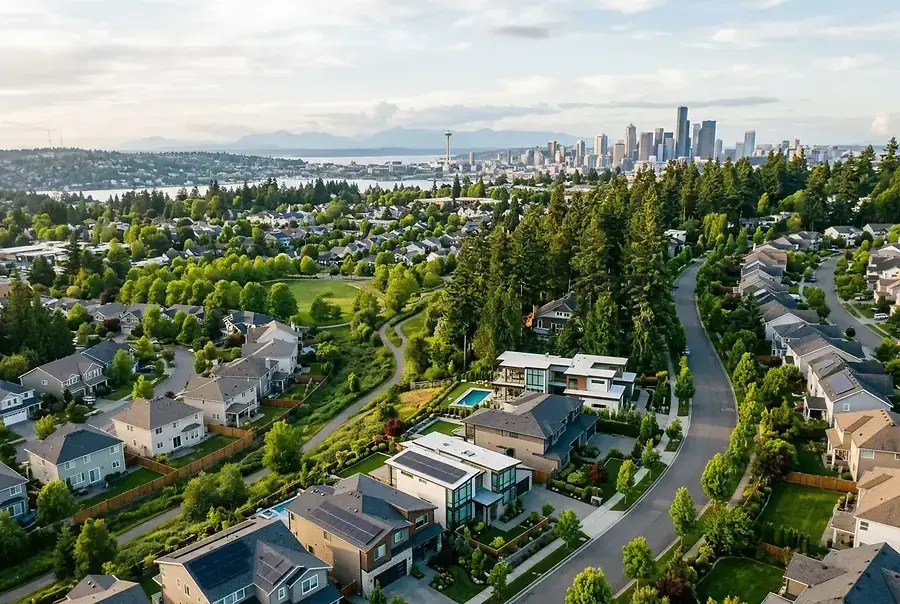
Understanding the Greater Seattle Residential Landscape
The Greater Seattle metropolitan area has emerged as one of the most dynamic real estate markets in the Pacific Northwest. With tech industry growth, population migration, and evolving neighborhood characteristics, savvy investors have unprecedented opportunities to build wealth through residential property investments. However, success requires more than enthusiasm—it demands strategic knowledge of each neighborhood's unique market position.
Seattle's suburbs offer a compelling alternative to urban living, combining affordability with strong appreciation potential. From the upscale communities of the Eastside to the emerging neighborhoods south of the city, understanding these distinct markets is essential for making informed investment decisions.
Neighborhood-by-Neighborhood Investment Analysis: Comparing Growth Potential and Affordability Across 10 Key Areas
Bellevue and Redmond: Premium Markets with Steady Growth
Bellevue remains the crown jewel of Eastside investments, characterized by excellent schools, corporate headquarters, and consistent property appreciation. While entry prices are higher, the stability and long-term value make it attractive for serious investors. Redmond, home to major tech companies, offers similar benefits with slightly more affordable entry points and strong rental demand.
Kirkland and Sammamish: Waterfront Appeal and Family-Friendly Living
Kirkland's waterfront charm and vibrant downtown district attract both homebuyers and renters seeking lifestyle amenities. Sammamish offers spacious properties and excellent schools, appealing to families willing to invest in premium neighborhoods. Both communities show consistent appreciation and strong rental yields.
Renton and Kent: Emerging Value Opportunities
South of Seattle, Renton and Kent represent emerging investment opportunities with lower entry prices and growing infrastructure development. These neighborhoods attract first-time homebuyers and investors seeking value appreciation. Proximity to employment centers and improving transit options enhance their long-term investment potential.
Federal Way and Tacoma: Affordability Meets Accessibility
Federal Way and Tacoma offer the most accessible entry points for budget-conscious investors. These communities benefit from improved transportation connections and revitalization efforts. While appreciation may be slower than premium neighborhoods, the lower acquisition costs provide excellent cash flow opportunities.
Shoreline and Edmonds: North County Stability
North of Seattle, Shoreline and Edmonds combine suburban tranquility with urban accessibility. These established neighborhoods feature strong school systems and stable property values, making them ideal for long-term buy-and-hold strategies. The communities attract families and professionals seeking balanced lifestyles.
Timing Your Purchase: Market Indicators and Seasonal Trends for Seattle Metro Homebuyers
Understanding Market Cycles
Successful real estate investors recognize that timing significantly impacts returns. The Seattle market experiences seasonal fluctuations, with spring and early summer typically bringing increased inventory and buyer activity. However, savvy investors often find better deals during fall and winter months when competition decreases.
Key Market Indicators to Monitor
- Days on Market: Properties selling quickly indicate strong demand and potential price appreciation. Slower sales may signal buyer hesitation or overpricing.
- Inventory Levels: Low inventory typically favors sellers and supports price growth. High inventory may create buyer opportunities for negotiation.
- Price-to-Rent Ratios: Compare property prices to rental income potential. Lower ratios indicate better investment returns for rental properties.
- Employment Growth: Tech sector expansion and corporate relocations directly influence residential demand and property values.
- Interest Rate Trends: Monitor mortgage rates closely, as changes significantly impact buyer purchasing power and market activity.
Seasonal Strategies for Maximum Returns
Spring Market: Expect higher prices and more competition. Use this season for properties requiring extensive updates, as buyers focus on move-in ready homes.
Summer Market: Peak buying season continues with family relocations. Properties with outdoor appeal command premium prices.
Fall Market: Inventory decreases while serious buyers remain active. Motivated sellers may offer better negotiating positions for investors.
Winter Market: Lowest competition and highest negotiating leverage. Properties may sit longer, but patient investors find exceptional deals.
Building Your Winning Home Investment Strategy
Define Your Investment Goals
Before purchasing, clarify whether you seek long-term appreciation, rental income, or quick flips. Each strategy requires different neighborhood selection and property types. Long-term investors should prioritize stable communities with strong fundamentals, while fix-and-flip investors need neighborhoods with renovation-friendly properties and strong buyer demand.
Conduct Thorough Due Diligence
Successful investors analyze comparable sales, neighborhood trends, and future development plans. Research school ratings, crime statistics, and employment centers. Understanding what drives demand in each neighborhood enables smarter investment decisions.
Build Your Investment Team
Partner with experienced real estate agents familiar with specific neighborhoods, mortgage brokers who understand investment financing, and property inspectors who identify potential issues. A strong team significantly improves investment outcomes and reduces costly mistakes.
Consider Long-Term Value Creation
"The best investment opportunities often come from understanding neighborhood trajectories before they become obvious to the general market."
Look beyond current prices to identify neighborhoods experiencing infrastructure improvements, corporate expansions, or demographic shifts. Properties in areas positioned for growth offer superior long-term returns compared to already-established premium neighborhoods.
Manage Risk Through Diversification
Rather than concentrating investments in single neighborhoods, consider spreading purchases across different communities and price points. This diversification reduces risk while capturing opportunities across the entire Seattle metro market.
Conclusion
The Greater Seattle residential market offers diverse opportunities for informed investors willing to understand neighborhood dynamics and market timing. From premium Eastside communities to emerging value neighborhoods south of the city, each area presents unique advantages for different investment strategies.
Success requires combining market knowledge with disciplined decision-making. By analyzing neighborhood fundamentals, monitoring key market indicators, and timing purchases strategically, investors can build substantial wealth through Seattle area residential real estate. The key is moving beyond generic real estate advice to develop deep understanding of specific neighborhoods and their unique investment characteristics.
Whether you're a first-time investor or experienced portfolio builder, the Seattle suburbs offer compelling opportunities for those willing to do their homework and execute thoughtfully.


