Smart Home Renovations That Increase Property Value and Buyer Appeal
Strategic improvements that maximize resale value across competitive residential markets.

Why Strategic Renovations Matter for Your Home's Worth
When it comes to selling your home, first impressions and smart investments can make all the difference. Strategic renovations aren't just about aesthetics—they're about maximizing your property's market value and appeal to potential buyers. In today's competitive real estate market, homes that have been thoughtfully updated command higher prices and sell faster than those that haven't.
The key to successful home renovations lies in understanding which improvements deliver the best return on investment (ROI). Not all upgrades are created equal, and some can actually detract from your home's value if done incorrectly. By focusing on high-impact projects that align with buyer preferences, you can build long-term equity while making your home more enjoyable to live in today.
High-ROI Renovation Projects That Attract Serious Buyers
Kitchen Upgrades
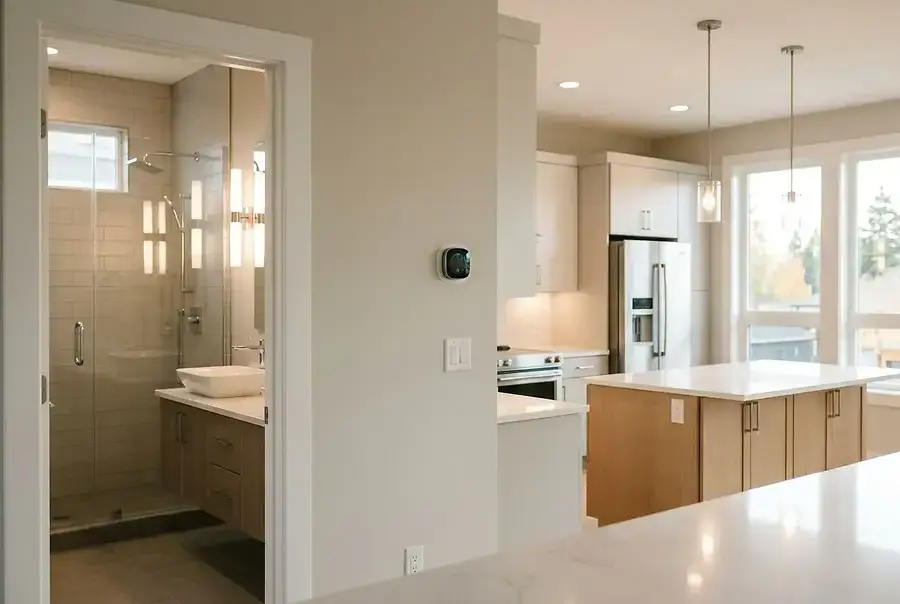
The kitchen remains one of the most important rooms in any home. Buyers often prioritize kitchens when evaluating properties, making this an excellent area for investment. Focus on modernizing appliances, updating countertops with durable materials like quartz or granite, and improving lighting. You don't need a complete overhaul—strategic updates can yield returns of 50-60% or more.
Bathroom Renovations
Updated bathrooms are a major selling point. Consider installing modern fixtures, improving ventilation, upgrading tile work, and adding contemporary lighting. Even a mid-range bathroom renovation can return 60-70% of its cost at resale. Focus on cleanliness, functionality, and contemporary design rather than overly trendy choices.
Energy-Efficient Improvements
Today's buyers care about utility costs and environmental impact. High-impact energy upgrades include:
- Installing ENERGY STAR certified windows and doors
- Upgrading to a high-efficiency HVAC system
- Adding insulation to attics and walls
- Installing solar panels or solar water heaters
- Upgrading to LED lighting throughout the home
These improvements often return 50-80% of their investment while reducing monthly utility bills.
Curb Appeal and Exterior Work
Your home's exterior is the first thing buyers see. Invest in landscaping, fresh paint, new roofing if needed, and updated entryway features. A well-maintained exterior can increase perceived value by 5-10% before buyers even step inside.
Smart Home Technology
Modern buyers appreciate smart home features like automated lighting, smart thermostats, security systems, and home automation hubs. These additions appeal to tech-savvy buyers and can justify premium pricing. The ROI varies, but smart home features increasingly influence buyer decisions.
Flooring Updates
Replacing worn carpeting with quality hardwood, laminate, or luxury vinyl plank flooring can dramatically improve a home's appearance. Flooring is one of the first things buyers notice, and updated floors suggest overall home maintenance and care.
Common Renovation Mistakes That Reduce Property Value
Over-Personalizing Your Space
While your home should reflect your personality, overly personalized renovations can alienate buyers. Avoid bold color schemes, niche design choices, and highly specialized spaces. Neutral, timeless designs appeal to a broader audience and maintain better resale value.
Choosing Style Over Substance
Trendy renovations that look great today may feel dated in a few years. Avoid chasing design fads and instead focus on classic, quality improvements that will remain appealing to future buyers. Think timeless rather than trendy.
Neglecting Structural and Mechanical Systems
Buyers conduct inspections, and hidden problems can derail sales. Don't prioritize cosmetic updates while ignoring roof condition, plumbing, electrical systems, or foundation issues. Addressing underlying problems first protects your investment and prevents buyer concerns.
Incomplete or Low-Quality Work
Half-finished projects and poor workmanship are major red flags for buyers. If you start a renovation, complete it professionally. Cutting corners on quality materials or labor can cost you far more in lost property value than investing in proper work upfront.
Renovating Beyond Your Market
A $500,000 kitchen renovation in a neighborhood where homes sell for $400,000 won't return your investment. Research your local market and ensure renovations align with comparable home values in your area. Overbuilding for your neighborhood is a common and costly mistake.
Ignoring Buyer Preferences
Renovations should reflect what buyers in your market actually want. Open floor plans, natural light, storage space, and outdoor living areas are consistently popular. Before investing, research what features drive buyer interest in your specific area.
Building Long-Term Equity Through Smart Home Improvements
The most successful home renovations balance immediate appeal with long-term value. Focus on improvements that solve real problems, enhance daily living, and align with buyer expectations. Rather than attempting everything at once, prioritize projects based on ROI and your home's specific needs.
Start with a professional home inspection to identify any issues that need addressing. Then, tackle high-ROI projects like kitchen and bathroom updates, energy efficiency improvements, and curb appeal enhancements. These investments not only increase your property's market value but also improve your quality of life while you own the home.
Remember: the best renovations are those that combine smart financial planning with genuine improvements to your home's functionality and appeal.
By making strategic choices and avoiding common pitfalls, you can maximize your home's resale value while creating a space you love. Whether you're planning to sell soon or building long-term equity, smart renovations are an investment in your property's future.