Smart Home Technology Adds Value to Kingwood and Houston Homes
Learn how modern smart home upgrades can increase your property's appeal and resale value in today's competitive Texas market.

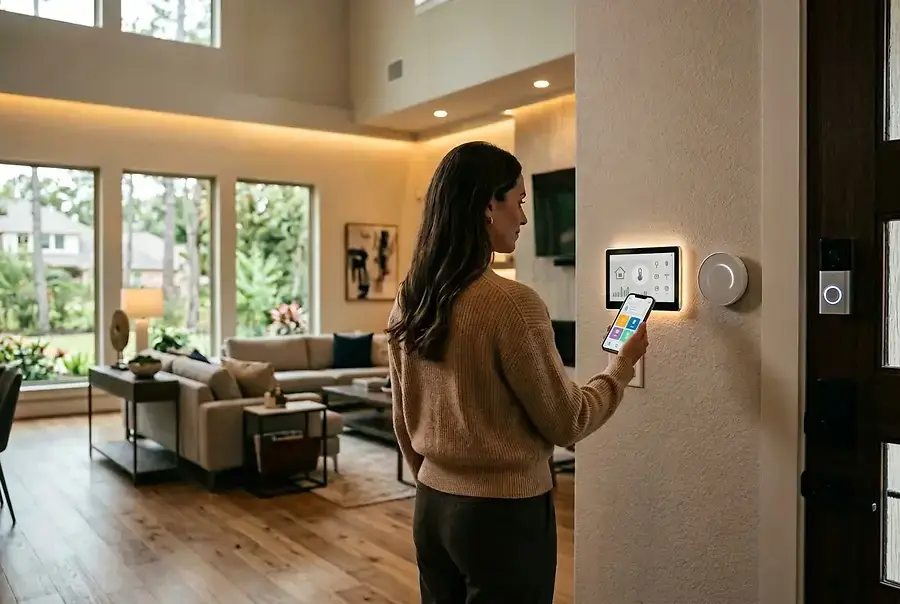
The Growing Demand for Smart Homes in Kingwood and Houston
The real estate market in Kingwood and Houston has undergone a significant transformation in recent years. Today's homebuyers are no longer satisfied with traditional properties—they're actively seeking homes equipped with cutting-edge smart home technology. This shift in buyer preferences has created a unique opportunity for homeowners looking to increase their property's market value and appeal.
Smart home technology has transitioned from a luxury feature to an expected amenity in competitive markets like the Greater Houston area. Buyers recognize that intelligent home systems offer convenience, security, and energy efficiency—benefits that directly impact their quality of life and long-term savings. Properties featuring these upgrades consistently command higher prices and spend less time on the market.
Essential Smart Home Features That Buyers Want Most
Smart Security Systems
Security remains the top priority for homebuyers in Kingwood and Houston. Modern smart security systems that include video doorbells, motion-activated cameras, and smartphone-controlled locks provide peace of mind and convenience. Buyers appreciate the ability to monitor their homes remotely and receive real-time alerts about potential security concerns.
- Video doorbell systems allow homeowners to see and communicate with visitors from anywhere
- Smart locks eliminate the need for physical keys and enable keyless entry for family members and guests
- Integrated alarm systems connected to mobile devices provide instant notifications and emergency response capabilities
Energy Management and Climate Control
In the Texas climate, energy efficiency is a major selling point. Smart thermostats that learn household patterns and automatically adjust temperatures can significantly reduce utility bills. Buyers are particularly interested in systems that provide remote control and detailed energy consumption reports.
Smart lighting systems that adjust brightness and color temperature throughout the day not only enhance ambiance but also reduce energy consumption. Programmable systems can simulate occupancy when homeowners are away, adding an extra layer of security while maintaining energy efficiency.
Home Automation and Convenience Features
Beyond security and energy management, buyers value the convenience factor. Smart home hubs that control multiple devices through voice commands or mobile apps create a seamless living experience. Popular features include:
- Automated garage door openers with smartphone control
- Smart irrigation systems that adjust watering schedules based on weather conditions
- Integrated entertainment systems with whole-home audio and video
- Smart appliances that can be monitored and controlled remotely
Health and Wellness Technology
Modern homebuyers increasingly value health-conscious features. Air quality monitors, smart ventilation systems, and water filtration controls appeal to families concerned about their well-being. These systems demonstrate a commitment to maintaining a healthy living environment.
ROI and Cost Considerations for Smart Home Upgrades
Understanding Your Investment
While smart home upgrades require an initial investment, the return on investment can be substantial. Studies show that homes with smart technology features sell for 3-5% more than comparable properties without these upgrades. In the Kingwood and Houston markets, this can translate to tens of thousands of dollars in added value.
Budget-friendly options exist for homeowners at every price point. You don't need to install every available technology—focusing on the most sought-after features provides the best return. Smart thermostats, video doorbells, and smart locks typically offer the strongest ROI.
Prioritizing Your Upgrades
Not all smart home upgrades are created equal when it comes to resale value. Consider these factors when planning your investments:
- Market demand: Focus on features that appeal to the majority of buyers in your area
- Installation costs: Some upgrades require professional installation, which adds to the total expense
- Compatibility: Choose systems that work together seamlessly and use popular platforms
- Longevity: Select technology that won't become obsolete quickly
Cost-Effective Implementation Strategies
Smart home upgrades don't require a complete overhaul. Phased implementation allows you to spread costs over time while gradually modernizing your home. Start with high-impact, affordable upgrades like smart thermostats and video doorbells, then expand to more comprehensive systems as your budget allows.
"Smart home technology has become a key differentiator in today's real estate market. Homes with these features attract more qualified buyers and command premium prices," says real estate experts in the Houston area.
Calculating Your Potential Return
A typical smart home upgrade package—including a smart thermostat, video doorbell, smart locks, and lighting controls—might cost between $3,000 and $8,000 installed. Given the 3-5% increase in home value, a $400,000 home could see an added value of $12,000 to $20,000, providing a solid return on investment.
Positioning Your Home as a Modern, Tech-Forward Property
Marketing Your Smart Home Features
Once you've invested in smart home technology, make sure potential buyers know about it. Highlight these features prominently in your listing description and during showings. Create a simple guide explaining how the systems work and the benefits they provide.
Documentation and Warranties
Keep all documentation, warranties, and user manuals for installed systems. This information reassures buyers and demonstrates that the upgrades were professionally installed and properly maintained. Provide login credentials and setup instructions to make the transition seamless for new owners.
The Competitive Advantage
In Kingwood and Houston's competitive real estate market, smart home technology provides a significant competitive advantage. Properties with these features stand out in online listings, attract more showings, and generate stronger buyer interest. The combination of increased appeal, higher perceived value, and genuine functional benefits makes smart home upgrades a smart investment for any homeowner planning to sell.
The bottom line: Smart home technology is no longer a luxury—it's an investment in your home's future value and marketability. By strategically implementing the features that matter most to buyers in your area, you can enhance your property's appeal and maximize your return when it's time to sell.