Smart Home Technology: Boosting Residential Property Values Worldwide
Discover how modern smart home features are transforming buyer expectations and increasing home values across residential markets worldwide.

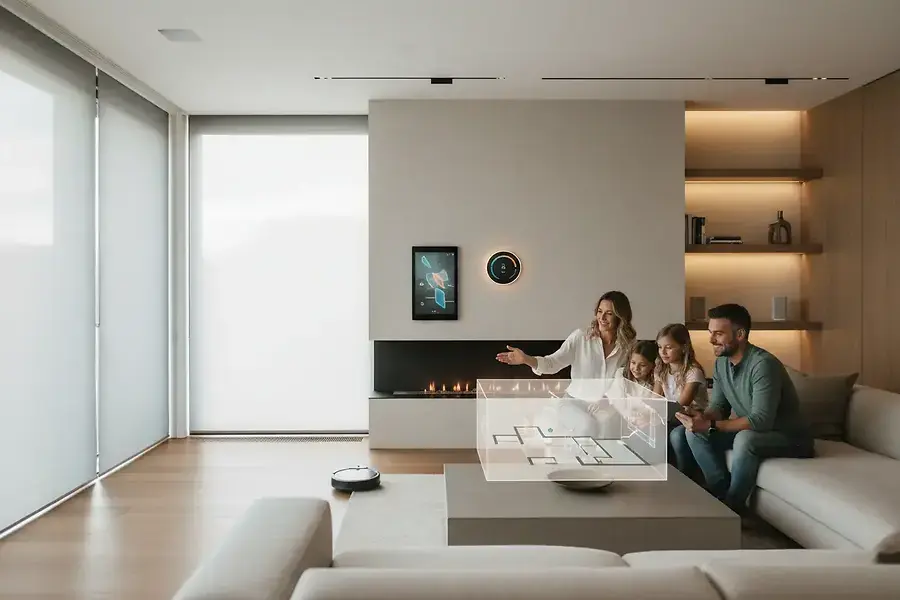
The Rise of Smart Home Demand in Residential Markets
The residential real estate landscape is undergoing a significant transformation. Today's homebuyers are no longer satisfied with traditional properties—they expect modern conveniences, energy efficiency, and seamless connectivity. Smart home technology has evolved from a luxury feature to a fundamental expectation in competitive real estate markets worldwide.
The demand for smart homes continues to accelerate as consumers become increasingly tech-savvy and environmentally conscious. Properties equipped with intelligent systems for lighting, climate control, security, and energy management are commanding premium prices and attracting a broader pool of qualified buyers. This shift represents a fundamental change in how residential properties are valued and marketed.
How Smart Home Features Impact Property Valuation and Buyer Appeal
Enhanced Property Values
Research indicates that homes with integrated smart home systems can see property value increases of 3-5% or more, depending on the market and specific features installed. Buyers recognize that these investments reduce long-term operational costs and provide superior living experiences. Key value-adding features include:
- Smart Security Systems: Integrated cameras, smart locks, and alarm systems provide peace of mind and reduce insurance premiums
- Energy Management: Automated HVAC systems, smart thermostats, and intelligent lighting reduce utility bills significantly
- Home Automation: Voice-controlled systems and centralized management platforms enhance convenience and lifestyle quality
- Water Conservation: Smart irrigation and leak detection systems appeal to environmentally conscious buyers
Buyer Expectations and Market Competitiveness
In today's market, smart home features are becoming standard rather than exceptional. Properties lacking these technologies may struggle to attract serious buyers or command competitive prices. Buyers increasingly view smart home integration as an essential component of modern living, similar to how previous generations viewed electricity or indoor plumbing.
The appeal extends beyond mere convenience. Smart homes offer tangible benefits including reduced energy consumption, improved security, remote property management, and enhanced comfort. These practical advantages translate directly into buyer willingness to pay premium prices.
Smart Home Integration Across Different Markets: Dubai, High Point, and Global Trends
Dubai's Luxury Smart Home Market
Dubai represents the pinnacle of smart home integration in residential real estate. The emirate's ultra-luxury properties feature cutting-edge automation systems, including voice-activated controls, integrated entertainment systems, and sophisticated climate management. Dubai's affluent buyers expect nothing less than state-of-the-art technology, and developers have responded by making smart home features standard in premium residential developments.
The Dubai market demonstrates how smart home technology can command significant premiums in high-end properties, with some developments offering fully integrated systems as baseline features rather than optional upgrades.
High Point and Mid-Market Adoption
High Point, North Carolina, and similar mid-market regions are experiencing rapid smart home adoption at more accessible price points. Builders and developers in these markets recognize that smart home features appeal to middle-class homebuyers seeking value and efficiency. Smart home integration in mid-market properties focuses on practical, cost-effective solutions that deliver measurable returns on investment.
Features like programmable thermostats, smart lighting, and basic home security systems are becoming standard offerings rather than premium add-ons, making smart home technology accessible to broader demographics.
Global Trends and Market Variations
Across Europe, Asia, and North America, smart home adoption varies based on local market maturity, consumer preferences, and regulatory environments. However, the overall trend is unmistakable: smart home technology is becoming a global standard in residential real estate.
- Europe: Emphasis on energy efficiency and sustainability drives smart home adoption
- Asia-Pacific: Rapid urbanization and tech-forward populations accelerate smart home integration
- North America: Diverse market adoption with strong growth in suburban and urban residential segments
Key Considerations for Property Owners
When implementing smart home technology, property owners should consider:
- Compatibility and integration across multiple systems and platforms
- Future-proofing investments through scalable, upgradeable solutions
- User-friendly interfaces that appeal to diverse buyer demographics
- Professional installation and ongoing technical support
- Clear documentation of systems and warranties for potential buyers
Conclusion: Positioning Your Residential Property for Today's Tech-Savvy Buyers
The residential real estate market has fundamentally shifted. Smart home technology is no longer optional—it's essential for competitive positioning in virtually every market segment, from luxury developments to mid-range residential properties.
Property owners and developers who embrace smart home integration position themselves advantageously in an increasingly competitive market. The investment in modern technology delivers measurable returns through higher property valuations, faster sales, and greater buyer satisfaction.
The future of residential real estate belongs to properties that seamlessly blend comfort, efficiency, and technology. Whether you're selling a luxury penthouse in Dubai or a suburban home in High Point, smart home features have become the language of modern real estate. By investing in these technologies today, you're not just enhancing your property—you're future-proofing your investment and meeting the expectations of tomorrow's homebuyers.
The question is no longer whether to invest in smart home technology, but rather how to implement it strategically to maximize your property's appeal and value in an increasingly tech-driven residential market.