Smart Home Technology: Essential Features for Modern Residential Buyers
Discover which smart home upgrades add real value to residential properties and how to evaluate them before you buy.

Introduction: The Growing Role of Smart Home Technology in Residential Real Estate
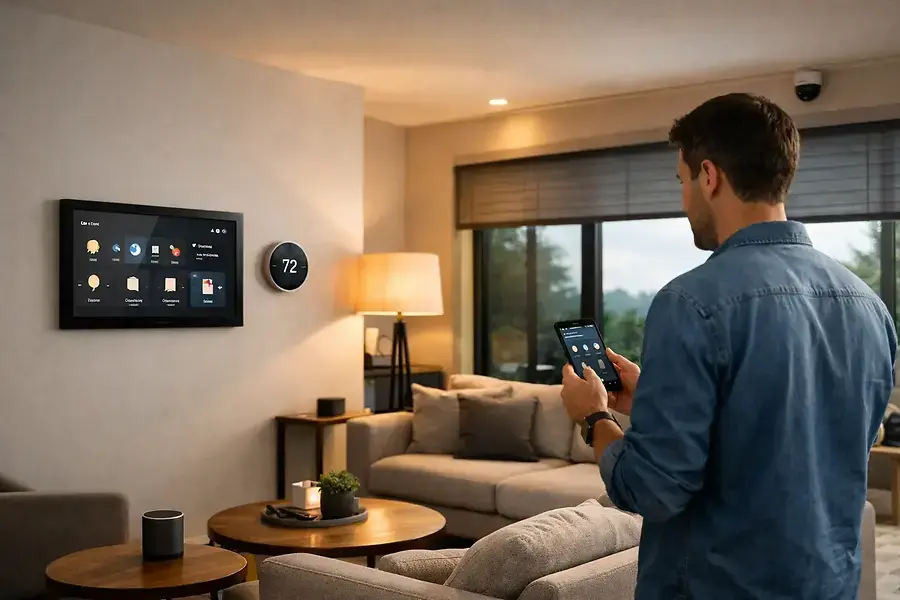
Smart home technology has transitioned from a luxury novelty to an increasingly expected feature in modern residential properties. Today's homebuyers are looking beyond traditional amenities and considering how automation, connectivity, and intelligent systems can enhance their daily living experience. However, not all smart home features are created equal, and understanding which upgrades genuinely add value is crucial for making informed purchasing decisions.
The real estate market has evolved significantly, with smart home integration becoming a key differentiator between properties. Buyers want to know that their investment includes reliable, well-integrated systems that will serve them for years to come. This guide explores the essential smart home features that matter most to residential buyers and provides practical advice for evaluating these systems before making your purchase.
Essential Smart Home Features That Increase Property Value
Security and Access Control Systems
One of the most valued smart home features is an integrated security system. Modern buyers appreciate smart locks, video doorbells, and comprehensive surveillance systems that provide both convenience and peace of mind. These systems allow homeowners to monitor their property remotely, grant access to guests or service providers, and receive real-time alerts about unusual activity.
Key security features to look for include:
- Smart locks with keyless entry and remote access capabilities
- Video doorbells with high-definition recording and night vision
- Integrated security cameras with cloud storage options
- Motion sensors and alarm systems with smartphone notifications
- Smart lighting that can simulate occupancy when homeowners are away
Climate Control and Energy Management
Smart thermostats and HVAC systems represent one of the most practical investments in a smart home. These systems learn household patterns, optimize energy usage, and can be controlled remotely, leading to significant utility savings. Buyers are increasingly conscious of energy efficiency and appreciate systems that reduce their environmental footprint while lowering monthly bills.
Beyond thermostats, comprehensive energy management systems that monitor electricity usage, control smart outlets, and integrate with renewable energy sources are becoming more attractive. Properties with these systems often command premium prices due to their long-term cost savings potential.
Lighting and Automation
Smart lighting systems offer both aesthetic appeal and practical benefits. Programmable lighting that adjusts based on time of day, occupancy, or user preference enhances comfort and convenience. Voice-controlled lighting and automated scenes that adjust multiple lights simultaneously appeal to tech-savvy buyers who value seamless integration.
Home automation that extends beyond lighting—including automated blinds, garage doors, and irrigation systems—demonstrates a comprehensive approach to smart home living that adds genuine value to properties.
Entertainment and Connectivity
Whole-home audio systems, integrated streaming capabilities, and smart entertainment hubs are increasingly expected in modern homes. Buyers appreciate properties with structured cabling, robust Wi-Fi infrastructure, and pre-installed entertainment systems that eliminate the need for extensive upgrades.
How to Assess Smart Home Systems During Property Inspections
Request Complete System Documentation
Before purchasing a smart home property, request comprehensive documentation of all installed systems. This should include user manuals, warranty information, installation dates, and a complete inventory of devices and their specifications. Understanding what systems are in place and their age helps you anticipate future replacement costs.
Verify Compatibility and Integration
Assess whether systems work together seamlessly:
- Check if devices use common platforms or require multiple apps for control
- Verify that systems are compatible with popular voice assistants
- Confirm that automation routines function properly across different devices
- Test remote access capabilities and cloud connectivity
Fragmented systems that don't integrate well may require significant investment to unify, reducing the actual value of the smart home features.
Evaluate System Age and Support
Smart home technology evolves rapidly, and older systems may lack support, updates, or compatibility with newer devices. Ask about the installation date of major components and whether manufacturers still provide software updates. Systems that are more than five years old may require upgrades sooner than expected.
Test Functionality and Performance
During your inspection, request demonstrations of key systems. Test smart locks, thermostats, lighting controls, and security cameras to ensure they function reliably. Poor performance or frequent disconnections are red flags that suggest underlying issues or inadequate infrastructure.
Assess Network Infrastructure
Smart home systems depend on robust Wi-Fi and network infrastructure. Verify that the property has adequate coverage throughout, with strong signal strength in all areas. Outdated routers or limited bandwidth can severely impact system performance and user experience.
Review Subscription and Maintenance Costs
Many smart home systems require ongoing subscriptions for cloud storage, advanced features, or professional monitoring. Calculate these recurring costs and factor them into your overall investment. Some systems also require regular maintenance or professional servicing, which should be considered in your long-term budget.
Understand Transferability and Ownership
Clarify which systems transfer to the new owner and which the current owner plans to remove. Some smart home devices are portable, while others are integrated into the home's infrastructure. Understanding these distinctions prevents surprises after purchase and helps you accurately assess the true value of the smart home features.
Conclusion: Making Informed Decisions About Smart Home-Equipped Homes
Smart home technology can genuinely enhance residential properties and improve quality of life, but only when systems are well-chosen, properly integrated, and well-maintained. As a buyer, your role is to look beyond the marketing appeal of smart features and critically evaluate whether they represent genuine value for your specific needs and circumstances.
Focus on systems that address your priorities—whether that's security, energy efficiency, convenience, or entertainment. Verify that systems work together seamlessly, understand the long-term costs of ownership, and ensure that infrastructure supports reliable performance. By conducting thorough assessments during the inspection process, you'll make confident decisions about smart home-equipped properties and avoid overpaying for features that don't align with your lifestyle.
The most valuable smart home is one that you'll actually use and enjoy for years to come.


