Smart Home Technology Investments That Increase Resale Value
Discover which modern upgrades buyers are willing to pay premium prices for and how to implement them strategically.

Why Smart Home Features Matter to Today's Buyers
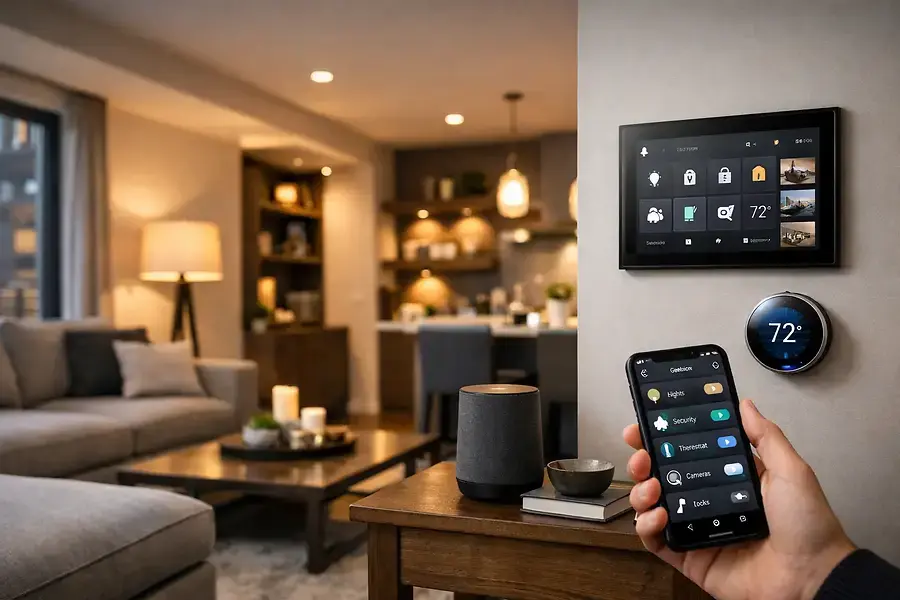
The real estate market has fundamentally shifted. Today's homebuyers aren't just looking for four walls and a roof—they're seeking properties equipped with the latest smart home technology. Modern buyers expect convenience, security, and energy efficiency, and they're willing to pay premium prices for homes that deliver on these fronts.
Smart home features have transitioned from luxury novelties to practical necessities. Buyers recognize that these investments reduce utility costs, enhance security, and improve daily living. Properties with integrated smart systems consistently sell faster and command higher prices than comparable homes without these upgrades.
The competitive advantage is clear: homes with smart technology appeal to a broader demographic, from tech-savvy millennials to efficiency-conscious families. By strategically investing in the right upgrades, homeowners can significantly increase their property's market value and appeal.
High-ROI Smart Home Upgrades: Security Systems, Energy Management, and Automation
Smart Security Systems
Security is the top priority for homebuyers, making smart security systems one of the highest-return investments. Modern buyers expect integrated doorbell cameras, smart locks, and alarm systems that can be monitored remotely.
- Video doorbells with cloud storage and real-time alerts
- Smart locks that eliminate the need for physical keys
- Integrated alarm systems with smartphone notifications
- Motion-activated outdoor lighting
These systems typically offer a return on investment of 50-70%, making them among the most cost-effective upgrades available. Buyers appreciate the peace of mind and convenience these features provide.
Energy Management Systems
Rising energy costs have made efficiency a major selling point. Smart thermostats, LED lighting, and energy monitoring systems demonstrate long-term savings potential that resonates with environmentally conscious buyers.
- Programmable smart thermostats that learn user preferences
- Smart lighting systems with scheduling and dimming capabilities
- Energy monitoring devices that track consumption in real-time
- Smart water heaters with remote control features
Energy management upgrades typically recoup 40-60% of their investment at resale. Beyond the financial return, these systems appeal to buyers seeking to reduce their carbon footprint and monthly utility bills.
Home Automation and Control Systems
Integrated home automation platforms create a seamless living experience that buyers find irresistible. Voice-activated assistants, smart speakers, and centralized control hubs simplify daily routines and enhance comfort.
- Voice-controlled lighting and temperature adjustments
- Automated blinds and window coverings
- Smart entertainment systems with multi-room audio
- Integrated home hubs that control multiple devices
While automation systems may offer lower direct ROI (30-40%), they significantly enhance the overall appeal and perceived value of a property, making homes more attractive to discerning buyers.
Implementation Strategy: Balancing Cost, Appeal, and Market Demand
Assess Your Local Market
Not all smart home upgrades deliver equal returns in every market. Research your local real estate trends and buyer preferences before making significant investments. Homes in tech-forward urban areas may command higher premiums for advanced automation, while suburban markets may prioritize security and energy efficiency.
Consult with local real estate agents to understand which features are most valued in your area. This insight ensures your investments align with buyer expectations and market demand.
Prioritize High-Impact, Cost-Effective Upgrades
Start with upgrades that offer the best return on investment and broadest appeal. Smart doorbells, programmable thermostats, and basic security systems should be your foundation. These relatively affordable upgrades deliver immediate impact without requiring extensive rewiring or professional installation.
Once these basics are in place, consider more advanced features based on your market research and budget. This phased approach minimizes risk while maximizing returns.
Ensure Compatibility and Integration
Choose devices and systems that work together seamlessly. Fragmented technology that requires multiple apps and interfaces frustrates buyers and reduces perceived value. Opt for platforms with strong ecosystem support and widespread compatibility.
Popular platforms like major voice assistants and smart home hubs provide excellent integration options. Avoid proprietary systems that limit future expansion or compatibility with other devices.
Professional Installation Matters
While DIY installation can save money, professional setup demonstrates quality and reliability to potential buyers. Proper installation ensures systems function optimally and provides documentation that reassures buyers. This investment in presentation often pays dividends at resale.
Positioning Your Property as a Modern, Desirable Investment
Smart home upgrades are only valuable if buyers understand and appreciate them. Highlight these features prominently in your listing and during showings. Create a simple guide explaining how systems work and the benefits they provide.
During open houses, demonstrate key features like voice control, remote locking, and energy monitoring. Let buyers experience the convenience firsthand—this tangible experience often translates into higher offers.
Smart home technology has become a decisive factor in real estate decisions. Properties that embrace these upgrades position themselves as forward-thinking investments that appeal to modern buyers seeking convenience, security, and efficiency.
By strategically investing in high-ROI smart home features, conducting thorough market research, and effectively communicating these upgrades' value, homeowners can significantly increase their property's resale value. The future of real estate belongs to homes that combine traditional appeal with modern technology—and the time to invest is now.


