Smart Home Technology That Increases Residential Property Value
Discover which modern upgrades buyers actually want and how they impact your home's resale potential.

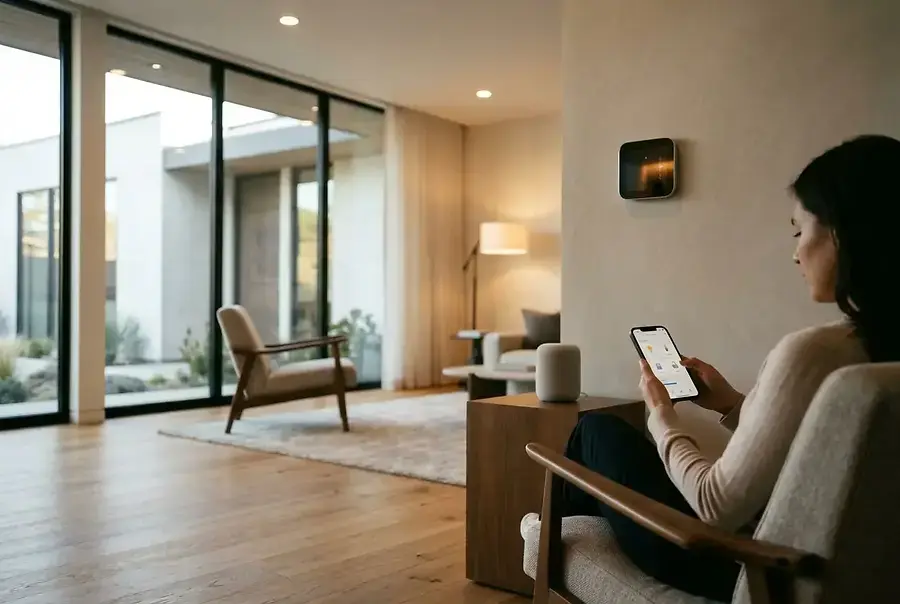
Why Smart Home Features Matter to Today's Buyers
The real estate market has fundamentally shifted. Today's homebuyers aren't just looking for four walls and a roof—they're seeking homes equipped with the technology that makes modern living convenient, secure, and efficient. Smart home features have transitioned from luxury novelties to expected amenities that significantly influence purchasing decisions and property valuations.
According to recent market data, homes with smart technology sell faster and often command premium prices compared to traditional properties. Buyers recognize that investing in a smart home means reduced utility bills, enhanced security, and the convenience of controlling their living environment from anywhere. For sellers, this presents a compelling opportunity: strategic smart home upgrades can substantially increase your property's appeal and resale value.
The key to maximizing your return on investment is understanding which upgrades matter most to buyers in your market and implementing them strategically rather than haphazardly.
Essential Smart Home Upgrades That Deliver ROI
Smart Thermostats and Climate Control
Smart thermostats are among the most popular and cost-effective upgrades homeowners can make. These devices learn your preferences, adjust temperatures automatically, and provide energy consumption data that appeals to environmentally conscious buyers. The combination of comfort and savings makes this upgrade a high-priority investment that typically recovers 50-100% of its cost at resale.
Security Systems and Smart Locks
Home security is a universal concern. Smart locks, video doorbells, and integrated security systems provide peace of mind and modern convenience. Buyers are willing to pay premium prices for homes with professional-grade security technology already installed. These systems offer:
- Remote access and monitoring capabilities
- Integration with smartphone apps for real-time alerts
- Elimination of lost keys and rekeying costs
- Detailed entry logs for enhanced safety
Lighting Automation
Smart lighting systems that can be controlled remotely, scheduled automatically, or voice-activated create an impression of a modern, sophisticated home. Beyond aesthetics, automated lighting reduces energy consumption and enhances security by allowing homeowners to simulate occupancy when away. This relatively affordable upgrade significantly boosts perceived home value.
Home Entertainment and Audio Systems
Whole-home audio systems and integrated entertainment setups appeal to buyers seeking lifestyle upgrades. While not essential, these features can differentiate your home in competitive markets and justify higher asking prices, particularly in upscale neighborhoods.
Smart Appliances
Energy-efficient smart appliances—refrigerators, washers, dryers, and dishwashers—demonstrate a commitment to modern living. While individual appliance upgrades may not provide full ROI, replacing outdated appliances with smart alternatives during renovations sends a strong message about the home's overall condition and forward-thinking design.
Water Management Systems
Smart irrigation systems and leak detection technology appeal to environmentally conscious buyers and those concerned about water conservation. In regions facing water scarcity, these upgrades can be particularly valuable and may even qualify for tax incentives.
Common Mistakes Homeowners Make When Adding Smart Technology
Over-Investing in Niche Technology
Not all smart home features deliver equal returns. Homeowners sometimes invest heavily in specialized systems—like smart wine coolers or automated pet feeders—that appeal to very specific buyers. Focus on universal upgrades that appeal to the broadest audience rather than niche technologies that may not resonate with most potential buyers.
Choosing Incompatible Systems
One of the biggest mistakes is installing smart devices that don't work together seamlessly. Buyers expect integrated systems where devices communicate and function as a cohesive ecosystem. Fragmented technology from multiple manufacturers that requires different apps and interfaces creates frustration rather than value. Before purchasing, ensure your smart home devices are compatible and can integrate with popular platforms like Amazon Alexa, Google Home, or Apple HomeKit.
Poor Installation and Integration
Visible wiring, incomplete installations, or systems that don't function properly damage your home's appeal. Professional installation matters. Buyers expect smart home technology to work flawlessly. Shoddy implementation suggests the entire home may have been maintained poorly, creating doubt about other systems and structures.
Neglecting User Experience
Complex systems that require extensive training or technical knowledge deter buyers. The best smart home upgrades are intuitive and user-friendly. If potential buyers can't immediately understand how to use your smart features, they'll perceive them as burdensome rather than beneficial.
Ignoring Market Preferences
Smart home preferences vary by region, neighborhood, and demographic. A luxury smart home system might be essential in an upscale urban market but unnecessary in a rural area. Research your local market to understand which upgrades resonate with your target buyer demographic.
Forgetting About Security and Privacy
Buyers increasingly worry about cybersecurity and data privacy. Ensure all smart home systems have strong security features, regular software updates, and clear privacy policies. Being able to explain how your smart home protects personal data builds confidence in your technology investments.
Positioning Your Home Competitively in the Modern Market
Smart home technology is no longer optional in competitive real estate markets—it's becoming expected. Homes without modern technology may struggle to attract serious buyers or command competitive prices. However, strategic, well-executed smart home upgrades can:
- Reduce time on market by 10-20%
- Increase property value by 3-5%
- Appeal to younger, tech-savvy buyers
- Demonstrate responsible home maintenance
- Provide tangible energy and cost savings
The most successful approach combines essential upgrades (smart thermostats, security systems, and lighting) with quality installation and seamless integration. Document all smart home features, provide buyer education materials, and ensure everything functions perfectly during showings.
As technology continues evolving, homes equipped with modern smart systems will increasingly appeal to buyers seeking convenience, security, and efficiency. By making thoughtful, strategic investments in smart home technology, you're not just enhancing your current living experience—you're significantly improving your home's competitive position and resale potential in today's market.


