Smart Home Technology Trends in Minnesota and Florida Markets
Discover how smart home features are transforming residential property values and buyer expectations across the Twin Cities and Southwest Florida.

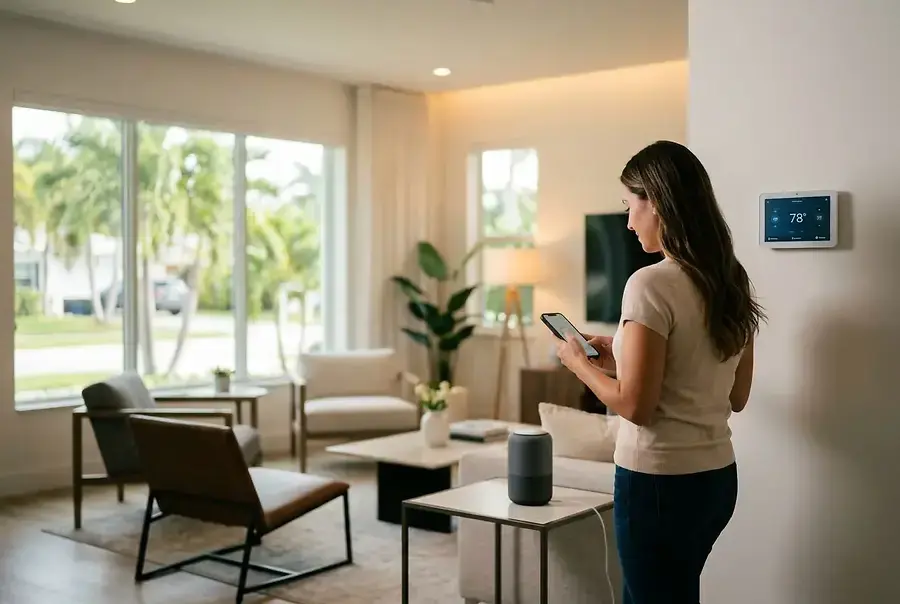
Introduction: The Smart Home Revolution in Residential Real Estate
The residential real estate market is experiencing a fundamental shift driven by smart home technology. What was once considered a luxury amenity is now becoming a standard expectation among homebuyers. From automated climate control systems to integrated security networks, smart home features are reshaping how properties are valued, marketed, and sold across the nation.
In markets like Minnesota's Twin Cities and Southwest Florida, this technological revolution is particularly pronounced. These regions attract diverse buyer demographics—from young professionals seeking convenience to retirees prioritizing safety and accessibility. Understanding the smart home trends in these specific markets is essential for sellers looking to maximize property value and appeal to today's discerning buyers.
Smart Home Features That Increase Property Value and Appeal
Security and Access Systems
Modern smart security systems have become a primary selling point for residential properties. Smart locks, video doorbells, and integrated surveillance systems provide homeowners with peace of mind and remote monitoring capabilities. These features appeal to buyers across all demographics, from busy professionals to families concerned about home safety.
Properties equipped with professional-grade smart security systems often command premium prices. The ability to monitor and control access from anywhere in the world has transformed buyer expectations, making traditional locks feel outdated.
Climate Control and Energy Efficiency
Smart thermostats and HVAC systems represent one of the most valuable smart home investments. Programmable temperature control, learning algorithms, and energy usage reports appeal to environmentally conscious buyers and those seeking to reduce utility costs.
- Automated temperature adjustments based on occupancy patterns
- Remote climate control via smartphone applications
- Energy consumption tracking and optimization recommendations
- Integration with renewable energy systems
In Minnesota's cold winters and Florida's hot, humid summers, efficient climate control systems are particularly valuable. Buyers recognize that smart HVAC systems can significantly reduce energy bills while maintaining optimal comfort levels year-round.
Lighting and Ambiance Control
Smart lighting systems go beyond simple on-off switches. Color-changing bulbs, automated scheduling, and voice-activated controls create an enhanced living experience that appeals to modern buyers. These systems can be programmed to simulate occupancy when homeowners are away, adding an extra layer of security.
Home Entertainment and Connectivity
Integrated entertainment systems, whole-home audio, and high-speed internet infrastructure are increasingly important to buyers. Properties with pre-installed wiring for smart speakers, streaming devices, and multi-room audio systems appeal to tech-savvy families and professionals who work from home.
Regional Preferences: What Minnesota and Florida Buyers Want
Minnesota Market Insights
Twin Cities buyers demonstrate a strong preference for practical, efficiency-focused smart home features. The region's harsh winters make energy-efficient systems particularly attractive. Homebuyers in Minnesota prioritize:
- Smart thermostats that reduce heating costs during long winters
- Automated snow melt systems for driveways and walkways
- Integrated security systems for seasonal properties and vacation homes
- Smart lighting that combats seasonal affective disorder with customizable color temperatures
Minnesota's tech-forward population, influenced by the region's strong technology sector, expects homes to feature modern connectivity infrastructure. High-speed internet, robust WiFi networks, and smart home hubs are standard expectations rather than premium features.
Southwest Florida Market Insights
Florida buyers, particularly in Southwest Florida, emphasize comfort, convenience, and security features suited to the subtropical climate. The region's unique demographic—including many retirees and seasonal residents—creates distinct preferences:
- Smart irrigation systems that optimize water usage in the humid climate
- Advanced security systems for properties left unoccupied during summer months
- Smart pool and spa controls for year-round enjoyment
- Hurricane-resistant smart home systems with backup power capabilities
- Voice-activated controls for accessibility and convenience
Florida's aging population shows strong interest in smart home features that enhance accessibility and safety. Voice-controlled lighting, automated door locks, and remote monitoring systems appeal to buyers seeking to age in place comfortably.
Shared Preferences Across Both Markets
Despite regional differences, both Minnesota and Florida buyers value:
- Reliability and professional installation over DIY solutions
- Integration and compatibility between different smart home systems
- User-friendly interfaces that don't require technical expertise
- Strong cybersecurity features to protect personal data and home systems
Conclusion: Positioning Your Property for Today's Tech-Savvy Buyers
Smart home technology is no longer a niche market feature—it's a fundamental expectation in residential real estate. Whether you're selling in Minnesota's competitive Twin Cities market or Southwest Florida's diverse buyer landscape, incorporating smart home features can significantly enhance property appeal and value.
The most successful approach involves selecting features that align with regional preferences and buyer demographics. Rather than installing every available technology, focus on systems that solve real problems: energy efficiency in cold climates, water conservation in warm climates, and security features that appeal to your target buyer.
Properties that thoughtfully integrate smart home technology—with professional installation, clear documentation, and user-friendly systems—will stand out in competitive markets. As buyer expectations continue to evolve, homes equipped with modern smart features will command premium prices and sell more quickly than their non-automated counterparts.
The smart home revolution isn't coming to residential real estate—it's already here. By understanding regional preferences and investing in the right technologies, you can position your property to appeal to today's tech-savvy buyers and maximize your return on investment.