Smart Home Technology Trends Reshaping the DMV Real Estate Market
Discover how modern smart home features are increasing property values and attracting today's homebuyers in Arlington, Maryland, and Virginia.

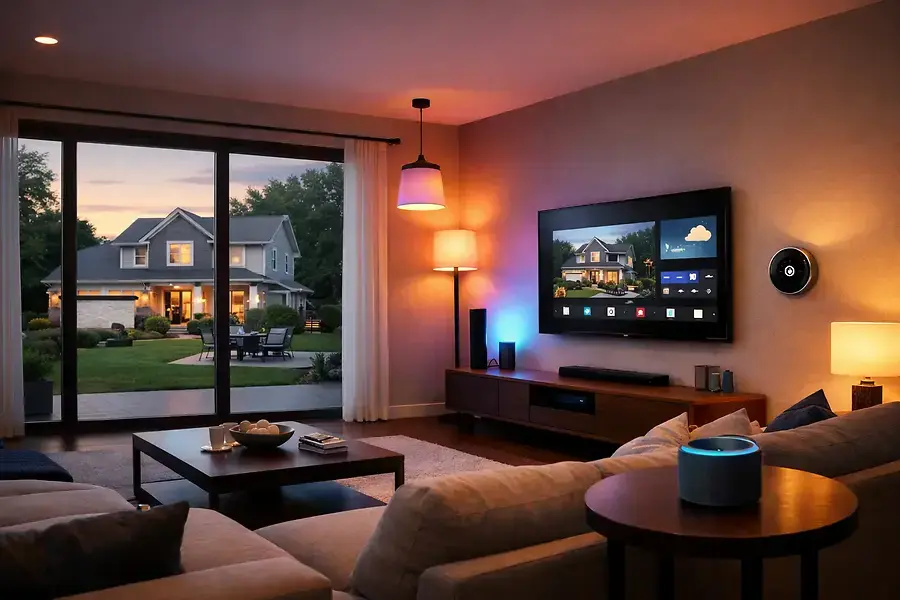
Introduction: The Growing Demand for Smart Home Features in Northern Virginia
The real estate landscape in the DMV region—encompassing Arlington, Maryland, and Virginia—is undergoing a significant transformation. Today's homebuyers are no longer satisfied with traditional properties; they're actively seeking homes equipped with cutting-edge smart home technology. This shift reflects broader consumer preferences for convenience, energy efficiency, and enhanced security in residential spaces.
Real estate professionals in the DMV market have noticed a marked increase in buyer inquiries specifically about smart home capabilities. Properties featuring integrated automation systems, intelligent climate control, and advanced security features are commanding attention and, more importantly, commanding premium prices. For sellers and real estate agents, understanding these trends is essential to remaining competitive in this evolving market.
Top Smart Home Technologies Buyers Are Seeking in the DMV Market
Smart Security Systems and Access Control
Security remains a top priority for DMV homebuyers, and smart security systems have become a must-have feature. Modern buyers appreciate video doorbells, smart locks, and integrated alarm systems that can be monitored remotely via smartphone apps. These technologies provide peace of mind and allow homeowners to control access to their properties from anywhere, whether they're at work or traveling.
Energy Management and Climate Control
With growing environmental consciousness and rising utility costs, smart thermostats and energy management systems are increasingly attractive to buyers. Devices that learn household patterns and automatically adjust heating and cooling not only reduce energy consumption but also lower monthly utility bills—a compelling selling point in the competitive DMV market.
Lighting and Ambiance Automation
Smart lighting systems that can be controlled remotely, scheduled automatically, or voice-activated are becoming standard expectations rather than luxury additions. Buyers appreciate the ability to adjust lighting for different moods and activities, as well as the energy savings these systems provide.
Voice-Activated Assistants and Home Hubs
Integration with popular voice assistants like Amazon Alexa, Google Assistant, and Apple Siri has become increasingly important. These central hubs allow homeowners to control multiple devices through simple voice commands, creating a seamless and intuitive smart home experience.
Smart Appliances and Kitchen Technology
Modern kitchens equipped with smart refrigerators, ovens, and dishwashers appeal to tech-savvy buyers who value convenience and efficiency. These appliances can send notifications, allow remote monitoring, and integrate with other smart home systems for a cohesive living experience.
How Smart Home Upgrades Impact Property Value and Buyer Appeal
Increased Property Valuation
Research indicates that homes with smart home technology command higher selling prices in the DMV region. Buyers are willing to pay a premium for properties that already have these systems installed, as it eliminates the need for costly upgrades after purchase. Properties with comprehensive smart home systems can see value increases of 3-5% or more, depending on the quality and integration of the technology.
Faster Sales and Reduced Time on Market
Smart home features make properties more attractive to a broader audience of buyers. Homes equipped with modern technology tend to spend less time on the market, which is a significant advantage in the competitive DMV real estate landscape. This faster sales cycle can be particularly beneficial for sellers looking to move quickly.
Competitive Advantage in a Crowded Market
In neighborhoods where multiple properties are listed at similar price points, smart home technology can be the differentiating factor that attracts serious buyers. Properties that stand out with advanced features are more likely to receive multiple offers and achieve better negotiating positions.
Appeal to Diverse Buyer Demographics
Smart home technology appeals to various buyer segments:
- Young Professionals: Tech-savvy millennials and Gen Z buyers who expect modern conveniences
- Families: Parents seeking enhanced security and energy efficiency
- Aging in Place: Older adults who benefit from accessibility features and remote monitoring capabilities
- Remote Workers: Professionals who value home automation for productivity and comfort
Long-Term Cost Savings
Beyond the initial appeal, smart home technology provides tangible financial benefits. Energy-efficient systems reduce utility bills, smart security systems may lower insurance premiums, and preventive monitoring can help avoid costly repairs. These long-term savings are attractive to financially-conscious buyers and contribute to the overall value proposition of a smart home.
Conclusion: Positioning Your Listings as Forward-Thinking Properties
The integration of smart home technology into residential properties is no longer a niche market trend—it's becoming a mainstream expectation in the DMV real estate market. For sellers and real estate professionals, embracing these technologies is essential for remaining competitive and maximizing property values.
Key takeaways for positioning your listings:
- Highlight existing smart home features prominently in listings and marketing materials
- Consider strategic smart home upgrades before listing to increase appeal and value
- Educate buyers about the benefits and cost savings associated with smart home technology
- Ensure all systems are properly installed, integrated, and functioning smoothly
- Provide documentation and warranties for smart home installations
As the DMV real estate market continues to evolve, properties equipped with modern smart home technology will increasingly command premium prices and attract serious buyers. By understanding and leveraging these trends, real estate professionals can help their clients achieve better outcomes and position properties as forward-thinking investments for the future.


