Smart Home Technology Upgrades That Increase Your Home's Resale Value
Discover which modern smart home features buyers actually want and how they can increase your home's market appeal.

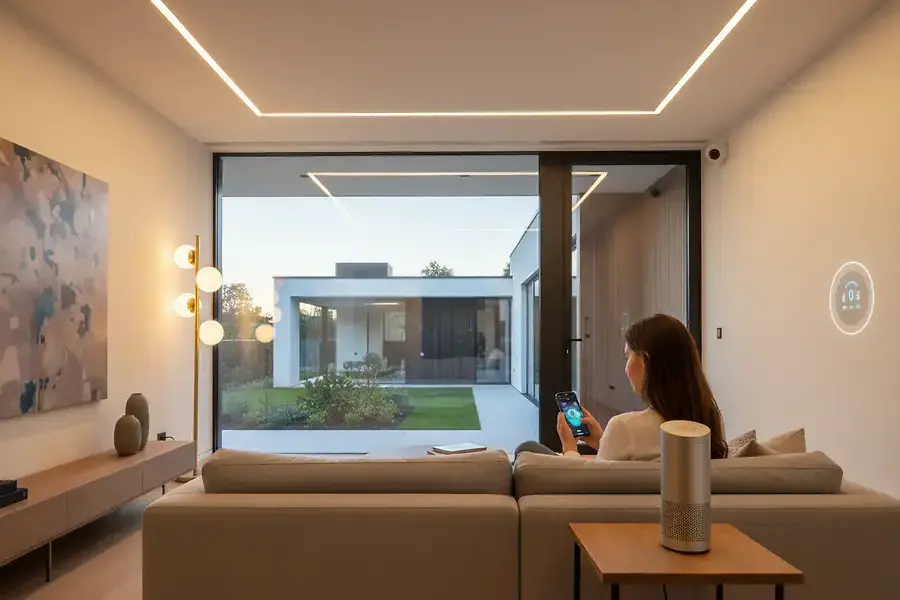
The Smart Home Advantage in Today's Real Estate Market
The real estate landscape has transformed dramatically over the past few years, with smart home technology no longer considered a luxury but rather an expected feature for many homebuyers. Properties equipped with intelligent systems command higher prices and sell faster than their non-smart counterparts. In today's competitive market, strategic smart home investments can be the difference between a quick sale at full asking price and a property that lingers on the market.
Modern buyers, particularly millennials and Gen Z homeowners, actively seek homes with integrated technology that enhances convenience, security, and energy efficiency. These aren't frivolous upgrades—they represent practical investments that reduce utility costs, improve safety, and streamline daily living. Understanding which upgrades deliver genuine value is crucial for homeowners looking to maximize their return on investment.
High-ROI Smart Home Upgrades Buyers Expect
Smart Security Systems
Security remains the top priority for homebuyers, and modern smart security systems deliver peace of mind with measurable benefits. Video doorbells, smart locks, and integrated alarm systems are among the most sought-after features. These systems allow homeowners to monitor their property remotely, receive real-time alerts, and control access from anywhere in the world.
Buyers appreciate the ability to:
- Monitor entrances with HD video footage
- Grant temporary access to service providers without physical keys
- Receive instant notifications of suspicious activity
- Integrate with professional monitoring services
Smart security systems typically offer a return on investment between 50-70%, making them one of the most cost-effective upgrades available.
Energy Management Systems
Environmental consciousness and rising utility costs have made energy-efficient smart home technology increasingly attractive. Smart thermostats, intelligent lighting systems, and energy monitoring devices appeal to budget-conscious buyers who want to reduce their monthly expenses.
Key features that resonate with buyers include:
- Programmable thermostats that learn user preferences and optimize heating/cooling
- Motion-sensor lighting that reduces electricity waste
- Real-time energy consumption monitoring
- Integration with renewable energy sources like solar panels
These upgrades can reduce energy bills by 10-15% annually, a tangible benefit that justifies the initial investment for potential buyers.
Smart Home Hubs and Voice Control
Centralized control systems that integrate multiple smart devices have become increasingly popular. Voice-activated assistants and smart home hubs provide convenient control over lighting, temperature, entertainment, and security from a single interface. Buyers appreciate the seamless integration and ease of use these systems offer.
The appeal lies in:
- Unified control of multiple devices through one platform
- Voice command convenience for hands-free operation
- Automation routines that simplify daily tasks
- Compatibility with popular ecosystems and third-party devices
Smart Kitchen and Appliances
The kitchen remains the heart of the home, and smart kitchen technology is increasingly expected in modern properties. Connected refrigerators, ovens, dishwashers, and coffee makers add convenience and appeal to tech-savvy buyers. While individual smart appliances may not dramatically increase resale value, a fully integrated smart kitchen creates a compelling selling point.
Installation Considerations and Compatibility
Planning Your Smart Home Ecosystem
Before investing in smart home upgrades, develop a comprehensive plan that considers your home's infrastructure and future scalability. Compatibility between devices is essential—buyers want systems that work seamlessly together, not fragmented solutions requiring multiple apps and interfaces.
Consider these factors:
- Choose devices that operate on the same platform or ecosystem
- Ensure adequate WiFi coverage throughout your home
- Plan for future expansion and upgrades
- Prioritize widely-adopted standards and popular brands
Professional Installation vs. DIY
While some smart home devices are simple to install, professional installation adds credibility and ensures proper functionality. Buyers are more confident in systems installed by certified technicians, and professional installation often comes with warranties and support guarantees.
For complex systems like integrated security, climate control, and home automation, professional installation is recommended. This investment demonstrates that the system has been properly configured and will function reliably for the new owners.
Documentation and User Manuals
When selling your home, provide comprehensive documentation for all smart home systems. Include user manuals, setup guides, and account information for each device or system. This transparency reassures buyers that they can easily manage and maintain the technology after purchase.
Future-Proofing Your Residential Investment
Smart home technology evolves rapidly, but certain investments remain relevant longer than others. Focus on foundational upgrades that address universal needs: security, energy efficiency, and convenience. These core features will remain valuable regardless of technological trends.
Smart home upgrades aren't just about adding gadgets—they're about creating a home that meets the expectations and lifestyle preferences of modern buyers.
Avoid overly specialized or niche technologies that appeal to only a small segment of buyers. Instead, prioritize mainstream solutions from established manufacturers with strong market presence and ongoing support.
The smart home market continues to mature, with increasing standardization and interoperability. By investing in quality, compatible systems from reputable brands, you're creating a home that will appeal to buyers for years to come. These upgrades represent more than just technological enhancements—they demonstrate that your home is modern, efficient, and ready for the future.
Whether you're planning to sell soon or simply want to enhance your living experience, strategic smart home investments deliver measurable returns while improving your daily quality of life. Start with high-ROI upgrades like security and energy management, ensure proper installation and compatibility, and you'll create a home that buyers actively seek out in today's competitive real estate market.


